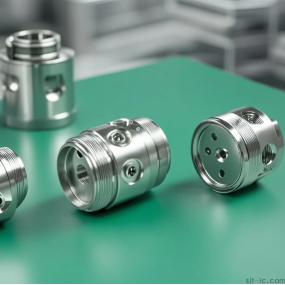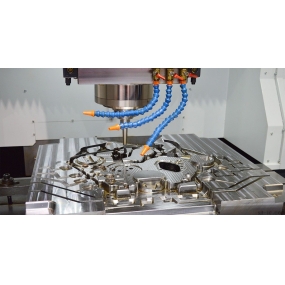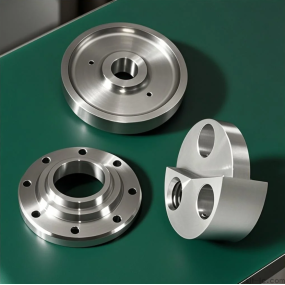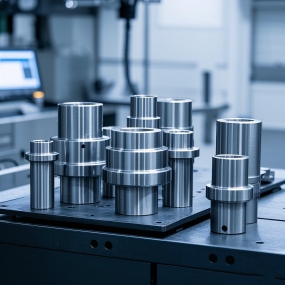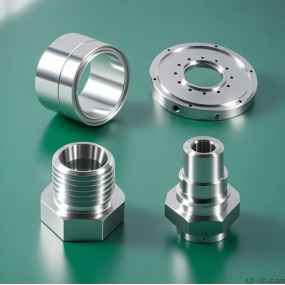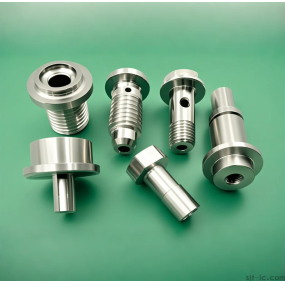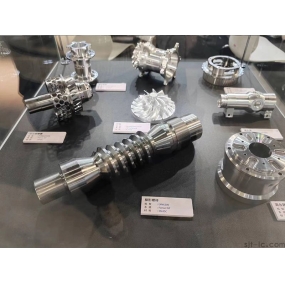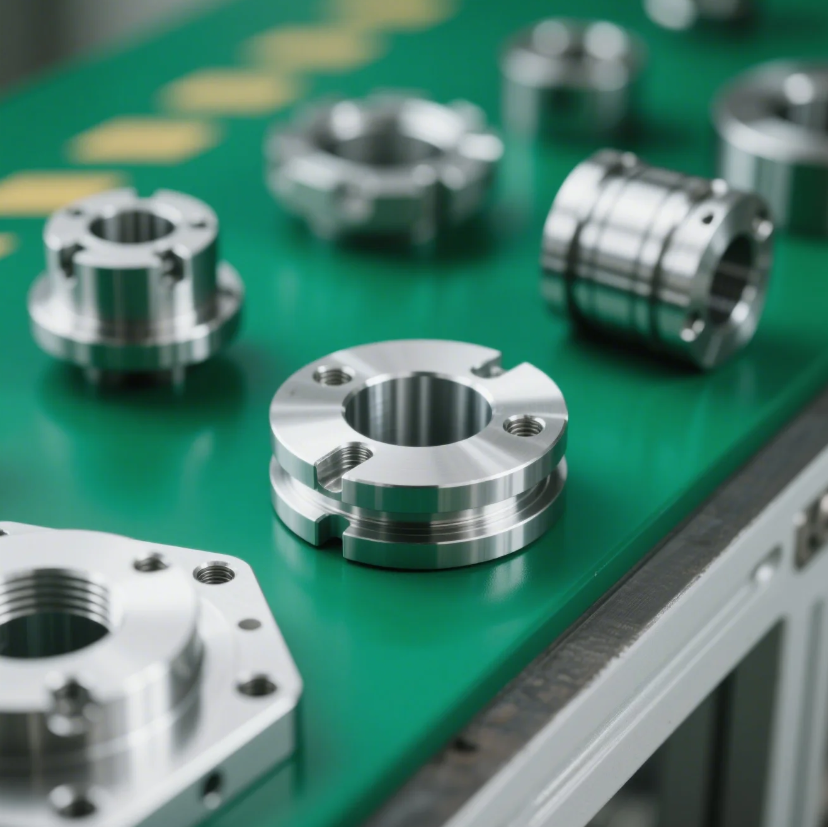
CNC Precision Parts Machining is one of the most important manufacturing methods for producing parts that require extremely high accuracy, stable performance, and repeatable quality. Industries such as aerospace, medical equipment, automotive, electronics, and industrial automation depend on CNC Machining because it can create complex components with very tight tolerances.
Many customers have concerns before choosing a CNC machining supplier. They want to know if the parts will meet exact specifications, whether the selected material is suitable, how to control production costs, and how manufacturers guarantee quality. A reliable CNC machining process solves these problems through advanced equipment, experienced engineers, proper material choices, optimized machining methods, and strict inspection systems.
Companies like EMAR provide professional CNC precision machining services by combining engineering experience, modern CNC equipment, and quality management systems to help customers produce reliable precision parts for different applications.
CNC machining uses computer-controlled machines to remove material from a workpiece according to digital design data. Unlike traditional manual machining, CNC equipment can follow programmed instructions with very high repeatability. This makes it possible to manufacture thousands of identical parts while maintaining consistent dimensions.
The main advantages of CNC precision machining include:
For precision parts, even a small dimensional error can affect assembly performance or product reliability. CNC machining helps manufacturers maintain accuracy from prototype production to large-volume manufacturing.
Material selection in CNC precision parts directly affects machining difficulty, surface quality, durability, and final product performance. Different materials have different hardness, strength, ductility, thermal expansion, and heat resistance characteristics. Choosing the correct material is one of the first steps toward successful precision machining.
Steel is widely used for CNC precision parts because it provides excellent strength, wear resistance, and durability. Common steel types include carbon steel, alloy steel, and stainless steel.
During machining, manufacturers often use carbide cutting tools and optimized cooling methods to reduce heat and extend tool life.
Aluminum is a popular CNC machining material because it is lightweight, easy to cut, and has good thermal conductivity.
Aluminum alloys are commonly used for aerospace parts, electronic housings, and lightweight mechanical components. However, aluminum has a higher thermal expansion rate than steel, so temperature control is important when tight tolerances are required.
Titanium offers excellent strength-to-weight ratio, corrosion resistance, and high-temperature performance. It is widely used in aerospace and medical applications.
When machining titanium, manufacturers need lower cutting speeds, proper cooling, and stable tool control to avoid excessive tool wear and surface damage.
Machining operations for CNC precision determine the final shape, surface finish, and dimensional accuracy of a part. Each operation requires suitable tools and optimized cutting parameters, including cutting speed, feed rate, and depth of cut.
CNC milling uses rotating cutting tools to remove material from a stationary workpiece. It is commonly used for creating slots, pockets, holes, and complex surfaces.
Recommended practices include:
For aluminum, higher cutting speeds can usually be applied. For harder materials such as titanium or hardened steel, lower speeds and smaller cutting depths are preferred.
CNC turning rotates the workpiece while a cutting tool removes material. It is ideal for cylindrical parts such as shafts, pins, and bushings.
Drilling creates accurate holes for assembly and connection purposes. Precision drilling requires correct tool selection and proper chip removal.
Grinding is used when extremely high surface accuracy and smooth finishes are required. It is often applied after milling or turning.
Handling challenges in CNC precision machining requires careful process control. Even with advanced CNC equipment, several factors can affect part accuracy.
Cutting operations generate heat, which can cause material expansion and dimensional changes. This is especially important for materials with high thermal expansion.
Solutions include:
Worn cutting tools can create inaccurate dimensions, poor surface finishes, and inconsistent results.
Manufacturers can reduce tool-related problems by:
Precision parts require continuous monitoring throughout production. In-process inspection helps identify problems before large quantities of defective parts are produced.
Good design plays an important role in successful CNC machining. A part that is difficult to machine may increase production time, cost, and the risk of errors.
Important design considerations include:
Early design reviews between engineers and CNC manufacturers can prevent machining problems and improve overall production efficiency.
Quality control in CNC precision parts ensures that manufactured components meet customer requirements and industry standards. Professional manufacturers use multiple inspection steps throughout the production process.
Before machining begins, engineers review CAD drawings, material requirements, tolerances, and machining feasibility. This step helps identify potential manufacturing risks.
During machining, technicians check critical dimensions and adjust processes when necessary. Advanced measuring equipment helps maintain consistency.
Finished parts may be tested using:
A strong quality control system gives customers confidence that every precision component will perform as expected.
Cost-effectiveness in CNC precision machining depends on several factors, including material price, production quantity, machining complexity, and tolerance requirements.
Ways to reduce machining costs while maintaining quality include:
Although precision machining may require advanced equipment and skilled operators, proper planning can significantly improve cost efficiency.
Selecting the right machining supplier is important for achieving consistent quality, reasonable cost, and reliable delivery. A professional manufacturer should have advanced CNC machines, experienced engineers, strict inspection procedures, and the ability to handle different materials and production requirements.
EMAR offers CNC precision parts machining solutions for customers requiring accurate, reliable, and customized components. With expertise in material selection, machining process optimization, and quality control, EMAR helps businesses transform complex designs into high-quality precision parts.
By combining suitable materials, optimized machining operations, careful design, and strict inspection, CNC Precision Parts Machining provides a dependable solution for industries that require high-performance components with excellent accuracy and repeatability.