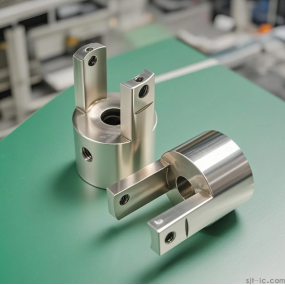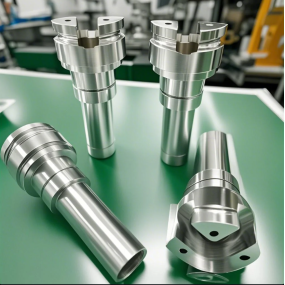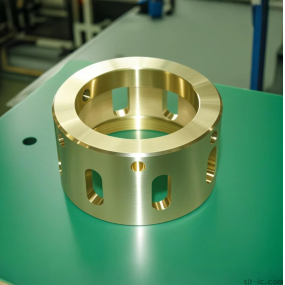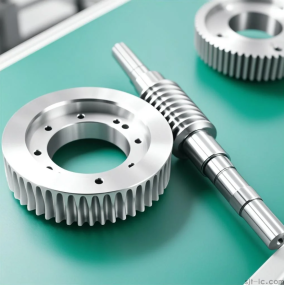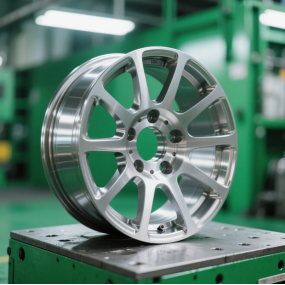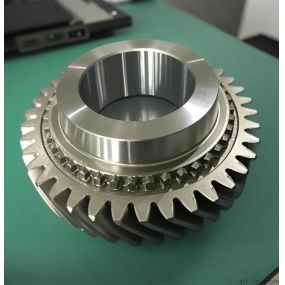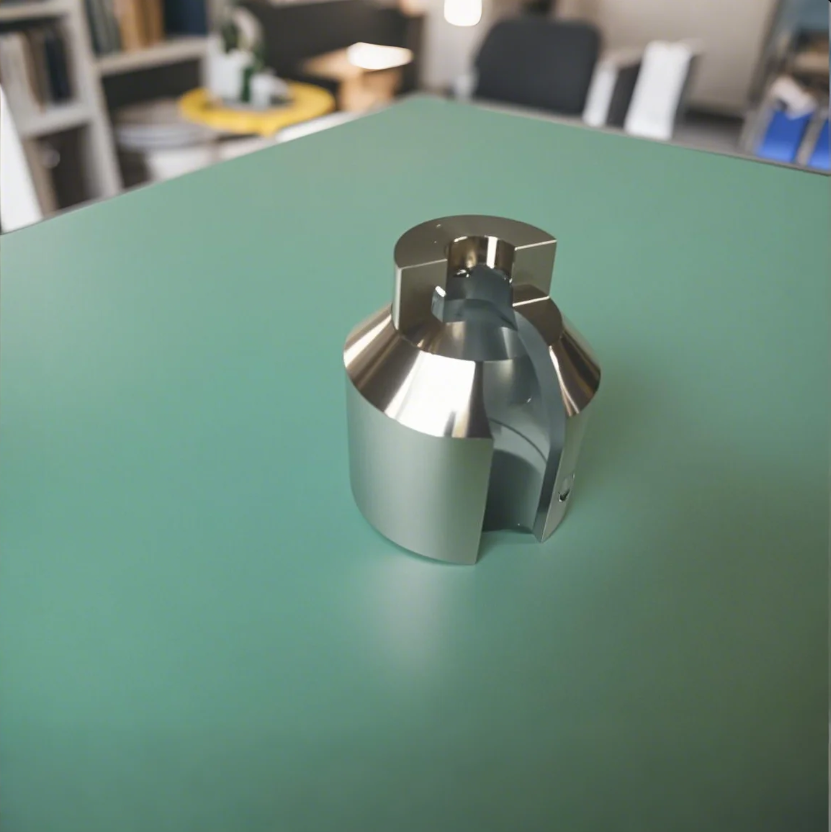
The communication industry is developing quickly. Technologies such as 5G, Wi-Fi, and Bluetooth require smaller, lighter, and more accurate components. Communication parts must support stable signal transmission, reliable connections, and long service life. For this reason, CNC Machining Communication Parts has become an important manufacturing solution for producing high-quality components used in antennas, connectors, housings, heat sinks, and other communication equipment.
Many manufacturers face challenges when producing communication parts. Common concerns include achieving tight tolerances, controlling miniature features, selecting suitable materials, and meeting electromagnetic compatibility (EMC) requirements. A professional CNC machining process can help solve these problems by providing high precision, repeatability, and flexible production capabilities.
Communication components often have complex structures and very strict dimensional requirements. Even a small manufacturing error can affect assembly accuracy or signal performance. CNC machining uses computer-controlled machines to produce parts according to precise digital designs, helping manufacturers achieve consistent quality.
The main advantages of CNC machining for communication parts include:
For companies looking for reliable manufacturing support, EMAR provides CNC machining services for communication parts with a focus on precision, efficiency, and customized production solutions.
Good design is the foundation of successful CNC machining. The design considerations for CNC-machined communication parts must balance performance, size, manufacturing difficulty, and cost.
The type of communication technology directly affects part design. Different applications have different requirements:
Manufacturers need to consider the operating frequency, installation environment, and connection method before creating the CNC machining design.
The communication industry continues to move toward smaller devices. Miniaturization creates challenges because parts need smaller features while maintaining strength and performance.
Engineers should consider:
A professional CNC machining partner can review designs early and suggest improvements that make small communication parts easier to manufacture.
The material selection for communication part CNC machining has a major impact on electrical performance, durability, and EMC behavior.
Common materials include:
Material selection should consider conductivity, EMC resistance, mechanical strength, weight, and environmental conditions. Choosing the correct material helps improve communication reliability and product lifespan.
Different machining processes are used depending on the part structure and required accuracy.
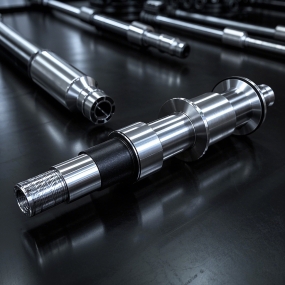
CNC turning is suitable for producing cylindrical communication components such as connectors, pins, and precision shafts. Proper cutting conditions help maintain surface quality and dimensional accuracy.
CNC milling is commonly used for communication housings, brackets, and complex components. It can create precise pockets, grooves, mounting holes, and curved surfaces.
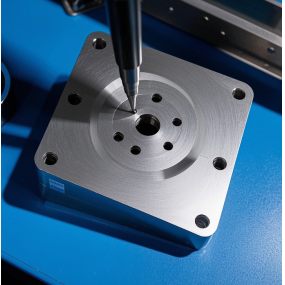
Drilling creates accurate holes for connectors, screws, and assembly features. High-quality tools are important when machining small holes because incorrect parameters may cause breakage or poor surface quality.
Micro-machining is used for very small communication components with tiny features. It requires advanced equipment, suitable cutting tools, and careful control of machining conditions.
The correct cutting parameters improve machining quality and tool life. Important factors include:
Experienced CNC manufacturers adjust these parameters according to the material, geometry, and production requirements of each communication part.
Handling burrs in communication part CNC machining is important because miniature parts often contain small edges and delicate features. Burrs can affect assembly accuracy, electrical contact, and product reliability.
Solutions include:
Communication parts often require tight tolerances. Small dimensional changes may create connection problems or reduce signal quality.
To maintain accuracy, manufacturers should control:
Electromagnetic compatibility is a key concern for communication products. Parts must reduce unwanted electromagnetic interference and support stable signal transmission.
Proper material selection, accurate machining, and surface treatments can improve EMC performance. CNC machining helps create precise structures that support effective shielding and reliable electrical connections.
The post-machining processes for CNC-machined communication parts can improve appearance, durability, and electrical performance.
Common processes include:
The correct post-processing method depends on the material, application environment, and performance requirements.
The quality control in CNC-machined communication parts process ensures every component meets design and performance requirements.
Important inspection methods include:
A reliable CNC machining supplier should have professional inspection equipment and strict quality management procedures. EMAR supports customers with customized CNC machining solutions, careful process control, and quality inspection for communication parts used in different industries.
Producing communication parts requires more than advanced CNC machines. A capable manufacturer should understand precision machining, material characteristics, EMC requirements, and industry trends.
When selecting a CNC machining partner, consider:
With professional CNC machining knowledge and customized manufacturing capabilities, EMAR helps customers develop reliable communication parts that meet modern technology demands.
CNC Machining Communication Parts plays an important role in producing accurate, reliable, and high-performance components for modern communication systems. By focusing on smart design, suitable materials, optimized machining processes, effective post-processing, and strict quality control, manufacturers can overcome challenges related to precision, miniaturization, and EMC performance.
As communication technology continues to advance, experienced CNC machining providers will remain essential partners in creating smaller, faster, and more reliable communication products.