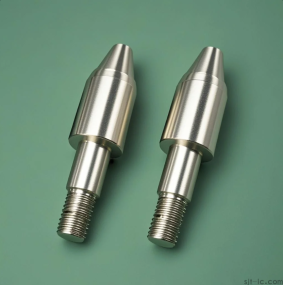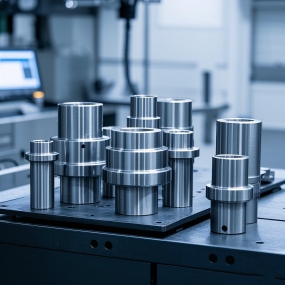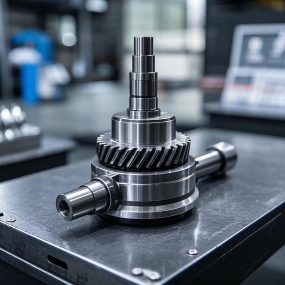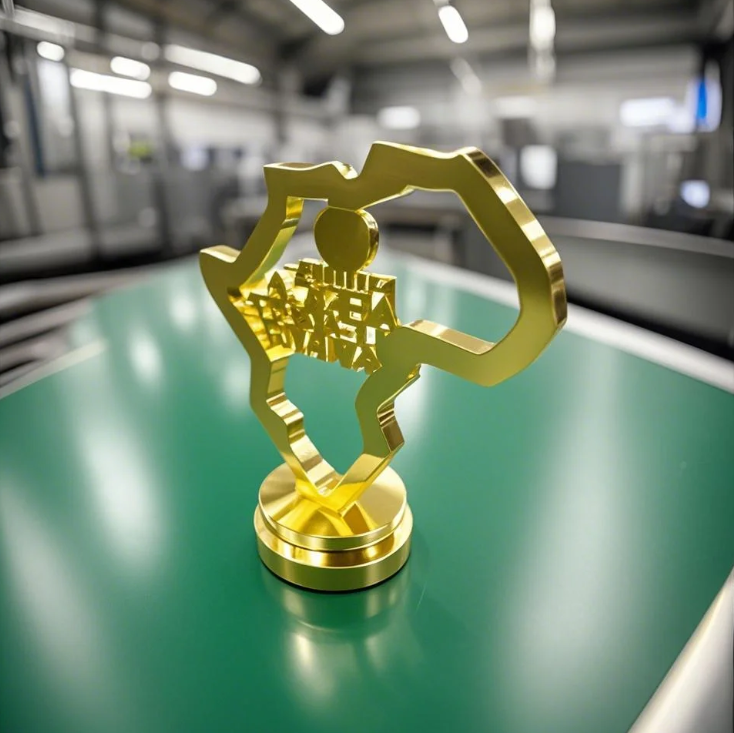
A logo is more than just a symbol. It represents a brand’s identity and often becomes the first thing customers notice. When companies need a logo with a premium look, strong durability, and accurate details, a CNC Machining Logo is an excellent choice. CNC machining can create detailed logos from metals, plastics, and wood with high precision and consistent quality.
Many businesses have concerns before choosing CNC machining for logos. They may worry about whether the logo will match the original design, whether the material will look professional, whether the production cost is reasonable, and whether the final logo will last in different environments. With the right design approach, material selection, machining process, and quality control, CNC-machined logos can provide a reliable solution for many industries.
CNC machining uses computer-controlled machines to remove material and create accurate shapes. Unlike manual methods, CNC technology follows digital design files, which helps produce logos with repeatable results.
The biggest advantage of CNC machining is precision. Complex logo patterns, small text, sharp edges, and smooth curves can be reproduced accurately. This makes CNC machining suitable for companies that need professional branding parts with a high-end appearance.
For businesses requiring reliable logo manufacturing, experienced CNC suppliers such as EMAR provide professional machining support, from design review and material selection to precision production and finishing.
Good design is the foundation of a successful CNC Machining Logo. A beautiful digital logo may not always work well during machining. The design needs to consider machining limitations and the final application.
The size of the logo affects machining difficulty. Very small logos may require tiny cutting tools, while extremely complex designs may increase machining time and cost.
When creating a CNC logo design, consider:
Thin lines can break easily during machining, especially in soft materials or small logos. Designers should use suitable line thickness to maintain strength and readability.
Smooth curves are also important. CNC machines can create accurate curved shapes, but the design should avoid unnecessary sharp corners that may require special tools or additional machining steps.
Negative space is the empty area around and inside logo elements. Proper spacing helps the logo remain clear after machining, engraving, or painting.
A professional CNC logo design should balance:
Following these design tips for CNC-machined logos can reduce production problems and improve the final appearance.
Choosing the right material is one of the most important steps in logo production. Different materials provide different appearances, durability levels, and costs.
Aluminum is one of the most popular materials for CNC logos. It is lightweight, corrosion-resistant, and easy to machine.
Brass provides a classic and premium appearance. Its golden color and excellent machinability make it suitable for decorative logos.
Stainless steel is ideal for logos exposed to harsh environments. It offers excellent strength and corrosion resistance.
Plastic materials are useful when lightweight designs and colorful appearances are needed.
Wood creates a natural and warm visual effect. CNC machining can engrave detailed patterns while keeping the unique texture of the material.
Understanding these material choices for logo CNC machining helps businesses select the best option based on appearance, environment, and budget.
Different machining methods are used depending on the logo design and material.
CNC milling uses rotating cutting tools to remove material and create raised or recessed logo features. It is suitable for metal logos that require high accuracy.
Engraving creates detailed lines, letters, and patterns on the surface. It is commonly used for serial numbers, brand marks, and decorative details.
CNC routing is often used for plastics and wood. It can quickly create large logos for signs, displays, and promotional products.
Proper machining parameters are necessary to protect tools and achieve clean results. Cutting speed, feed rate, and depth of cut should be adjusted according to the material and logo details.
Professional CNC machining suppliers carefully optimize these settings to improve surface quality and production efficiency.
Small logo details often require small cutting tools. These tools can break if machining conditions are not properly controlled.
Common solutions include:
Uneven engraving depth can make a logo look unprofessional. CNC machines use accurate programming and proper workpiece fixing methods to maintain consistent results.
Sharp logo edges require careful tool selection and machining control. Incorrect parameters may cause burrs, rough edges, or damaged details.
Experienced manufacturers use process testing and inspection methods to reduce these problems.
After machining, additional finishing processes can improve the appearance and performance of CNC logos.
The right finishing method depends on the material, application environment, and desired visual effect.
Quality inspection ensures that the final logo meets design requirements. Reliable CNC manufacturers use multiple inspection steps before delivery.
Strong quality control in CNC-machined logos helps ensure that every logo performs well and represents the brand professionally.
CNC logos are used in many industries because they combine durability, customization, and premium appearance.
These applications of CNC-machined logos show why CNC technology is widely used for both functional and decorative branding solutions.
A successful CNC Machining Logo project requires more than just machining equipment. A reliable supplier should understand design requirements, recommend suitable materials, control production quality, and provide finishing solutions.
EMAR supports customers with CNC machining experience, advanced equipment, and professional manufacturing processes for customized logos. From prototype development to larger production runs, expert machining support helps customers achieve accurate, attractive, and durable logo products.
By combining thoughtful design, suitable materials, optimized machining processes, and strict quality control, CNC-machined logos can deliver a professional branding solution for many products and industries.