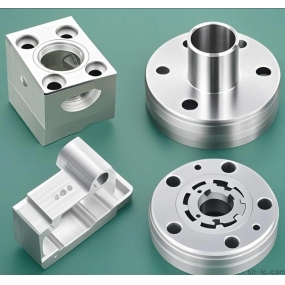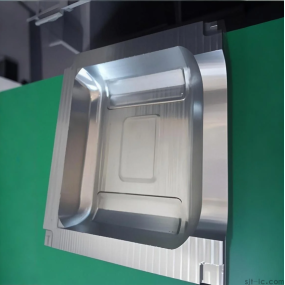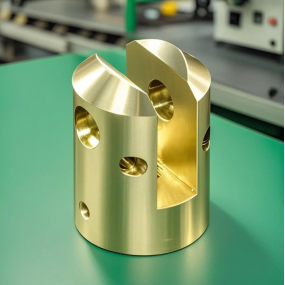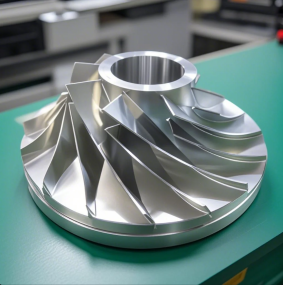
CNC Small Product Machining is widely used in modern manufacturing to produce tiny, detailed, and high-precision parts. These parts are often used in electronics, medical devices, automotive components, and consumer products. For many beginners and non-native English speakers, understanding how this process works and what affects the final quality can be confusing. This article explains everything in simple language and focuses on real problems users face in production.
CNC Small Product Machining refers to using computer-controlled machines to cut, shape, and finish small-sized parts from metal, plastic, or other materials. Unlike large industrial parts, small components require extremely fine accuracy and stable processing conditions.
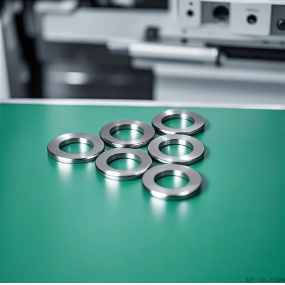
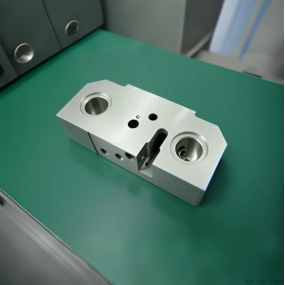
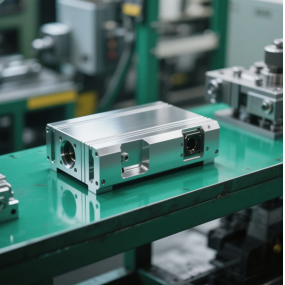
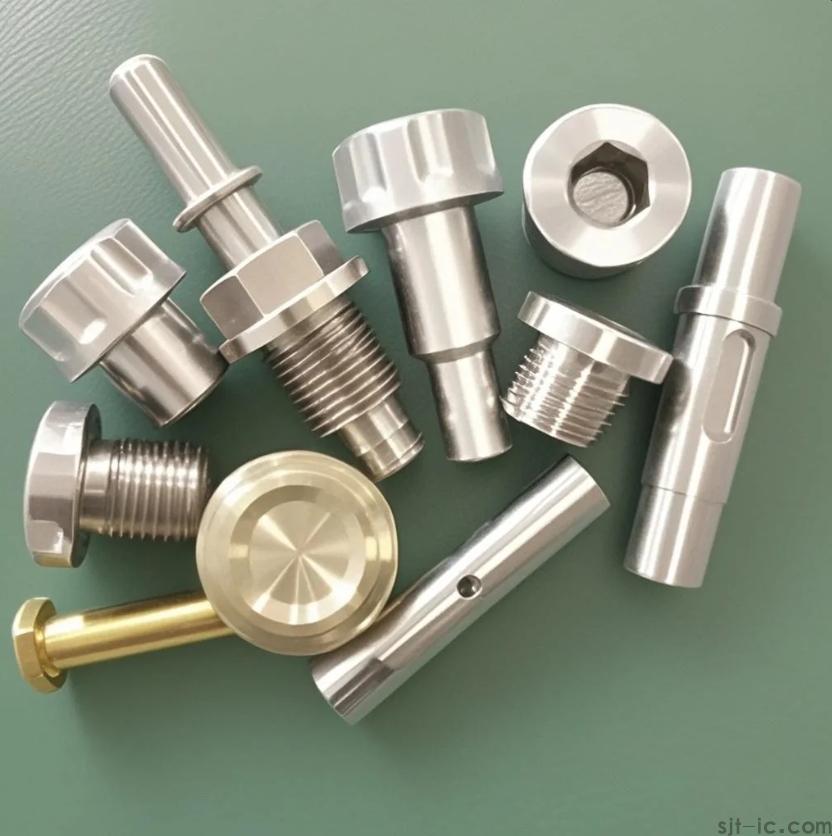
These products often include micro gears, connectors, precision housings, screws, and sensor parts. Even a tiny error can affect the performance of the final product, which is why precision is very important in this field.
Many manufacturers choose CNC technology because it offers stability and repeatability. When producing small parts in large quantities, manual machining cannot maintain the same level of consistency.
The advantages of CNC for small product manufacturing include high accuracy, fast production speed, and the ability to handle complex shapes. Once the design is programmed, the machine can repeat the same process without variation.
Understanding the steps in CNC machining of small products helps users better control cost and quality. The process is usually straightforward but requires careful planning.
One of the most important challenges is maintaining tight tolerances. The precision requirements in CNC small product machining are often within micrometers.
Even small variations in temperature, tool wear, or machine vibration can affect results. For industries like medical or electronics, this level of precision is critical because parts must fit perfectly into larger assemblies.
To achieve high precision, manufacturers must use stable machines, high-quality cutting tools, and controlled workshop environments.
The tooling for CNC small product machining plays a major role in determining product quality. Small tools are required to create fine details and tight corners.
Common tooling types include micro end mills, drill bits, and precision cutters. These tools must be sharp and durable because even slight wear can cause dimensional errors.
Proper tool selection reduces production defects and improves surface finish quality.
Strong quality control in CNC small product machining is necessary to ensure every part meets design requirements. Because parts are small, inspection must be highly precise and often requires advanced measuring equipment.
Quality control usually includes dimensional checks, surface inspection, and functional testing. Many factories also use automated inspection systems to improve efficiency.
Although CNC technology is advanced, small product machining still faces several challenges. One of the main issues is tool breakage due to small tool size. Another challenge is heat control during high-speed cutting, which can affect material stability.
In addition, maintaining consistent quality in mass production requires strict monitoring of machine conditions and regular maintenance.
In real manufacturing environments, experience and process control matter as much as machines. EMAR has built strong expertise in CNC Small Product Machining, focusing on precision, stability, and efficient mass production.
By combining advanced CNC equipment with strict process management, EMAR helps customers reduce defect rates and improve product consistency. The company also supports customized solutions for industries that require high accuracy, such as electronics, automation, and medical devices.
Instead of offering only machining services, EMAR focuses on full-process support, including design optimization, tooling selection, and quality inspection. This helps customers solve real production problems, not just manufacture parts.
CNC Small Product Machining is a critical technology for modern precision manufacturing. It allows companies to produce small, complex parts with high accuracy and repeatability. However, success depends on many factors such as process control, tooling selection, and quality inspection.
By understanding the steps in CNC machining of small products, recognizing the advantages of CNC for small product manufacturing, and paying attention to precision requirements in CNC small product machining, manufacturers can significantly improve product quality and efficiency.
With professional support from experienced providers like EMAR, businesses can achieve more stable production and better long-term results in CNC small product manufacturing.