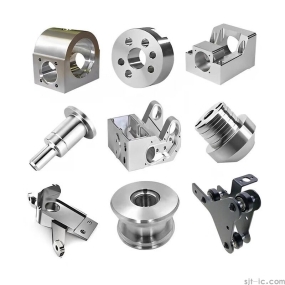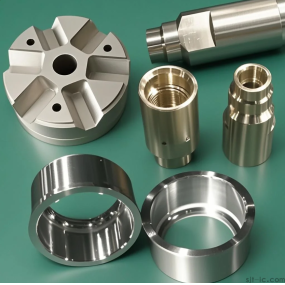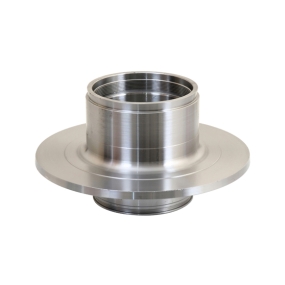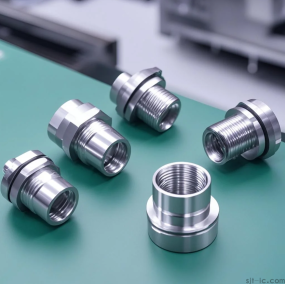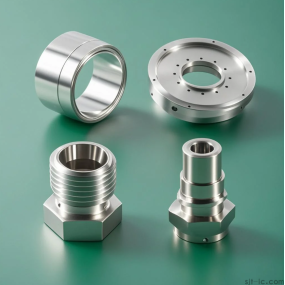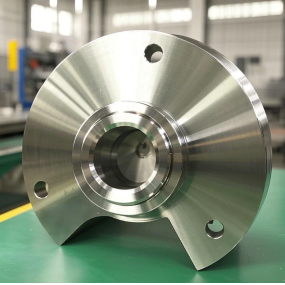

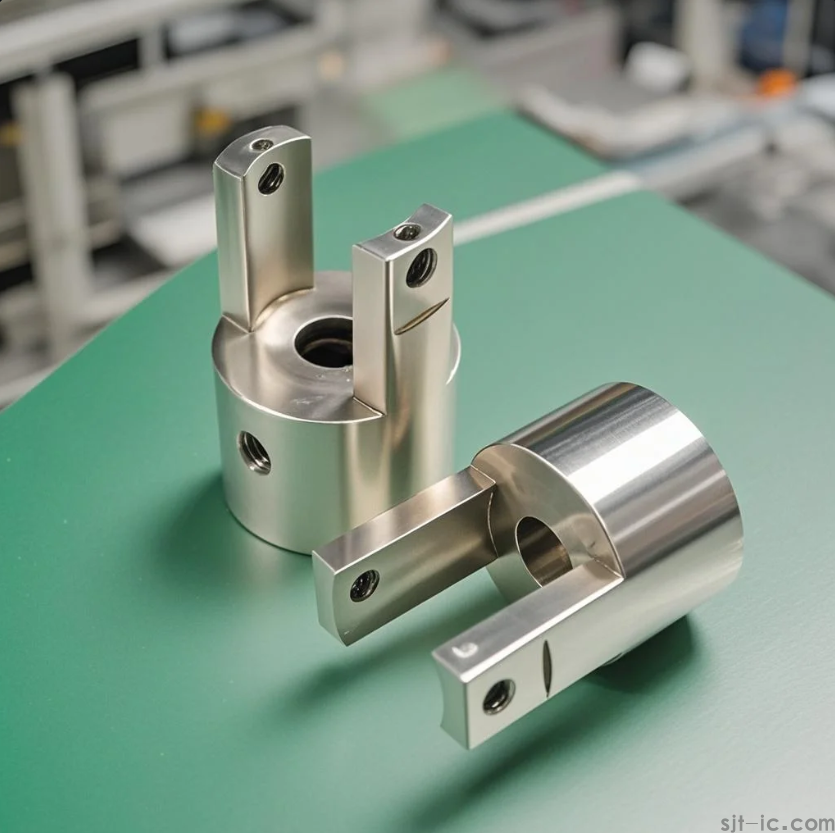
Many industries need parts that cannot be found in standard catalogs. These parts may have unique shapes, special functions, or strict performance requirements. CNC Machining of Non-Standard Parts provides an effective solution for creating these customized components with high accuracy and reliable quality.
Unlike standard parts that follow fixed designs, non-standard parts are made for specific applications. They are widely used in automation equipment, medical devices, aerospace systems, energy equipment, and industrial machinery. The main challenges are usually clear design communication, choosing the right materials, controlling machining accuracy, and keeping production costs reasonable.
CNC machining helps solve these problems because modern CNC machines can produce complex customized parts with flexible programming, precise control, and efficient small-batch production. Companies such as EMAR use advanced CNC machining technology and manufacturing experience to support customers from early design review to final part delivery.
Non-standard parts often require special dimensions, unusual structures, or unique functional features. Traditional manufacturing methods may require expensive molds or special equipment, making them unsuitable for low-volume customized production.
CNC machining is a better choice because it offers three important advantages:
For customers who need customized parts but do not want the high cost of traditional tooling, CNC machining provides a practical manufacturing method.
The design stage is the foundation of successful non-standard part production. Before machining begins, engineers must clearly understand what the part needs to do and what conditions it will face.
When designing non-standard parts for CNC machining, important requirements include:
A detailed technical drawing or 3D CAD model helps manufacturers understand the exact requirements. Early communication between customers and CNC engineers can prevent design problems and reduce production delays.
Choosing the correct material is a key step in manufacturing customized parts. The wrong material can cause part failure, increased costs, or machining difficulties.
Material selection for non-standard CNC-machined parts should consider several factors:
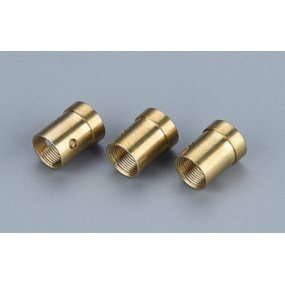
Common CNC machining materials include aluminum alloys for lightweight structures, stainless steel for corrosion resistance, carbon steel for strength, brass for good machinability, and engineering plastics for special applications.
Experienced CNC manufacturers like EMAR can help customers balance performance requirements and manufacturing costs when selecting materials for customized parts.
After design and material selection are confirmed, manufacturers choose suitable machining operations based on the part structure.
CNC turning is mainly used for round or cylindrical components. A rotating workpiece is cut by a tool to create accurate external and internal features such as shafts, holes, and threads.
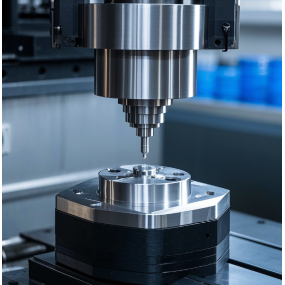
CNC milling is widely used for complex surfaces, slots, pockets, and irregular shapes. Multi-axis milling machines can create complicated designs that are difficult to produce with traditional methods.
CNC drilling creates precise holes with controlled positions and sizes. For non-standard parts, accurate hole locations are important for assembly and performance.
Some customized parts may require additional processes such as tapping, grinding, EDM machining, or multi-axis machining to achieve special shapes and tight tolerances.
During machining, engineers select suitable cutting tools and optimize cutting parameters, including:
The correct combination of tools and cutting parameters helps maintain accuracy while improving production efficiency.
One major challenge in customized manufacturing is creating parts with complicated shapes. Without standard templates, engineers must carefully plan every machining step.
Handling complex geometries in non-standard part CNC machining requires:
Careful planning reduces machining errors and helps achieve the required dimensions even for highly customized designs.
Because non-standard parts do not follow common templates, maintaining dimensional accuracy requires strict process control.
Manufacturers need to manage several challenges:
EMAR applies professional CNC machining processes and inspection methods to help customers receive reliable non-standard parts that meet technical requirements.
After CNC machining, additional treatments may be needed to improve the part's performance, appearance, or service life.
The correct post-machining process depends on the working environment and the final application of the part.
Quality control is especially important for customized parts because every project may have different requirements.
Quality control in non-standard part CNC manufacturing includes:
Prototyping in non-standard part CNC production allows engineers and customers to identify possible improvements before investing in larger quantities. This reduces risks and improves final product reliability.
CNC Machining of Non-Standard Parts gives manufacturers and product developers the flexibility needed for customized solutions. From design analysis and material selection to precision machining and quality inspection, every step affects the final result.
By choosing the right machining partner, customers can reduce production risks, improve part performance, and achieve cost-effective manufacturing. With experience in customized CNC solutions, EMAR supports businesses that need accurate, durable, and reliable non-standard parts for different industries.