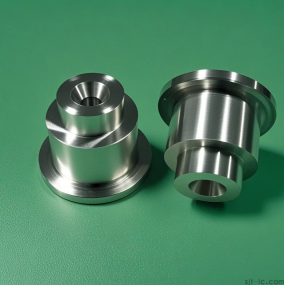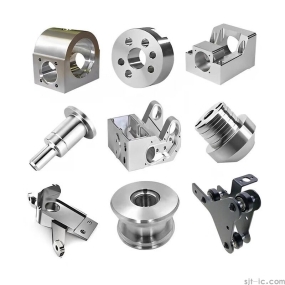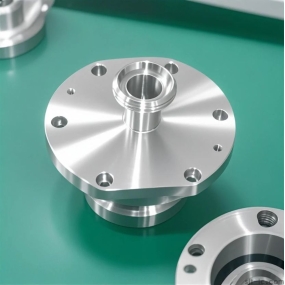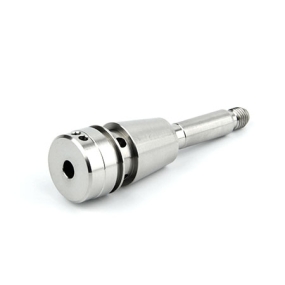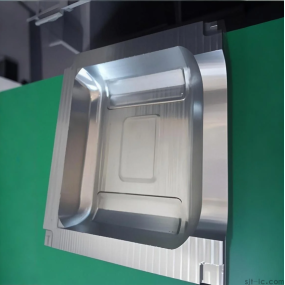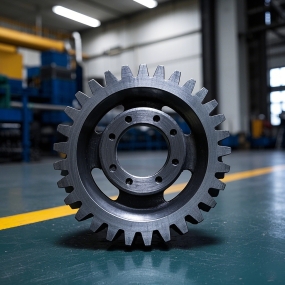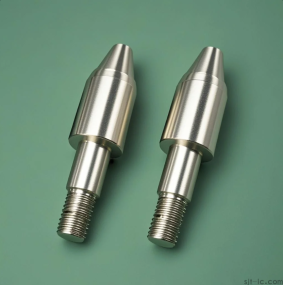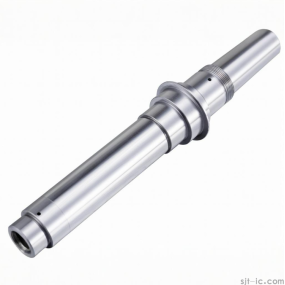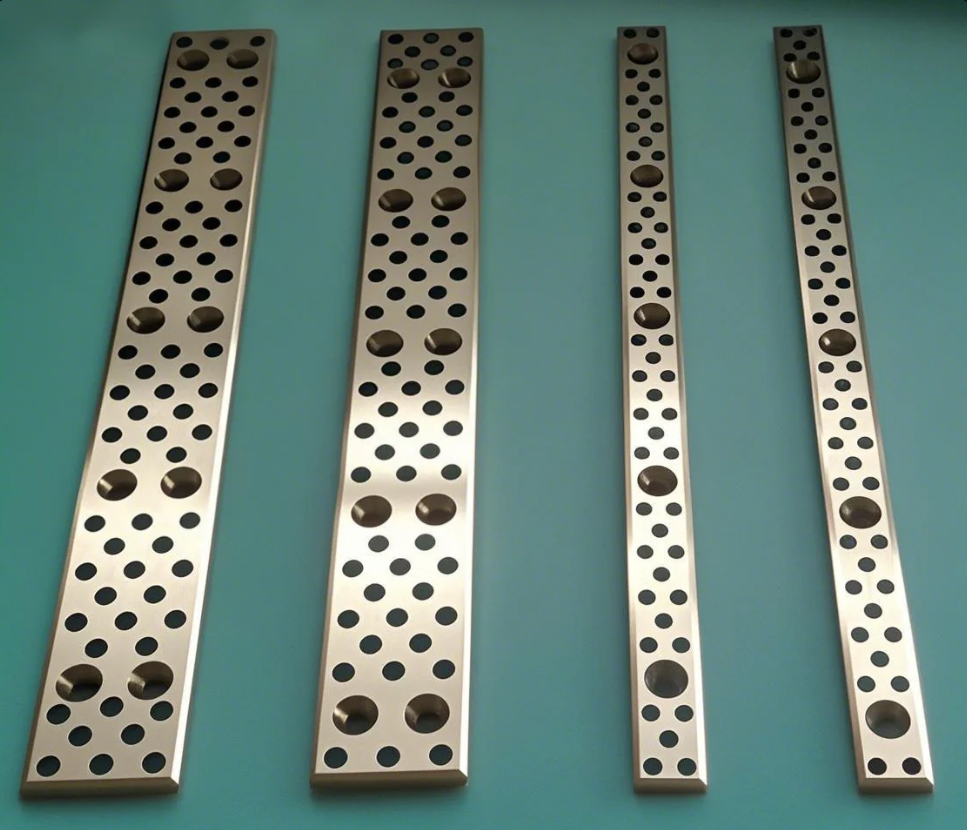
CNC Machining Copper Bars is a widely used manufacturing process for producing accurate and reliable copper components for electrical, industrial, plumbing, and decorative applications. Copper bars are popular because they combine excellent electrical conductivity, high thermal conductivity, good corrosion resistance in many environments, and strong malleability. However, machining copper is not always simple. Its soft nature can create challenges such as burr formation, tool wear, heat deformation, and difficulty in maintaining tight tolerances.
For companies that need high-quality copper parts, understanding copper properties, machining methods, and quality control steps is essential. With professional CNC machining experience, EMAR helps customers produce precision copper bar components while balancing accuracy, production efficiency, and cost control.
Copper bars are selected for many CNC machining projects because of their unique combination of physical and electrical properties. They are especially valuable in industries where reliable performance and long service life are required.
These advantages make copper bars a preferred material for industries such as electronics, automotive, renewable energy, industrial equipment, plumbing, and custom decorative products.
Good design is the first step toward successful copper machining. Because copper is softer than many engineering metals, designers must consider how the material behaves during cutting. Poor design choices can increase machining time, cause surface damage, and raise production costs.
For example, copper bars used in electrical systems require precise dimensions and clean contact surfaces, while copper plumbing fixtures may require stronger corrosion resistance and attractive finishes. Understanding the final application helps determine the best machining approach.
Choosing the correct copper alloy is an important part of copper alloy selection for bar machining. Pure copper provides the highest conductivity, but some applications require improved strength, machinability, or wear resistance.
The best material choice depends on several factors, including conductivity requirements, mechanical strength, production volume, machining difficulty, and budget. Selecting the right alloy can reduce machining costs while improving final product performance.
CNC machines can perform different operations on copper bars to create precise shapes and features. Each process requires suitable tools and cutting conditions because copper behaves differently from harder metals.
CNC turning is commonly used to create round copper components, shafts, rings, and cylindrical fittings. Sharp cutting tools and proper chip control are important because copper can create long, sticky chips.
Milling is used for creating slots, holes, pockets, and complex shapes in copper bars. Proper tool selection helps prevent material buildup on the cutting edge.
Drilling copper requires attention to chip removal because soft copper chips can clog the hole and damage the surface.
Cutting operations separate copper bars into required lengths or prepare raw materials before further machining. Proper cutting tools help reduce burrs and material waste.
In general, copper machining uses relatively high cutting speeds compared with many steels, but the exact speed, feed rate, and depth of cut depend on the alloy, machine condition, tool material, and required surface finish.
Although copper is easy to shape, its softness creates several machining problems. Understanding these issues helps manufacturers improve accuracy and reduce production costs.
Burr formation is one of the most common problems when machining copper. Because copper is ductile, cutting edges may push and stretch the material instead of producing a clean cut.
Copper transfers heat quickly, but improper machining conditions can still create local temperature increases. Heat may cause dimensional changes and affect precision.
Copper chips can become long and tangled, creating safety risks and affecting machining stability. Proper tool design and cutting parameters help produce manageable chips.
After machining, additional treatments may improve appearance, performance, and service life. The correct finishing method depends on the final application.
Polishing improves the visual appearance of copper parts and creates smoother surfaces. For electrical applications, a cleaner surface can also support better contact performance.
Post-machining for CNC-machined copper bars may include protective treatments that reduce oxidation and improve corrosion resistance. These processes help maintain copper appearance and performance during long-term use.
Reliable copper machining requires strict inspection procedures. Small dimensional errors can affect electrical connections, mechanical assembly, or product appearance.
Professional CNC manufacturers use inspection systems throughout production, not only after completion. This approach reduces defects and improves reliability for both prototypes and large-volume orders.
Producing accurate copper components requires more than just a CNC machine. It requires knowledge of copper behavior, suitable tooling, optimized cutting parameters, and careful inspection.
EMAR provides CNC machining solutions for copper bars with experience in precision manufacturing, material selection, machining optimization, and quality management. By combining advanced equipment with engineering support, EMAR helps customers create copper components that meet performance requirements while controlling manufacturing costs.
Whether the application involves electrical parts, industrial components, plumbing products, or decorative copper designs, a well-planned CNC machining process can deliver high accuracy, excellent surface quality, and consistent results.