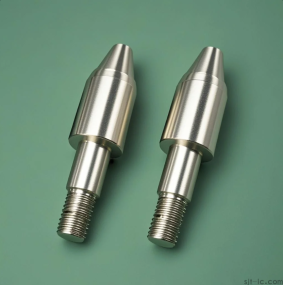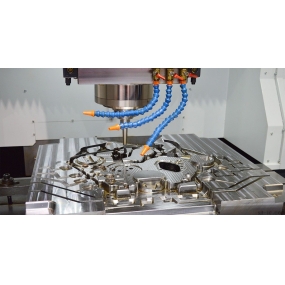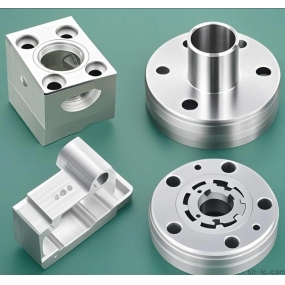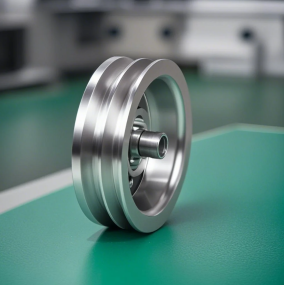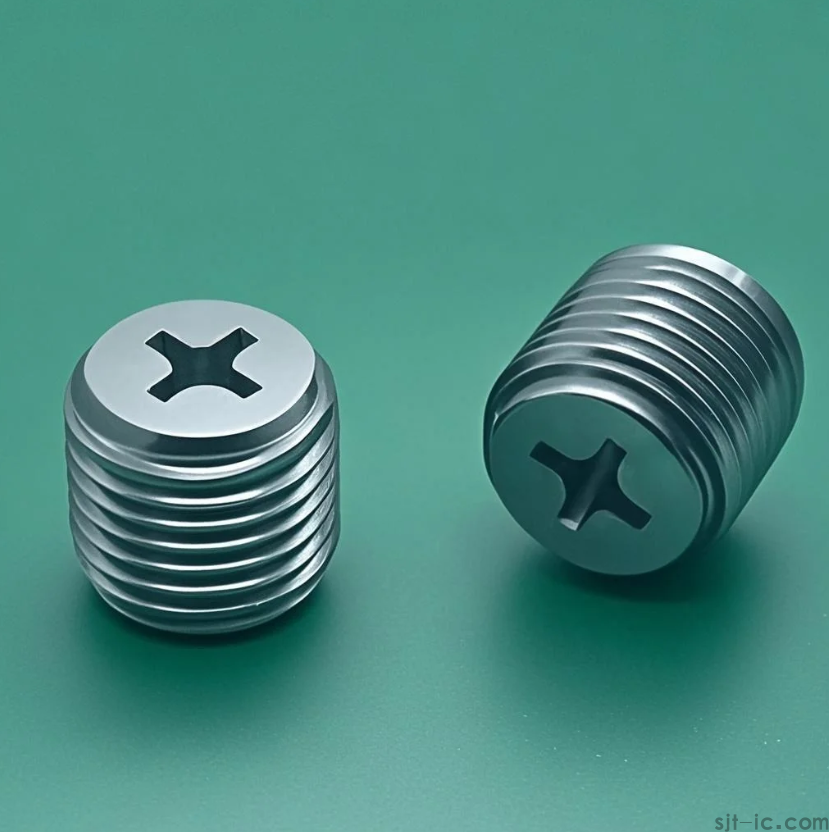
Standard screws cannot always meet every engineering requirement. Many industries need screws with special thread designs, unusual head shapes, unique lengths, or specific performance features. In these cases, CNC Machining of Non-Standard Screws provides a reliable solution for creating custom fasteners with high precision and consistent quality.
However, customers often have concerns before starting a custom screw project. They may worry about high costs, long production times, poor thread accuracy, or inconsistent quality between batches. With advanced CNC technology, professional process planning, and strict quality control, these challenges can be effectively managed.
CNC machining is an ideal manufacturing method for non-standard screws because it offers excellent flexibility and accuracy. Unlike traditional production methods that depend on fixed tooling, CNC machines can quickly adjust programs to produce different screw designs.
For custom screws, engineers can use CNC machining to create:
This flexibility makes CNC machining suitable for industries such as automotive, aerospace, medical equipment, electronics, automation, and industrial machinery. Small-batch production and prototype manufacturing also become more practical because CNC machines can produce customized parts without requiring expensive dedicated molds.
The design phase is one of the most important steps in custom screw manufacturing. Clear communication between the customer and manufacturer helps prevent design errors, unnecessary costs, and production delays.
When preparing a non-standard screw design, customers should provide detailed information about the intended application. Important factors include:
Good design considerations for CNC-machined non-standard screws help manufacturers select suitable machining methods, tools, and materials from the beginning. Experienced CNC manufacturers can also review designs and suggest improvements to make production more efficient and cost-effective.
The choice of material directly affects screw performance, durability, and manufacturing cost. Different applications require different material properties, so selecting the correct material is essential.
Common materials used for CNC-machined non-standard screws include:
Proper material selection for non-standard screw CNC machining should consider corrosion resistance, mechanical strength, operating conditions, and total project cost. A professional CNC supplier can help balance performance requirements with budget limitations.
Producing custom screws requires several machining processes. Each operation must be carefully controlled to achieve accurate dimensions and reliable performance.
CNC turning is usually the first step in screw manufacturing. The raw material is rotated while cutting tools remove material to create the basic screw shape, including the shaft diameter and overall length.
Proper cutting parameters are important during turning. Manufacturers need to control:
Thread machining is one of the most critical steps because thread accuracy directly affects assembly performance. CNC machines can create internal and external threads with different profiles, pitches, and tolerances.
Maintaining thread accuracy in non-standard screw machining requires careful tool selection, stable machine operation, and regular inspection. Thread cutting tools must be sharp and suitable for the selected material. Incorrect cutting parameters may cause damaged threads, rough surfaces, or incorrect thread dimensions.
Custom screw heads often require special machining operations. CNC machines can produce unique head designs, drive systems, and functional features according to customer drawings.
Manufacturers must prevent material deformation during head machining by using proper clamping methods, suitable cutting forces, and optimized machining sequences.
Custom screw production requires careful process control to maintain reliable results. Several common challenges need professional solutions.
After machining, additional treatments may be required to improve screw performance, appearance, and service life.
Important post-machining processes for CNC-machined non-standard screws include:
The correct post-processing method depends on the working environment and performance requirements of the screw.
Strict inspection is necessary to ensure every batch of custom screws meets customer requirements. Reliable manufacturers use multiple inspection methods throughout production.
Key quality control steps include:
Strong quality control in CNC non-standard screw manufacturing helps customers receive stable products that perform reliably in real applications.
Selecting an experienced CNC machining supplier can make a significant difference in project success. A capable manufacturer should provide support from design review and material selection to machining, finishing, and inspection.
EMAR has experience in precision CNC machining and custom screw production, helping customers develop non-standard screws for different industrial applications. With advanced equipment, skilled engineers, and strict quality management, EMAR focuses on delivering accurate, reliable, and cost-effective CNC-machined screw solutions.
CNC machining offers an efficient and flexible way to manufacture non-standard screws with unique designs and demanding performance requirements. By focusing on proper design planning, suitable material selection, accurate machining processes, and strict quality control, manufacturers can produce custom screws that meet complex application needs.
For businesses looking for reliable custom fasteners, CNC Machining of Non-Standard Screws provides the precision, flexibility, and consistency needed for modern manufacturing.