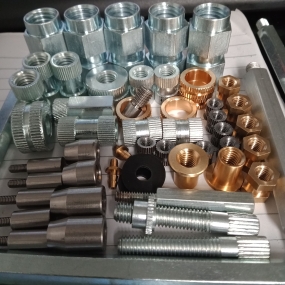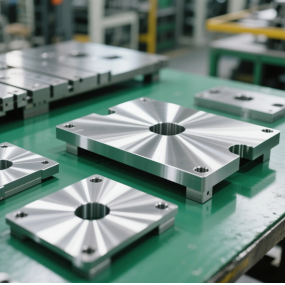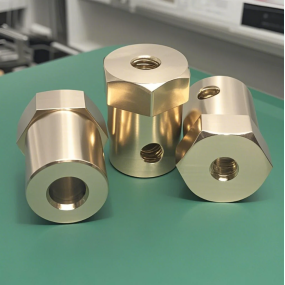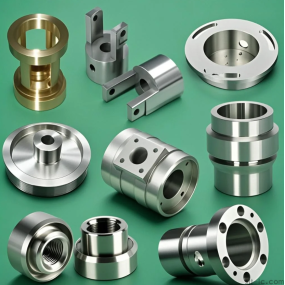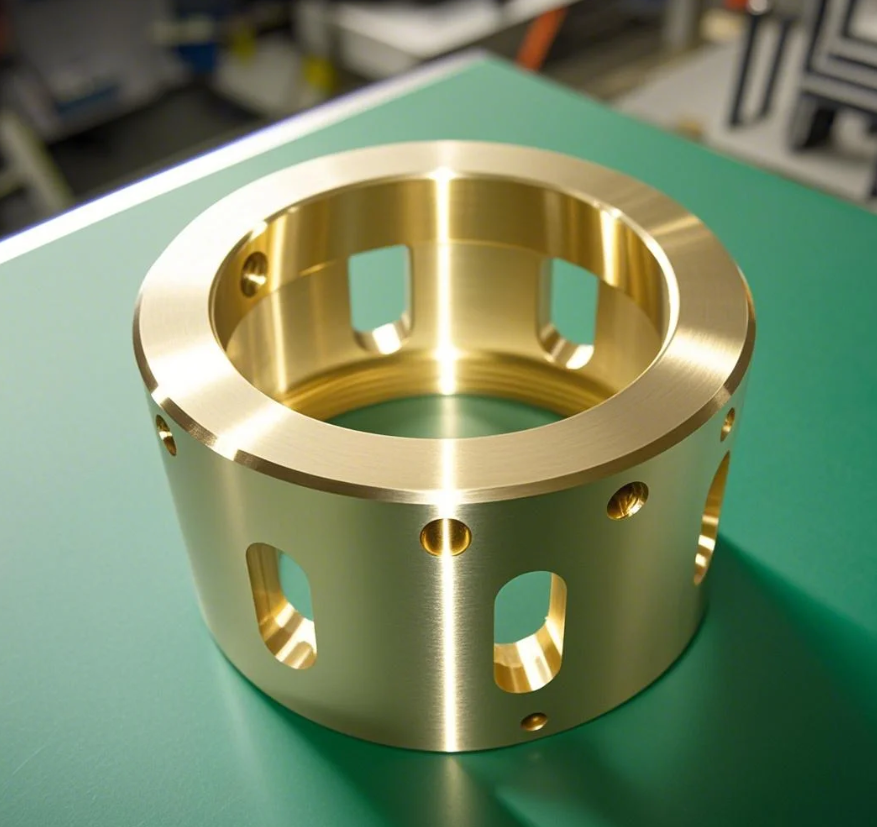
CNC Copper Processing is a reliable manufacturing method for producing high-precision copper parts used in electrical systems, industrial equipment, plumbing products, and decorative applications. Copper is widely chosen because it combines excellent electrical conductivity, strong thermal performance, good corrosion resistance, and easy forming characteristics.
However, machining copper is not always simple. Its softness, high ductility, and ability to transfer heat quickly can create challenges such as burr formation, tool wear, chip control problems, and dimensional changes during machining. Understanding the right materials, machining methods, tooling choices, and quality controls helps manufacturers achieve accurate and cost-effective copper components.
Copper has been used in manufacturing for many years because of its unique combination of physical properties. When processed with CNC machines, copper can be shaped into complex parts while maintaining excellent performance.
Because of these advantages, CNC copper parts are commonly found in aerospace, electronics, automotive, medical equipment, energy systems, and precision industrial products.
Good design is important before starting CNC copper machining. Copper behaves differently from harder metals because it is softer and more flexible. Proper design reduces machining difficulties and improves product quality.
When reviewing the design considerations for CNC copper processing, engineers should focus on several important factors:
The final application also affects design choices. Electrical components need excellent conductivity and precise dimensions. Plumbing fixtures require corrosion resistance and durability. Decorative copper products may prioritize surface quality and visual appearance.
Pure copper provides excellent conductivity, but different applications often require improved strength, machinability, or wear resistance. This is why choosing the correct material is an important part of copper alloy selection for CNC.
The best copper alloy depends on the product requirements. For electrical parts, conductivity is usually the priority. For mechanical parts, strength and wear resistance may be more important. For outdoor or marine applications, corrosion resistance should be considered.
Copper can be processed using many CNC machining methods. The correct operation depends on the part shape, tolerance requirements, and production volume.
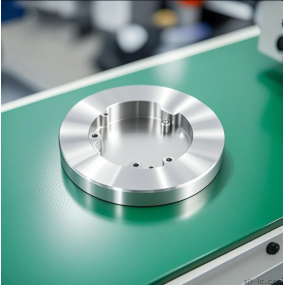
CNC turning is used to create round copper components such as shafts, connectors, rings, and fittings. The workpiece rotates while a cutting tool removes material.
Recommended tools: Sharp carbide inserts or high-quality diamond-coated tools are commonly used because they reduce friction and improve surface quality.
Typical cutting parameters:
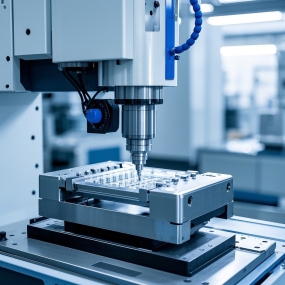
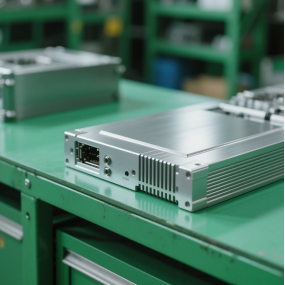
CNC milling creates complex copper shapes, slots, pockets, and precision surfaces. It is widely used for electronic housings and custom copper components.
Recommended tools: Sharp-edged carbide end mills with proper chip clearance help prevent material sticking to the tool.
Typical cutting parameters:
Drilling is used for holes in electrical parts, connectors, and mechanical assemblies. Copper's softness requires careful drilling methods to avoid rough holes and burrs.
Recommended tools: Sharp twist drills with polished surfaces and suitable point angles are preferred.
Typical cutting parameters:
CNC cutting processes remove copper sheets or plates into required shapes. Proper tool selection helps reduce deformation and edge damage.
Using sharp tools, stable work holding, and optimized cutting paths helps maintain accurate dimensions.
Because copper is soft and flexible, it can create burrs during cutting. These unwanted edges may affect assembly, electrical performance, and product appearance.
Effective methods for handling burrs in CNC copper machining include:
Copper transfers heat quickly, but excessive heat during machining can still affect accuracy. Thin parts may expand or change shape.
Solutions include:
Copper chips can become long and difficult to manage, which may damage surfaces or interrupt automatic machining.
Manufacturers can improve chip control by:
After machining, copper parts may require additional treatments to improve appearance, performance, and service life. Proper post-machining in CNC copper processing helps achieve the required final quality.
The correct finishing method depends on the final use of the component. Electrical parts may need clean conductive surfaces, while decorative products may require a high-gloss finish.
Reliable quality inspection is essential for copper components, especially when they are used in precision electrical or industrial systems. Strong quality control in CNC copper processing ensures that parts meet design requirements.
Common inspection methods include:
Successful copper machining requires experience with material behavior, tooling selection, machining parameters, and inspection methods. A professional manufacturer can help reduce production risks and improve part consistency.
EMAR provides CNC machining solutions with experience in processing copper materials for different industries. By combining suitable machining equipment, experienced engineers, and strict inspection procedures, EMAR supports customers in producing accurate copper components for electrical, industrial, and custom applications.
Whether the project requires complex copper prototypes, precision production parts, or customized components, selecting the right CNC partner can help achieve better quality, shorter production cycles, and improved cost efficiency.