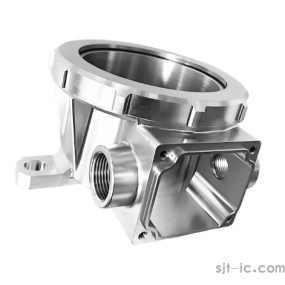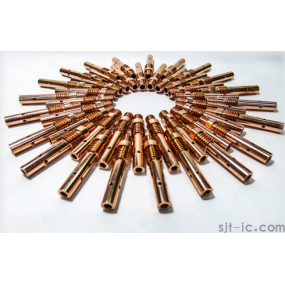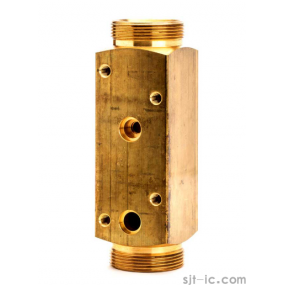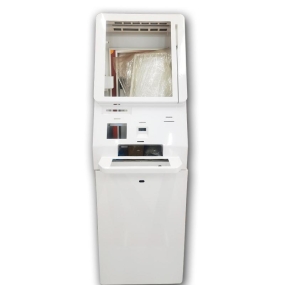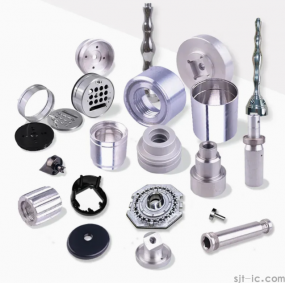

Aluminum enclosures are widely used in electronics, industrial equipment, communication devices, and consumer products because they are lightweight, strong, and have excellent thermal conductivity. However, manufacturers and product designers often face challenges when producing aluminum enclosures, such as achieving accurate dimensions, improving heat dissipation, protecting internal components, and creating an attractive surface finish.
CNC Aluminum Enclosure Processing provides an effective solution for these challenges. With advanced CNC Machining technology, manufacturers can create complex aluminum enclosure designs with high precision, smooth surfaces, and consistent quality. Companies with professional machining experience, such as EMAR, help customers produce reliable aluminum enclosures that meet different application requirements.
Why CNC Processing Is Ideal for Aluminum Enclosures
Aluminum is a popular material for enclosures because it offers a good balance of strength, weight, corrosion resistance, and heat transfer ability. However, producing an aluminum enclosure requires accurate machining because even small dimensional errors can affect component installation and product performance.
CNC machining is well suited for aluminum enclosure production because it can precisely control cutting movements and create complex shapes. This is important for applications where electronic components, connectors, cooling structures, and mounting holes must fit perfectly.
- High dimensional accuracy: CNC machines can achieve tight tolerances, ensuring that circuit boards, displays, connectors, and other parts fit correctly.
- Complex geometry capability: CNC milling can create internal pockets, thin walls, cooling fins, and customized structures.
- Consistent production quality: CNC programs allow repeated production of identical enclosures with stable quality.
- Better surface appearance: Precision machining creates smooth surfaces suitable for anodizing and decorative finishing.
Design Considerations for CNC-Processed Aluminum Enclosures
Good enclosure design directly affects machining efficiency, product performance, and final cost. The design considerations for CNC-processed aluminum enclosures should include the application environment, internal components, heat requirements, and appearance expectations.
Application Requirements and Structure Design
The first step is understanding how the enclosure will be used. Different applications require different designs:
- Electronic products: The enclosure should provide accurate component mounting spaces, connector openings, and electromagnetic protection when needed.
- Industrial equipment: The design may require stronger walls, impact resistance, and protection against harsh environments.
- Consumer products: The enclosure usually needs a lightweight structure, attractive appearance, and comfortable surface feel.
Designers should consider wall thickness, corner radius, screw locations, and internal support structures. Proper design reduces machining difficulty and prevents problems such as deformation during processing.
Heat Dissipation Design
Many electronic devices generate heat during operation. Aluminum is an excellent heat conductor, making it a suitable material for cooling-sensitive applications.
During CNC aluminum enclosure design, engineers may add features such as:
- Cooling fins to increase surface area.
- Ventilation openings for improved airflow.
- Direct contact areas between heat-generating components and the aluminum body.
- Optimized wall thickness for better thermal performance.
Proper heat dissipation design helps extend component life and improves product reliability.
Environmental Protection and Appearance
Aluminum enclosures may need protection from dust, moisture, chemicals, or outdoor conditions. Designers should consider sealing structures, gasket areas, and protective coatings.
Appearance is also important, especially for consumer products. CNC machining can create clean edges, precise details, and smooth surfaces that support high-quality finishing processes such as anodizing.
Aluminum Alloy Selection for Enclosure Processing
The choice of aluminum alloy has a major impact on machining performance, strength, durability, and cost. Proper aluminum alloy selection for enclosure processing helps achieve the right balance between product requirements and manufacturing efficiency.
- 6061 aluminum: A common choice for CNC enclosures because it provides good strength, corrosion resistance, and easy machining performance.
- 6063 aluminum: Suitable for applications requiring good surface quality and moderate strength.
- 7075 aluminum: Offers higher strength but usually has higher material costs and more challenging machining requirements.
- 5052 aluminum: Provides excellent corrosion resistance and is often used where environmental protection is important.
For most electronic and industrial enclosures, 6061 aluminum is widely used because it provides a practical combination of performance, machining efficiency, and cost control.
Main CNC Machining Operations for Aluminum Enclosures
CNC aluminum enclosure production usually involves several machining operations. Each operation requires suitable tools and cutting parameters to achieve accuracy and surface quality.
Cutting and Milling
CNC milling is one of the most important processes for aluminum enclosures. It creates the outer shape, internal cavities, grooves, pockets, and cooling structures.
For aluminum machining, carbide cutting tools are commonly used because they provide good wear resistance and maintain sharp cutting edges. Proper cutting parameters are important:
- High spindle speed: Aluminum can be machined at high speeds because it is relatively soft compared with steel.
- Suitable feed rate: The feed rate should be adjusted to prevent excessive tool pressure and poor surface quality.
- Controlled depth of cut: Proper cutting depth improves efficiency while reducing vibration and deformation.
Drilling and Tapping
Accurate holes are essential for mounting circuit boards, screws, connectors, and other components. CNC drilling ensures correct hole positions and sizes.
Tapping operations create internal threads for assembly. Proper tool selection and lubrication help prevent broken taps and improve thread quality.
Common Challenges in CNC Aluminum Enclosure Processing
Handling Burrs in Aluminum Enclosure CNC Processing
Aluminum is relatively soft, which can cause burr formation during cutting and drilling. Excessive burrs may affect assembly accuracy and product appearance.
Handling burrs in aluminum enclosure CNC processing requires proper machining strategies, including:
- Using sharp cutting tools to reduce material tearing.
- Optimizing cutting speed and feed rate.
- Applying deburring tools or manual finishing after machining.
- Inspecting edges before surface treatment.
Maintaining Accurate Hole Positioning
Incorrect hole locations can prevent components from being installed correctly. CNC programming, accurate workholding, and proper inspection methods help maintain precise hole positions.
Achieving Smooth Surface Finish
A high-quality surface finish improves both appearance and product performance. Tool selection, machining parameters, and finishing methods all influence surface quality.
Fine milling operations can create smooth surfaces that are suitable for anodizing, painting, or other decorative treatments.
Post-Machining Processes for CNC-Processed Aluminum Enclosures
After machining, additional treatments can improve durability, appearance, and performance. The right post-machining processes for CNC-processed aluminum enclosures depend on the product environment and customer requirements.
- Anodizing: Improves corrosion resistance, increases surface hardness, and provides attractive color options.
- Heat treatment: Enhances mechanical properties for applications requiring higher strength.
- Sandblasting: Creates a uniform matte surface texture.
- Laser marking: Adds product information, logos, or identification codes.
These processes help transform a machined aluminum enclosure into a finished product suitable for commercial and industrial use.
Quality Control in CNC-Processed Aluminum Enclosures
Reliable quality control is essential because aluminum enclosures often contain precision components that require accurate fitting. Quality control in CNC-processed aluminum enclosures includes multiple inspection steps throughout production.
- Dimensional inspection: Measuring critical dimensions, hole positions, and tolerances using precision inspection equipment.
- Surface roughness testing: Checking whether the machined surface meets appearance and functional requirements.
- Assembly testing: Confirming that internal components fit correctly.
- Heat dissipation testing: Evaluating thermal performance for electronic applications.
- Final appearance inspection: Checking finishing quality, scratches, and surface defects.
Professional CNC machining suppliers use systematic quality management processes to ensure each enclosure meets customer specifications.
Choosing the Right CNC Aluminum Enclosure Processing Partner
Successful aluminum enclosure manufacturing requires more than machining equipment. It requires experience in material selection, design optimization, machining technology, and quality control.
EMAR provides CNC machining solutions for aluminum enclosures, supporting customers from design analysis to precision production and finishing. With experience in CNC milling, drilling, surface treatment coordination, and inspection processes, EMAR helps customers develop aluminum enclosures that achieve reliable performance, accurate assembly, and attractive appearance.
Conclusion
CNC Aluminum Enclosure Processing is an effective manufacturing method for producing high-quality aluminum housings used in electronics, industrial equipment, and consumer products. Its ability to achieve precise dimensions, complex structures, and excellent surface finishes makes it a preferred choice for modern enclosure production.
By focusing on proper design, suitable aluminum alloy selection, optimized machining parameters, effective burr control, and strict quality inspection, manufacturers can create enclosures that provide strong protection, efficient heat management, and long-lasting performance.