Spanish
 Arabic
 French
 Portuguese
 Belarusian
 Japanese
 Russian
 Malay
Malay Icelandic
 Bulgarian
 Azerbaijani
 Estonian
 Irish
Irish Polish
 Persian
 Boolean
 Danish
 German
 Filipino
 Finnish
 Korean
 Dutch
Dutch Galician
 Catalan
 Czech
Czech Croatian
 Latin
Latin Latvian
 Romanian
 Maltese
 Macedonian
 Norwegian
 Swedish
 Serbian
 Slovak
 Slovenian
 Swahili
 Thai
Thai Turkish
 Welsh
Welsh Urdu
Urdu Ukrainian
 Greek
Greek Hungarian
 Italian
 Yiddish
 Indonesian
 Vietnamese
 Haitian Creole
 Spanish Basque

HTML
What Products Can CNC Machine Process?
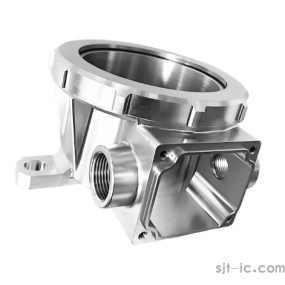
Many people ask “What Products Can CNC Machine Process?” when they first explore CNC manufacturing. The simple answer is: CNC machines can process a very wide range of products with high precision, repeatability, and efficiency. From small electronic parts to large industrial components, CNC technology plays a key role in modern manufacturing.
Understanding CNC Product Capabilities in Simple Terms
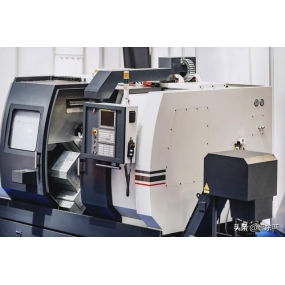
CNC (Computer Numerical Control) machines use programmed instructions to cut, shape, and finish materials such as metal, plastic, and composite materials. This allows manufacturers to create complex parts that are difficult or impossible to make manually.
When we talk about common product categories processed by CNC machines, we usually refer to mechanical parts, structural components, and customized industrial products that require accuracy and consistency.
Common Product Types CNC Machines Can Process
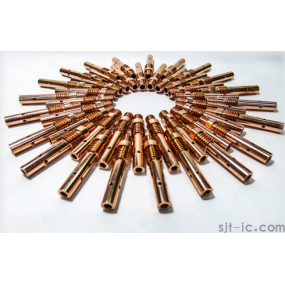
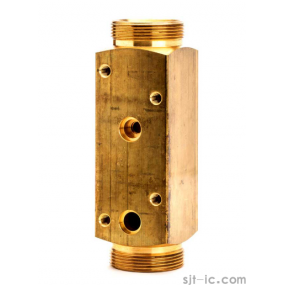
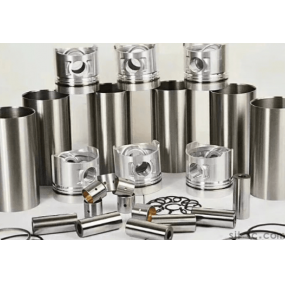
CNC Machining is widely used because it supports many different materials and product shapes. Below are the most common product types:
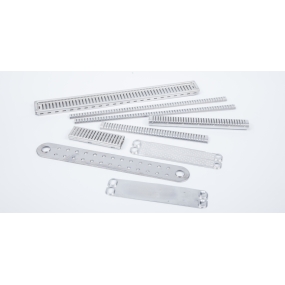
- Mechanical parts: gears, shafts, bearings, and connectors used in machines
- Automotive components: engine parts, brake system parts, and transmission elements
- Aerospace parts: turbine components, structural brackets, and housings
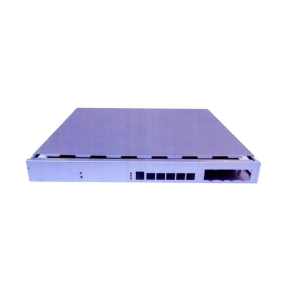
- Electronic parts: heat sinks, enclosures, and precision connectors
- Medical components: surgical instruments, implant parts, and device housings
- Industrial equipment parts: pump components, valve bodies, and machine frames
These examples show how CNC machining supports both simple and highly complex product manufacturing needs.
Industries That Depend on CNC-Processed Products
The demand for CNC machining is growing because many industries rely on high-precision parts. In fact, several global sectors cannot operate efficiently without CNC technology.
The following are key industries relying on CNC - processed products:
- Automotive industry: for durable and high-performance engine and chassis parts
- Aerospace industry: for lightweight and strong structural components
- Medical industry: for safe and accurate surgical and diagnostic tools
- Electronics industry: for compact and precise device components
- Industrial automation: for machine parts and robotic systems
Precision Requirements for CNC-Processed Products
Different products require different levels of precision. CNC machining is known for its ability to achieve extremely tight tolerances, often within microns.
The precision requirements for CNC - processed products depend on the application:
- High precision (±0.005 mm): used in aerospace and medical components
- Medium precision (±0.01–0.02 mm): used in automotive and electronics parts
- Standard precision (±0.05 mm or more): used in general industrial components
Good CNC manufacturers always combine advanced machines with strict quality control systems to ensure every product meets its required specification.
Advantages of Using CNC for Different Product Types
One of the main reasons CNC machining is widely used is its flexibility. The advantages of using CNC for different product types are clear in real production environments:
- High accuracy: ensures every part matches the design perfectly
- Repeatability: produces identical parts in large quantities
- Material flexibility: works with aluminum, steel, copper, plastic, and more
- Complex geometry: supports intricate shapes and detailed designs
- Faster production: reduces manual labor and improves efficiency
These advantages help companies reduce costs while improving product quality.
Specialty Products CNC Machines Can Manufacture
Beyond standard parts, CNC machines can also produce highly customized and specialty products. These include:
- Custom prototypes for product development
- Precision molds and tooling systems
- High-performance mechanical assemblies
- Miniature components for advanced electronics
- Non-standard parts designed for unique engineering needs
These specialty products CNC machines can manufacture are often critical for innovation in new industries and technologies.
Why Quality CNC Manufacturing Matters
Not all CNC machining services are the same. High-quality production requires advanced equipment, experienced engineers, and strict inspection systems. Poor machining can lead to product failure, wasted materials, and higher costs.
This is why choosing a reliable partner is important for long-term success in manufacturing projects.
EMAR CNC Machining Capabilities
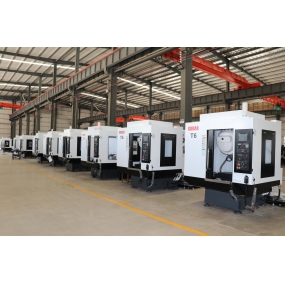
EMAR is a professional CNC machining service provider focused on delivering high-quality precision parts for global industries. With advanced CNC equipment and strict quality control processes, EMAR supports a wide range of product manufacturing needs—from simple components to complex custom designs.
Whether you need prototypes, small batches, or large-scale production, EMAR offers reliable solutions tailored to your technical and industry requirements. The company focuses on accuracy, consistency, and fast delivery to help customers improve their production efficiency and product performance.
Conclusion
So, What Products Can CNC Machine Process? The answer is almost unlimited when it comes to modern manufacturing needs. From automotive and aerospace parts to medical and electronic components, CNC technology supports a wide range of industries and applications.
By understanding product categories, precision levels, and industry requirements, businesses can better choose the right CNC solutions. With experienced providers like EMAR, companies can achieve high-quality results and stable production performance.
HTML
What Products Can CNC Machine Process?
Many people ask “What Products Can CNC Machine Process?” when they first explore CNC manufacturing. The simple answer is: CNC machines can process a very wide range of products with high precision, repeatability, and efficiency. From small electronic parts to large industrial components, CNC technology plays a key role in modern manufacturing.
Understanding CNC Product Capabilities in Simple Terms
CNC (Computer Numerical Control) machines use programmed instructions to cut, shape, and finish materials such as metal, plastic, and composite materials. This allows manufacturers to create complex parts that are difficult or impossible to make manually.
When we talk about common product categories processed by CNC machines, we usually refer to mechanical parts, structural components, and customized industrial products that require accuracy and consistency.
Common Product Types CNC Machines Can Process
CNC machining is widely used because it supports many different materials and product shapes. Below are the most common product types:
- Mechanical parts: gears, shafts, bearings, and connectors used in machines
- Automotive components: engine parts, brake system parts, and transmission elements
- Aerospace parts: turbine components, structural brackets, and housings
- Electronic parts: heat sinks, enclosures, and precision connectors
- Medical components: surgical instruments, implant parts, and device housings
- Industrial equipment parts: pump components, valve bodies, and machine frames
These examples show how CNC machining supports both simple and highly complex product manufacturing needs.
Industries That Depend on CNC-Processed Products
The demand for CNC machining is growing because many industries rely on high-precision parts. In fact, several global sectors cannot operate efficiently without CNC technology.
The following are key industries relying on CNC - processed products:
- Automotive industry: for durable and high-performance engine and chassis parts
- Aerospace industry: for lightweight and strong structural components
- Medical industry: for safe and accurate surgical and diagnostic tools
- Electronics industry: for compact and precise device components
- Industrial automation: for machine parts and robotic systems
Precision Requirements for CNC-Processed Products
Different products require different levels of precision. CNC machining is known for its ability to achieve extremely tight tolerances, often within microns.
The precision requirements for CNC - processed products depend on the application:
- High precision (±0.005 mm): used in aerospace and medical components
- Medium precision (±0.01–0.02 mm): used in automotive and electronics parts
- Standard precision (±0.05 mm or more): used in general industrial components
Good CNC manufacturers always combine advanced machines with strict quality control systems to ensure every product meets its required specification.
Advantages of Using CNC for Different Product Types
One of the main reasons CNC machining is widely used is its flexibility. The advantages of using CNC for different product types are clear in real production environments:
- High accuracy: ensures every part matches the design perfectly
- Repeatability: produces identical parts in large quantities
- Material flexibility: works with aluminum, steel, copper, plastic, and more
- Complex geometry: supports intricate shapes and detailed designs
- Faster production: reduces manual labor and improves efficiency
These advantages help companies reduce costs while improving product quality.
Specialty Products CNC Machines Can Manufacture
Beyond standard parts, CNC machines can also produce highly customized and specialty products. These include:
- Custom prototypes for product development
- Precision molds and tooling systems
- High-performance mechanical assemblies
- Miniature components for advanced electronics
- Non-standard parts designed for unique engineering needs
These specialty products CNC machines can manufacture are often critical for innovation in new industries and technologies.
Why Quality CNC Manufacturing Matters
Not all CNC machining services are the same. High-quality production requires advanced equipment, experienced engineers, and strict inspection systems. Poor machining can lead to product failure, wasted materials, and higher costs.
This is why choosing a reliable partner is important for long-term success in manufacturing projects.
EMAR CNC Machining Capabilities
EMAR is a professional CNC machining service provider focused on delivering high-quality precision parts for global industries. With advanced CNC equipment and strict quality control processes, EMAR supports a wide range of product manufacturing needs—from simple components to complex custom designs.
Whether you need prototypes, small batches, or large-scale production, EMAR offers reliable solutions tailored to your technical and industry requirements. The company focuses on accuracy, consistency, and fast delivery to help customers improve their production efficiency and product performance.
Conclusion
So, What Products Can CNC Machine Process? The answer is almost unlimited when it comes to modern manufacturing needs. From automotive and aerospace parts to medical and electronic components, CNC technology supports a wide range of industries and applications.
By understanding product categories, precision levels, and industry requirements, businesses can better choose the right CNC solutions. With experienced providers like EMAR, companies can achieve high-quality results and stable production performance.