Spanish
 Arabic
 French
 Portuguese
 Belarusian
 Japanese
 Russian
 Malay
Malay Icelandic
 Bulgarian
 Azerbaijani
 Estonian
 Irish
Irish Polish
 Persian
 Boolean
 Danish
 German
 Filipino
 Finnish
 Korean
 Dutch
Dutch Galician
 Catalan
 Czech
Czech Croatian
 Latin
Latin Latvian
 Romanian
 Maltese
 Macedonian
 Norwegian
 Swedish
 Serbian
 Slovak
 Slovenian
 Swahili
 Thai
Thai Turkish
 Welsh
Welsh Urdu
Urdu Ukrainian
 Greek
Greek Hungarian
 Italian
 Yiddish
 Indonesian
 Vietnamese
 Haitian Creole
 Spanish Basque

HTML
CNC Precision Hardware Processing: A Practical Guide for High-Quality Manufacturing
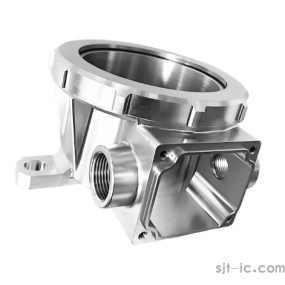
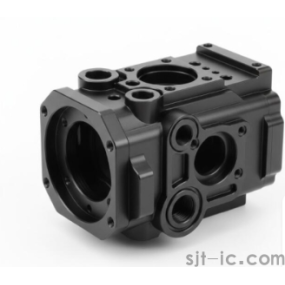
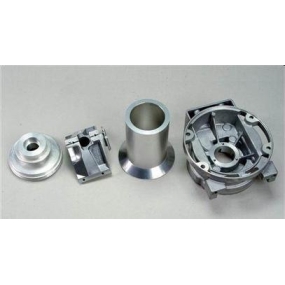
CNC Precision Hardware Processing plays a key role in modern manufacturing, especially when industries need small, accurate, and durable metal parts. From electronics to medical devices, many products rely on precision hardware components made by CNC machines.
This article explains how CNC precision manufacturing works in simple English, what problems it solves, and how to choose the right production partner for stable quality and cost control.
Why CNC Precision Hardware Processing Matters
Many industries face the same problems: parts that do not fit well, inconsistent quality, or high production waste. Traditional machining methods often cannot meet strict tolerance requirements.
CNC Precision Hardware Processing solves these issues by using computer-controlled machines to produce highly accurate parts repeatedly with minimal error.
- Reduces human error in production
- Improves consistency across large batches
- Supports complex shapes and fine structures
- Increases production efficiency
Benefits of CNC in Precision Hardware Processing
The benefits of CNC in precision hardware processing are clear for both small and large manufacturers. It helps companies improve product quality while reducing long-term costs.
- High repeatability: Every part is produced with the same accuracy
- Faster production: Automated systems reduce manual work
- Lower waste: Material is used more efficiently
- Flexible design: Easy to update designs through digital files
Precision Levels Achievable in CNC Precision Hardware Processing
One of the most important concerns for engineers is accuracy. The precision levels achievable in CNC precision hardware processing depend on machine type, material, and production conditions.
In general, modern CNC machines can achieve tolerances as tight as ±0.005 mm in high-end applications. This makes them suitable for industries that require extremely fine detail and stable performance.
However, maintaining this level of precision requires proper machine calibration and skilled technical control.
Material Selection for CNC Precision Hardware Processing
Choosing the right materials is essential for strong and reliable parts. The material selection for CNC precision hardware processing depends on the final application and performance requirements.
- Aluminum: Lightweight, easy to machine, widely used in electronics
- Stainless steel: Strong, corrosion-resistant, used in medical and industrial tools
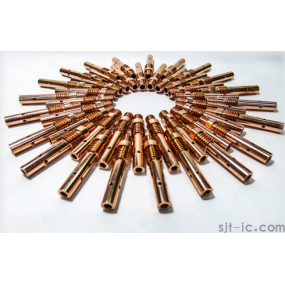
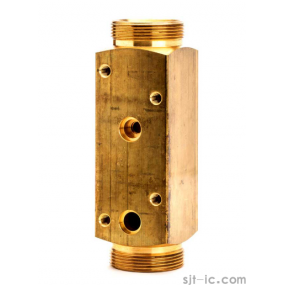
- Brass: Good conductivity, often used in electrical components
- Titanium: High strength and low weight, used in aerospace and medical fields
Selecting the right material helps balance cost, durability, and performance.
Quality Control Measures for CNC Precision Hardware Processing
To ensure stable output, strong quality control measures for CNC precision hardware processing are necessary. Even small errors can affect product performance in high-precision industries.
- Strict incoming material inspection
- Real-time monitoring during machining
- Use of coordinate measuring machines (CMM)
- Final inspection before shipment
These steps help ensure every part meets required specifications and reduces the risk of defects in final products.
Applications of CNC-Processed Precision Hardware
The applications of CNC-processed precision hardware are very wide. Almost every advanced industry depends on it in some form.
- Medical devices and surgical tools
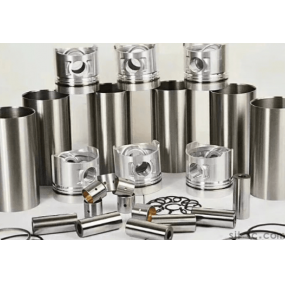
- Automotive engines and transmission parts
- Consumer electronics components
- Aerospace structural parts
- Industrial automation equipment
As technology continues to advance, demand for high-precision parts keeps increasing.
Choosing the Right Manufacturing Partner
Working with a reliable supplier is just as important as the machining process itself. A good partner ensures stable quality, on-time delivery, and engineering support during product development.
EMAR provides professional CNC Precision Hardware Processing services for global clients. With advanced CNC equipment, strict quality control systems, and experienced engineers, EMAR supports both prototype development and mass production.
Whether you need small-batch customization or large-scale production, choosing a capable manufacturer like EMAR can help reduce risk and improve overall product reliability.
Conclusion
CNC Precision Hardware Processing is essential for industries that require accuracy, durability, and efficiency. By understanding material selection, precision limits, and quality control systems, companies can make better production decisions.
With the support of experienced manufacturers such as EMAR, businesses can achieve stable quality and meet demanding engineering standards in today’s competitive market.