Spanish
 Arabic
 French
 Portuguese
 Belarusian
 Japanese
 Russian
 Malay
Malay Icelandic
 Bulgarian
 Azerbaijani
 Estonian
 Irish
Irish Polish
 Persian
 Boolean
 Danish
 German
 Filipino
 Finnish
 Korean
 Dutch
Dutch Galician
 Catalan
 Czech
Czech Croatian
 Latin
Latin Latvian
 Romanian
 Maltese
 Macedonian
 Norwegian
 Swedish
 Serbian
 Slovak
 Slovenian
 Swahili
 Thai
Thai Turkish
 Welsh
Welsh Urdu
Urdu Ukrainian
 Greek
Greek Hungarian
 Italian
 Yiddish
 Indonesian
 Vietnamese
 Haitian Creole
 Spanish Basque

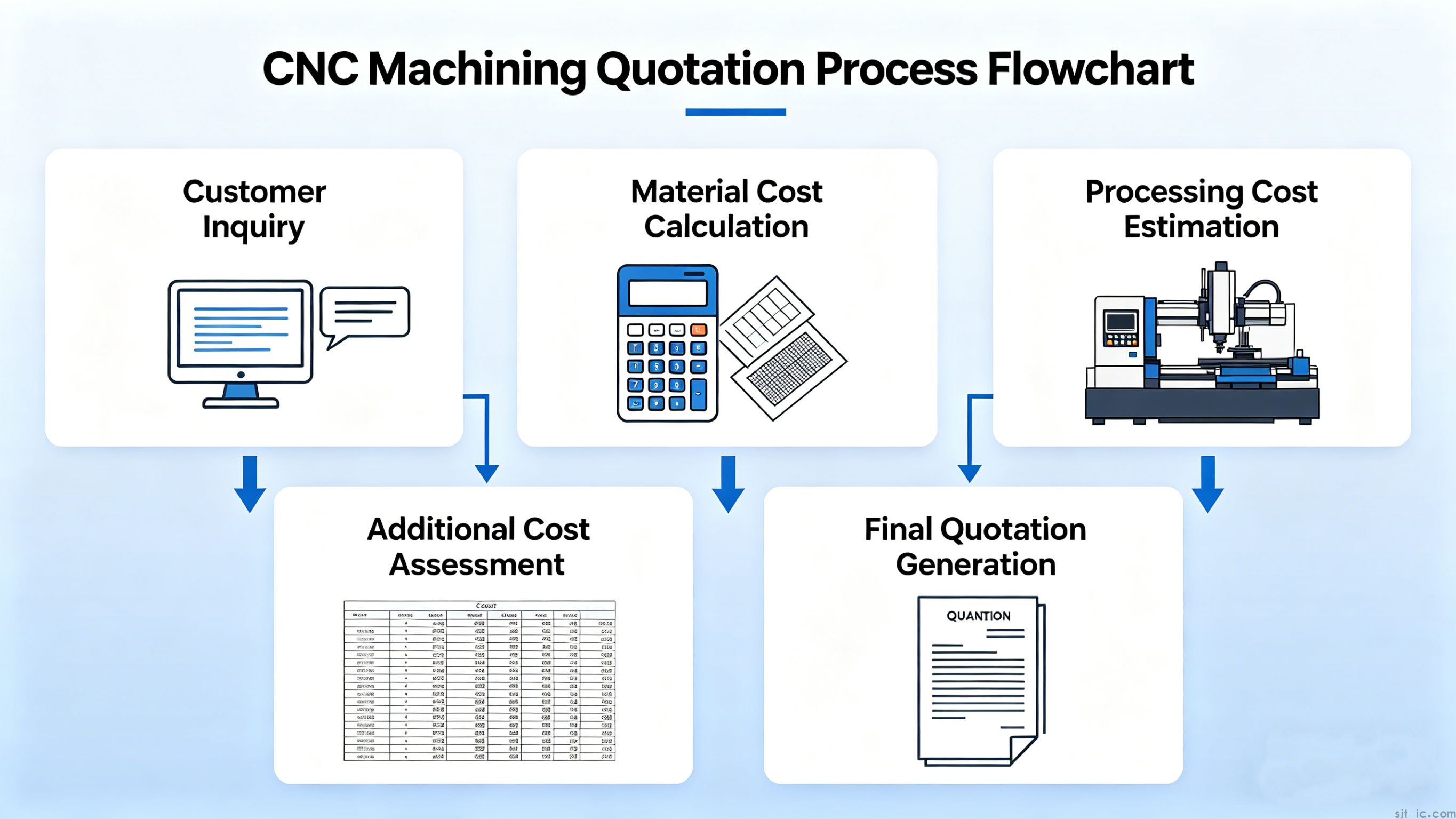
Getting an accurate CNC Machining quote is often the first and most critical step in any custom manufacturing project. Whether you are an engineer sourcing prototype parts or a procurement manager planning high-volume production, understanding how quotes are calculated helps you control costs, avoid delays, and choose the right partner. This guide explains everything you need to know about the CNC machining quoting process—from design preparation and cost factors to selecting a reliable supplier like EMAR.
Why an Accurate CNC Machining Quote Matters More Than Ever
In today’s competitive manufacturing environment, the quoting process has become a make-or-break function. Buyers now expect fast, transparent, and professional responses. A slow quote suggests a lack of capacity, while an inconsistent quote implies poor organization. Underpricing erodes profit margins, and overpricing loses customers permanently.
For CNC shops, a strong quoting system directly determines win rates and profitability. For buyers, understanding how quotes are built ensures you receive fair pricing and high-quality parts without unexpected delays.
Key Factors That Directly Affect Your CNC Machining Quote
Every CNC machining quote is built on several core cost drivers. Knowing these factors helps you make informed design and sourcing decisions.
1. Design Complexity
Complex designs require specialized tooling, multiple setups, and longer machining times. Features like intricate contours, deep cavities, thin walls, and tight internal radii increase manufacturing difficulty. The more complicated the geometry, the higher the machining effort—and the final cost.
2. Material Selection
Material choice impacts both raw material expense and machinability. Aluminum 6061, for example, is low-cost and easy to machine, while stainless steel 316 is tougher and more expensive. Plastics like Delrin and PEEK are lightweight and machining-friendly. Material prices fluctuate based on market demand, and non-standard sizes or fast turnaround times add further cost.
3. Production Volume
Quantity is a primary driver of unit cost. Larger production runs spread setup and programming expenses across many parts, significantly reducing the per-piece price. Small batches incur higher costs per part, especially if the shop has minimum order requirements.
4. Setup and Programming Time
Setup includes tool loading and calibration, fixture installation, workholding, and offset definition. Simple parts require minimal setup, while complex parts with multiple tools or intricate designs demand hours of programming. This time is a fixed overhead that affects every quote.
5. Part Tolerances
Tight tolerances are often the number one cost driver. A standard tolerance of +/- 0.005 inches is economical. Changing to +/- 0.001 inches can increase costs by 50% to 200% due to slower machining speeds, special tools, and extra inspection time. Apply tight tolerances only where functionally necessary.
6. Machining Time
This is the actual cutting time on the CNC machine. It is a fixed cost per part, influenced by material hardness, toolpaths, and part complexity. Accurate machining time estimation is the heartbeat of any reliable quote.
7. Tooling Costs
Custom tools increase initial setup expenses, particularly for low-volume production. In high-volume orders, tooling cost per part decreases. For small batches, custom tooling adds substantial overhead.
8. Secondary Finishing
Many parts require additional processes such as anodizing, plating, polishing, heat treating, or deburring. These steps add time, require separate setups, and may be outsourced—all of which increase the final quote. Partnering with a shop that offers in-house finishing, like EMAR, can reduce costs.
9. Risk Assessment
Parts with tight tolerances, exotic materials, thin walls, or unclear customer specifications carry higher risk. A professional quote includes a risk factor (typically 5–20%) to protect both parties from unexpected issues.
What to Include in Your CNC Machining Quote Request
To receive a fast and accurate quote from EMAR, prepare the following information before submitting your request.
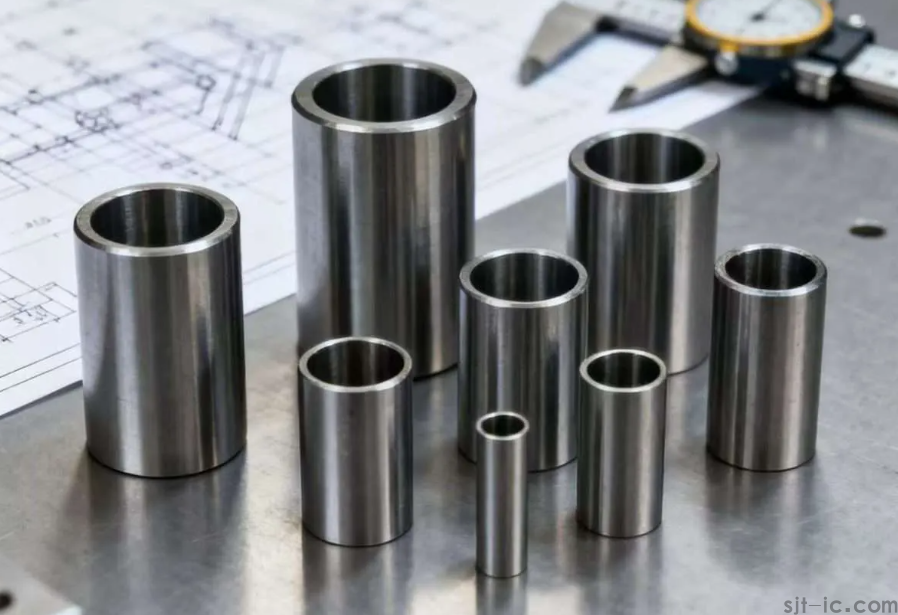
1. CAD Files and Technical Drawings
Provide 3D CAD files in STEP, IGES, DXF, or Parasolid (.x_t) formats. These formats preserve all geometric data. Do not rely on STEP files alone. Always include a PDF with critical callouts for tolerances, materials, heat treatment, surface finish, engraving, packaging, and any special requirements.
2. Material Specifications
Clearly state the material type, grade, and any specific standards (e.g., Aluminum 6061, Stainless Steel 303, Delrin). If you are unsure which material suits your application, EMAR’s engineering team can provide guidance based on your performance needs and budget.
3. Part Quantity
Always specify the exact number of parts required. Quantity is the primary factor for both cost and lead time. If you know your annual usage—for example, 100 pieces per year—tell your supplier upfront. They may offer better lot pricing, such as 25-piece lots delivered quarterly, instead of monthly 10-piece orders.
4. Desired Lead Time
Let the shop know if you need parts urgently or if you have flexibility. EMAR can accommodate short lead times, but knowing your schedule helps optimize pricing.
5. Surface Finish Requirements
Outline any required coatings or treatments: anodizing, plating, polishing, painting, or bead blasting. Reference relevant surface finish standards to ensure the final product meets your expectations.
6. Part Usage and Application
Share details about how the part will be used. For R&D projects or existing part improvements, application details allow the machinist to recommend better materials, platings, or design changes that improve performance or reduce cost.
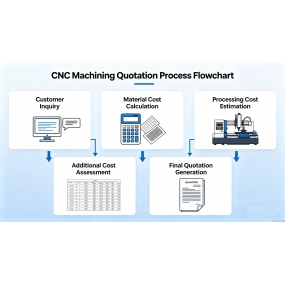
Step-by-Step Process to Obtain a CNC Machining Quote
There are two primary methods to get a quote: traditional direct inquiry and modern online quoting systems.
Traditional Method: Direct Inquiry
You contact CNC machining companies via email or phone, attaching 3D files, 2D drawings, and a spreadsheet with specifications. This method allows personalized communication and is ideal for complex projects. However, it can take several days and is less efficient for tight timelines.
Modern Method: Online Quoting Systems
Most advanced shops, including EMAR, now offer online quoting platforms. Here is how the process works:
Finalize Your 3D CAD Design – Double-check all features and measurements.
Export a Compatible File Format – STEP, IGES, or Parasolid are recommended.
Upload the File – Drag and drop your CAD file into EMAR’s SmartQuote platform.
Specify Project Requirements – Choose material, quantity, surface finish, and tolerances.
Receive and Analyze Your Quote – Instant or rapid estimates are generated based on your data.
Online systems provide instant feedback, often including DFM (Design for Manufacturability) suggestions. For very complex parts, a manual engineer review may take a few hours to one business day.
Quote Type Comparison
| Quote Type | Pros | Cons |
|---|---|---|
| Instant Quote | Fast (seconds to minutes), DFM feedback included | May not capture extreme complexity |
| Manual Quote | Expert review, best for complex or special needs | Slower (hours to one day) |
How to Read and Analyze Your CNC Machining Quote
A professional quote breaks down costs into clear components. Understanding each section helps you verify fairness and identify potential savings.
Typical Quote Components
Setup Costs – One-time fee for programming and fixture preparation. Fixed regardless of quantity.
Material Costs – Raw material expense based on type, grade, and required stock size.
Machining Time – The dominant variable cost based on cutting time.
Finishing Costs – Additional processes like anodizing, plating, or heat treating.
Tooling Costs – Amortized custom tooling expenses.
Understanding Price Breaks
Quantity dramatically affects unit price. Example:
1 part: $150 (full setup included)
10 parts: $25 per part
100 parts: $8 per part
Always request pricing for multiple quantities to find the optimal economic batch size.
Design Tips to Lower Your CNC Machining Quote
Small design changes can significantly reduce machining costs. Follow these DFM guidelines before submitting your quote request.
Wall Thickness – Maintain even thickness. For metals, keep walls thicker than 0.030 inches (0.75mm) to avoid vibration and flexing.
Internal Radii – Use the largest possible radius for internal corners to allow standard, rigid tools.
Hole Depths – Keep blind hole depth less than 10 times the diameter. Deeper holes require special tools and increase risk.
Threads – Use standard thread dimensions (UNF, UNC, or Metric). Special threads require custom tooling.
Tolerances – Apply tight tolerances only on critical features. Use standard tolerances elsewhere.
Swiss Turning vs. Standard CNC Turning
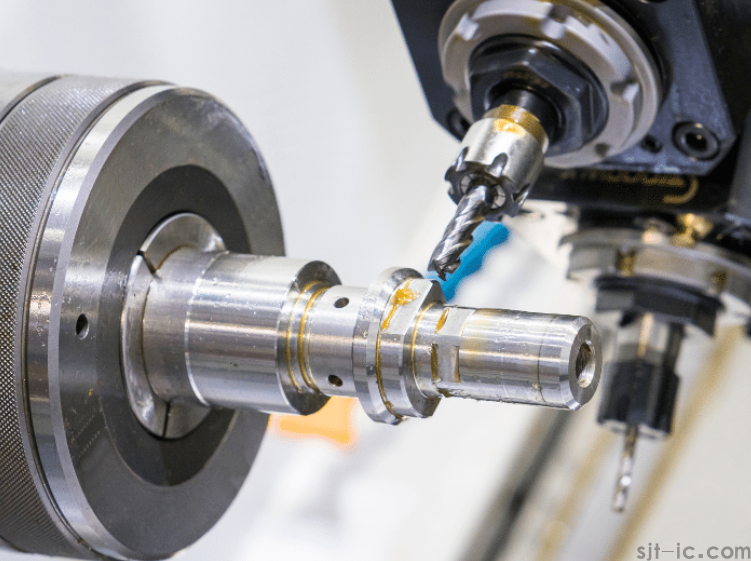
For very small, thin, long, or highly complex cylindrical parts, Swiss turning may be a better option than standard CNC turning. In Swiss machining, the part moves through a guide bushing, keeping it stable near the cutting tool. This allows extremely tight tolerances on delicate components. If your project requires this specialized process, EMAR offers Swiss CNC turning services.
How to Calculate Machining Cost for CNC Parts
While online quotes are convenient, understanding the underlying calculation helps you evaluate fairness.
Material Cost – Raw material weight × price per unit.
Machining Time – Estimated cycle time × machine hourly rate.
Labor Cost – Operator wages and overhead.
Tooling Cost – Amortized tool purchase and wear.
Overhead Costs – Maintenance, utilities, facility, software subscriptions.
Profit Margin – Added to total cost.
Typical CNC Machining Cost Per Hour
Hourly rates typically range from $40 to $150, depending on machine type, part complexity, and location. For high-precision or specialized environments, rates can exceed $200 per hour.
Why Partnering with a Reliable CNC Machining Provider Saves Money Long-Term
Choosing the cheapest quote often leads to rework, delays, and part failures. A high-quality provider like EMAR may require a higher initial investment but minimizes long-term risks.
EMAR has over 15 years of experience in precision CNC machining, offering solutions for both prototypes and small-batch production. Our engineering team guides you in selecting optimal processes and surface finishes to meet quality and budget requirements. We prioritize precision and clarity in every quote, and our online SmartQuote system delivers instant estimates while maintaining personal communication for complex projects.
Final Thoughts: The Quote Is the Foundation of a Successful Partnership
Quoting CNC machining parts is not just administrative work—it is the opening move in a long-term customer relationship. An accurate, fast, and transparent quote builds trust and sets the stage for profitable, repeat business. Whether you are a buyer or a shop owner, treating the quoting process with strategic discipline leads to better outcomes, stronger margins, and superior collaboration.
Ready to get an accurate quote for your CNC machined parts?
Contact EMAR today:
📞 +86 18664342076
📧 sales8@sjt-ic.com
Upload your CAD files to our SmartQuote platform and receive a competitive, detailed quote within hours.