Spanish
 Arabic
 French
 Portuguese
 Belarusian
 Japanese
 Russian
 Malay
Malay Icelandic
 Bulgarian
 Azerbaijani
 Estonian
 Irish
Irish Polish
 Persian
 Boolean
 Danish
 German
 Filipino
 Finnish
 Korean
 Dutch
Dutch Galician
 Catalan
 Czech
Czech Croatian
 Latin
Latin Latvian
 Romanian
 Maltese
 Macedonian
 Norwegian
 Swedish
 Serbian
 Slovak
 Slovenian
 Swahili
 Thai
Thai Turkish
 Welsh
Welsh Urdu
Urdu Ukrainian
 Greek
Greek Hungarian
 Italian
 Yiddish
 Indonesian
 Vietnamese
 Haitian Creole
 Spanish Basque

Introduction
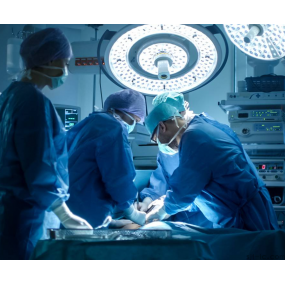
The medical device industry operates on a zero-failure principle. From implantable orthopedic components to minimally invasive surgical instruments, the demand for micron-level accuracy and flawless surface finishes is non-negotiable. As the global population ages—hip and knee replacements alone saw a 14% increase in a single recent year—manufacturers face growing pressure to produce high-complexity parts faster, without compromising on quality. Medical parts CNC Machining is the cornerstone of this industrial evolution, offering a digital manufacturing solution that bridges the gap between innovative design and life-saving reality. At EMAR, we specialize in transforming production-grade biocompatible materials into precise, sterile, and regulatory-compliant medical components, delivering everything from rapid prototypes to high-volume production runs with industry-leading turnaround times.
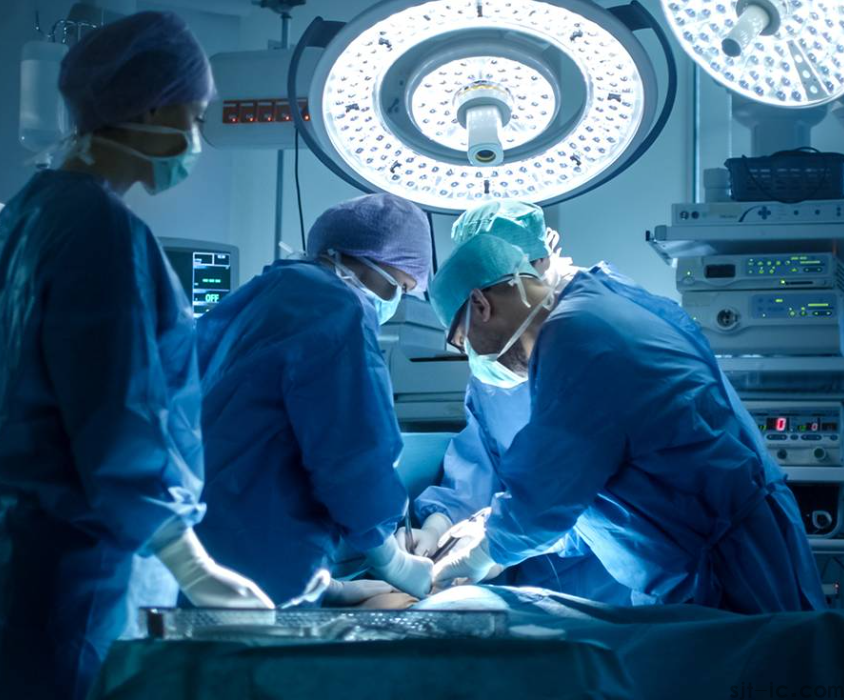
The Critical Role of CNC Machining in Modern Medical Manufacturing
Unlike standard manufacturing, medical production involves strict mechanical requirements and absolute biocompatibility. Computer Numerical Control (CNC) machining addresses these challenges by eliminating variability. Through automated toolpaths and multi-axis technology, EMAR ensures that every bone screw, diagnostic housing, and surgical cutting tool meets exact specifications with repeatable precision. This digital process not only reduces lead times compared to manual methods but also enables the "impossible" geometries required for next-generation patient-specific treatments. In a field where a single deviation can compromise a life, CNC machining ensures reliability across every batch.
Core Applications of CNC Machining for the Medical Sector
Our advanced machining capabilities span the entire spectrum of modern clinical care, from radiology laboratories to operating theaters.
Surgical Instruments and Minimally Invasive Tools
Surgical tools require more than sharpness; they demand ergonomic balance, corrosion resistance, and micro-precision. EMAR’s multi-axis milling and turning centers produce tools with complex geometries that function flawlessly under intense procedural stress.
Specialized Instruments: We manufacture trocar/cannula systems, biopsy cutters, forceps, retractors, graspers, and ligation devices.
High-Precision Surgery: Our capabilities extend to laser eye surgery components (keratomes) and micro-tips for minimally invasive laparoscopy, endoscopy, and robotic-assisted procedures.
Key Advantage: CNC machining allows for the production of burr-free parts with smooth surface finishes critical for delicate internal interactions.
Orthopedic and Spinal Implants
The shift toward personalized anatomy requires implants that mimic the mechanical properties of human bone. CNC machining’s tight tolerance control—down to ±0.0001 inches—ensures perfect load-bearing fits.
Core Products: Bone plates, bone screws (often machined with Swiss-style lathes for extreme length-to-diameter ratios), spinal fusion cages, and expandable rib cages.
Materials: We leverage the elasticity of Titanium and the shape-memory properties of Nitinol® for dynamic body environments, alongside durable stainless steel and PEEK composites.
Technical Highlight: 5-axis machining allows the creation of intricate lattice structures on spinal cages that promote osseointegration over time.
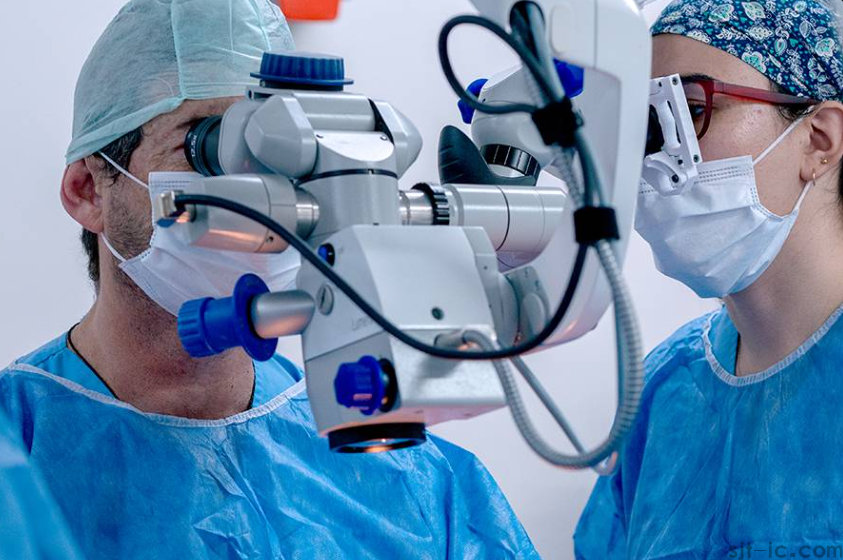
Diagnostic and Imaging Equipment Components
Accuracy in diagnostics relies on robust, vibration-resistant hardware. CNC machining provides the "invisible" structural precision that keeps scanners and analyzers accurate.
Applications: MRI table components, CT scanner collimators and rails, X-ray anodes, blood gas analyzer rotors, and stators.
Precision Micro-Machining: We craft micro-milled housings to accept sensitive electronics, alignment screws for clean-room use, and concentric parts with interpolated bosses holding 0.0005" tolerances.
Material Expertise: We machine 718 Inconel for high-stress scanner components and 6061-T6 Aluminum for lightweight housings.
Medical Enclosures, Housings, and Equipment Carts
Sensitive internal electronics must be shielded from moisture, contaminants, and electromagnetic interference (EMI). CNC-machined shells ensure structural integrity and patient safety.
Products: Ventilator component covers, EMI-shielded monitor cases, mobile workstation frames, and telescoping support arms.
Mobility Solutions: For diagnostic carts and surgical workstations, we produce precision-fit joints and modular hollow frames from aluminum and stainless steel, ensuring easy sanitation and corrosion resistance in sterile wards.
Custom Fixtures, Prosthetics, and Microdevices
Every patient is unique, and CNC machining facilitates mass customization at speed.
Prosthetics and Orthotics: Using 3D scans, CNC mills create smooth, anatomically contoured prosthetic sockets and orthotic supports from lightweight titanium and biocompatible nylons to prevent tissue friction and discomfort.
Microdevices: We handle miniaturization for biosensors and drug delivery systems, manufacturing parts as small as 0.019 inches (0.50mm). This includes micro-wire EDM for instrument caps and hard-turned dispensing nozzles with 2mm thru-holes over an 8-inch length.
Advanced Material Science for Biocompatible Medical Components
The selection of materials determines sterilization methods, strength, and patient outcomes. EMAR has deep expertise in the thermal dynamics and machinability of exotic, medical-grade materials.
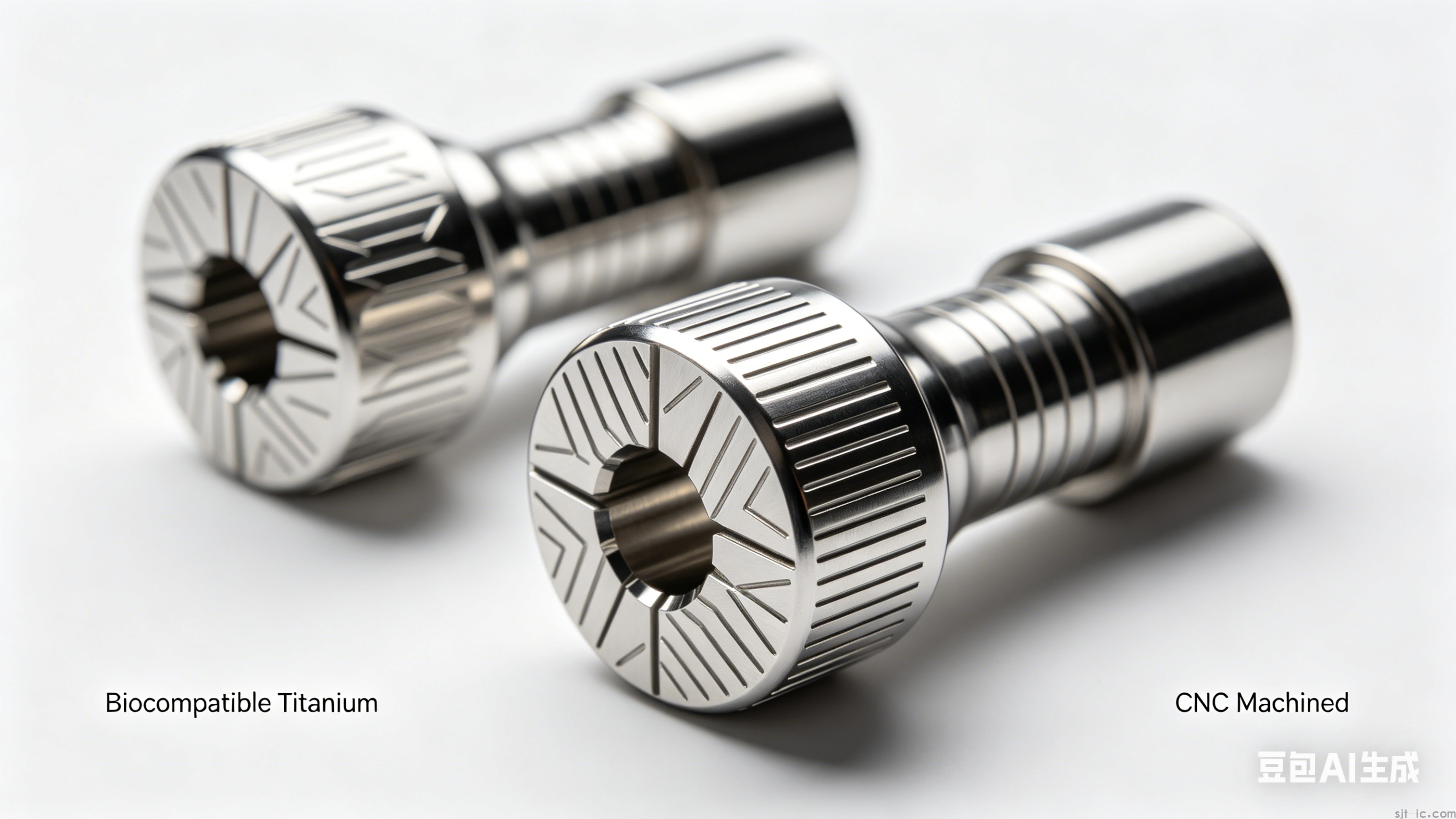
Metals: Strength and Sterilization
Titanium & Alloys (6Al-4V): The premier choice for implants; matches bone elasticity better than stainless steel, offering high strength-to-weight ratio, biocompatibility, and full corrosion resistance.
Stainless Steel (316, 17-4 PH): A workhorse for surgical instruments. We machine 17-4PH Cond H900 for high-hardness components and 316 for passive corrosion-resistant surfaces.
Exotic Superalloys: We process Inconel and Invar for high-temperature autoclave stability, and Kovar for glass-sealing applications in x-ray tubes. Ceramic tooling is employed for hard turning of Inconel to maintain integrity.
High-Performance Plastics and Composites
Many medical plastics can withstand repeated high-heat sterilization while remaining inert.
PEEK & PEI (Ultem): Creep-resistant and radiolucent, ideal for spinal implants and critical fluid-flow impellers requiring burr-free micro-milling.
PTFE & PCTFE (Kel-F): Chemical resistance for fluid seals and electrical insulators; we handle the machining of tapered ID profiles without material stress cracking.
Composites: Advanced custom composites offer high strength for special rehabilitation devices and prosthetics, reducing overall weight.
Specialized Machining Processes and Capabilities
Standard 3-axis milling is often insufficient for modern medical geometries. EMAR utilizes a suite of advanced subtractive and EDM technologies to solve complex manufacturing challenges.
5-Axis Indexed Milling: Eliminates multiple setups to maintain perfect concentricity on complex surfaces, such as experimental heart pump impellers requiring burr-free, polished finishes on 6Al-4V Titanium.
Swiss CNC Turning: The ultimate solution for long, slender parts like bone screws and catheters, utilizing a sliding headstock and guide bushing to prevent deflection.
Electrical Discharge Machining (EDM): Our Sinker and Wire EDM capabilities create sharp internal corners and miniature features that cutters cannot reach, essential for vena cava clips, micro electrode tips, and intricate catheter heads.
Mill/Turn with Live Tooling: Combines lathe and mill functions to machine complex cylindrical features in a single clamping, drastically improving productivity for alignment screws and symmetric instruments.
Why EMAR is the Trusted Partner for Medical CNC Machining
The convergence of strict cleanliness standards, tough materials, and zero-defect tolerances demands more than just machines; it demands a controlled ecosystem.
Environmentally Controlled Manufacturing
Metal dust and thermal expansion are the enemies of precision. Our facility operates with strict temperature and dust controls to stabilize machining parameters, guaranteeing the tightest tolerances (down to 0.01mm / 0.0005”) on every batch. Whether we are manufacturing a Ventricle Assist Device (VAD) or a DNA analysis insertion tool, our environment ensures high precision.
Comprehensive Design and Quality Feedback
We integrate seamlessly with OEMs to provide Design for Manufacturability (DFM) feedback with every quote. Our quality management systems adhere to ISO 9001:2015, AS9100D, and FDA-compliant traceability standards.
Quality Assurance: Multi-stage inspections using Coordinate Measuring Machines (CMM) and laser scanning verify dimensional accuracy.
Scalability: From one-off rapid prototypes in production-grade materials to full-scale, lights-out manufacturing, we maintain consistency without bottlenecks.
Complete Post-Processing and Supply Chain Integration
We reduce logistical risk by managing the entire part lifecycle under one roof.
Surface Finishes: Passivation, anodizing, micro-polishing, powder coating, and antimicrobial treatments.
Assembly: Hardware insertion, gasketing, and final assembly for clean-room delivery.
The Future of Digital Medical Manufacturing
The trajectory points toward miniaturization, advanced automation, and hyper-personalized patient devices. EMAR is at the forefront of these trends, integrating AI-driven monitoring, real-time data analytics, and advanced materials research into our production loops. As implantable microdevices and biodegradable polymers become the norm, our commitment to evolving CNC technologies ensures we can machine the next generation of medical innovation—safely, precisely, and at scale.
Conclusion & Call to Action
As a leading force in medical parts CNC machining, EMAR combines the art of skilled toolmaking with the power of digital automation. We don’t just cut metal; we manufacture the components that surgeons rely on, laboratories depend on, and patients trust in. If your project requires the highest commitment to accuracy and a supplier willing to tackle the impossible, we are ready to be your partner.
Contact our engineering team today to request a quote and receive DFM feedback for your next medical project.
Call: +86 18664342076
Email: sales8@sjt-ic.com