Spanish
 Arabic
 French
 Portuguese
 Belarusian
 Japanese
 Russian
 Malay
Malay Icelandic
 Bulgarian
 Azerbaijani
 Estonian
 Irish
Irish Polish
 Persian
 Boolean
 Danish
 German
 Filipino
 Finnish
 Korean
 Dutch
Dutch Galician
 Catalan
 Czech
Czech Croatian
 Latin
Latin Latvian
 Romanian
 Maltese
 Macedonian
 Norwegian
 Swedish
 Serbian
 Slovak
 Slovenian
 Swahili
 Thai
Thai Turkish
 Welsh
Welsh Urdu
Urdu Ukrainian
 Greek
Greek Hungarian
 Italian
 Yiddish
 Indonesian
 Vietnamese
 Haitian Creole
 Spanish Basque

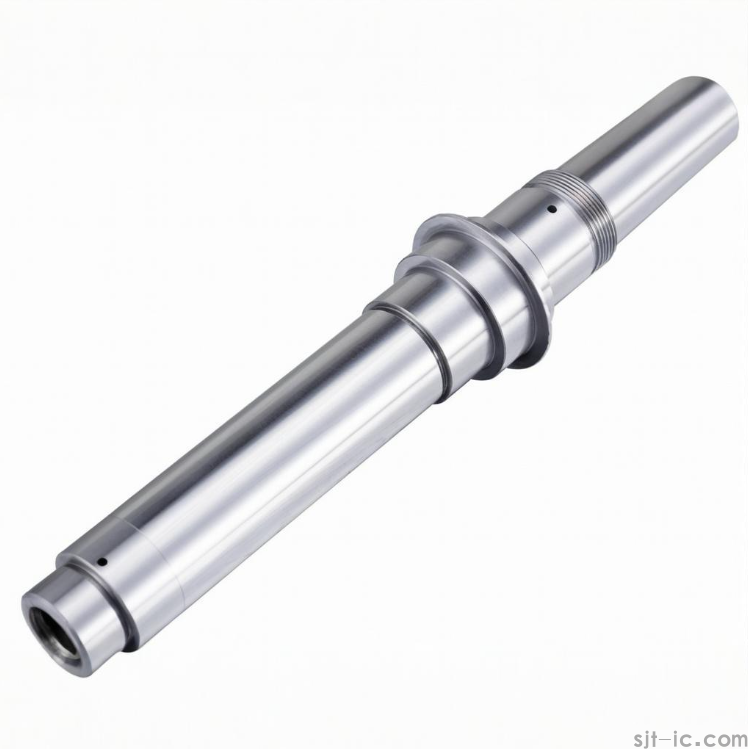
Ever needed a small batch of metal shafts and found yourself totally lost when the "how much does it cost?" question pops up? 🤔 You're not alone. The price for small metal shaft CNC Machining isn't a single number you can just look up. It's a puzzle, and we're here to help you put the pieces together, so you know exactly what you're paying for.
So, What's the Real Cost Per Piece?
Let's cut to the chase. There's no one-size-fits-all price. A simple small metal shaft might start from a few dollars each, while a complex one with tight tolerances could cost significantly more. The final price per piece is a mix of several factors. It's like cooking a meal – the final cost depends on the ingredients, the time, and the chef's skill.
The Big Three: What Really Drives The Price Up? 📈
When you ask for a quote, these are the main things that will change the number.
1. The Material You Pick: This is your ingredient cost. Common aluminum is like buying chicken – fairly affordable. But if you need stainless steel or titanium, that's more like ordering steak. The rarer and harder-to-machine the metal, the higher the cost.
2. The Design and Tolerances: Is your shaft a simple rod, or does it have threads, grooves, and special shapes? The more complex, the longer it takes to machine. And if you need super precise dimensions (super tight tolerances), that requires more skill and time, which adds up. It's the difference between cutting a block of cheese and carving a detailed sculpture from it.
3. The Quantity You Order: This is a big one. Ordering 10 pieces will have a much higher cost per piece than ordering 1,000. Why? Because for a small batch, the machine setup time is spread over fewer parts. For larger orders, that setup cost gets diluted, making each piece cheaper.
Beyond the Basics: Other Costs You Might Not See
While the main factors are clear, there are some behind-the-scenes elements. Surface finishing, like a smooth polish or a protective coating, adds a bit more. And of course, the supplier's own overhead and expertise play a role. A highly specialized shop might charge more, but they also might deliver a much more reliable part, which can save you money on failures down the line.
How to Actually Get a Good Price? 💡
Okay, so it's complicated. But what can you do about it?
Talk to your supplier early. Don't just send a drawing and ask for a price. Have a conversation. Explain what the shaft is for. Sometimes, a small design change can lead to a huge cost saving without affecting performance.
Be flexible on material if you can. Ask if there's a more cost-effective alternative that still meets your needs.
Think about your total volume. If you plan to order more over time, let the supplier know. They might be able to offer a better price for the promise of future business.
A Final Thought on "Cheap" vs. "Value"
It's tempting to just go for the lowest quote. But the cheapest option sometimes ends up being the most expensive. A part that fails can stop your entire production line. Paying a little more for a supplier who communicates well, has a good reputation, and delivers consistent quality is almost always the smarter financial decision in the long run. This doesn't mean the most expensive is the best, but it does mean the cheapest carries hidden risks.
Getting a clear cost for your small metal shaft project is the first step to making a smart decision. If you're ready to move from guessing to getting a real, tailored quote, our team is here to help you figure it out.
👉 Need a precise quote for your project? Contact our online service team now for a fast and clear breakdown!