Spanish
 Arabic
 French
 Portuguese
 Belarusian
 Japanese
 Russian
 Malay
Malay Icelandic
 Bulgarian
 Azerbaijani
 Estonian
 Irish
Irish Polish
 Persian
 Boolean
 Danish
 German
 Filipino
 Finnish
 Korean
 Dutch
Dutch Galician
 Catalan
 Czech
Czech Croatian
 Latin
Latin Latvian
 Romanian
 Maltese
 Macedonian
 Norwegian
 Swedish
 Serbian
 Slovak
 Slovenian
 Swahili
 Thai
Thai Turkish
 Welsh
Welsh Urdu
Urdu Ukrainian
 Greek
Greek Hungarian
 Italian
 Yiddish
 Indonesian
 Vietnamese
 Haitian Creole
 Spanish Basque

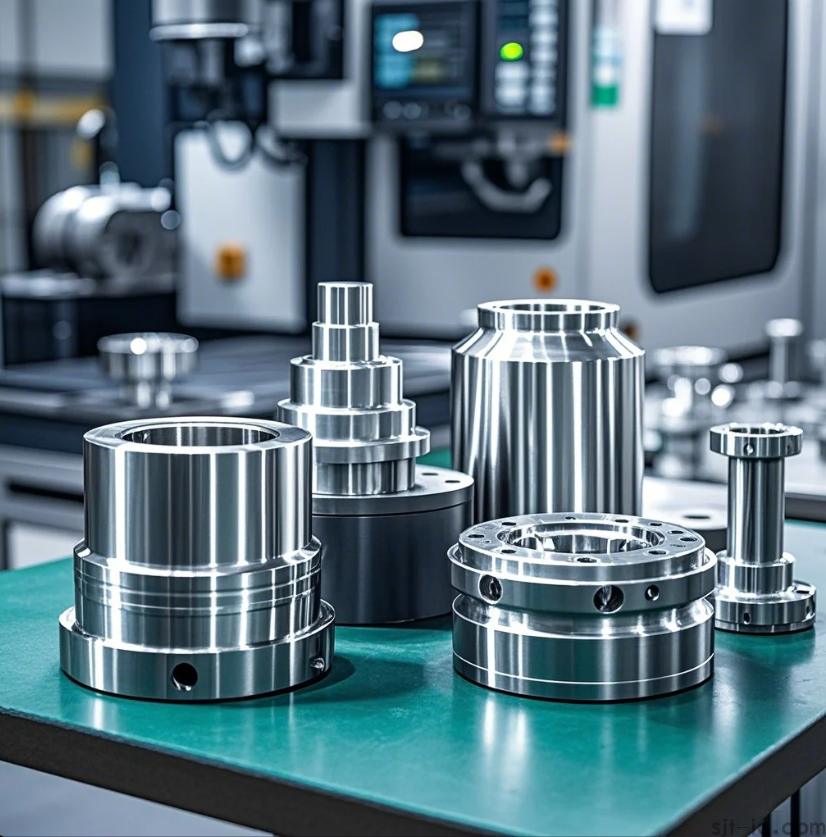
Ever get wildly different quotes for the same small batch of CNC parts and wonder what's going on? 🤔 You're not alone. For procurement managers and engineers, getting a clear, fair price for prototypes or short runs feels like decoding a secret language. The truth is, quoting these jobs isn't just about material plus machine time. It's a dance of hidden setup costs, programming intricacies, and, frankly, a supplier's willingness to take on the job. Let's break down how a proper quote is built, so next time, you know exactly what you're paying for.
What Exactly Are You Paying For in a CNC Quote?
Think of a quote like a layered cake. The top layer is obvious, but the real substance is underneath. Here’s the breakdown:
1. Material Cost: This one's straightforward. You pay for the block of aluminum, stainless steel, or plastic. The supplier buys it, and you reimburse them, often with a small markup. Easy.
2. Machining Time (The Big Variable): This is where the magic—and the cost—happens. It’s the time the machine is actually cutting. But here’s the thing: this number comes from the CAM program, which estimates time based on tool paths, cutting speeds, and tool changes. A skilled programmer can optimize this, a less experienced one might not. Two shops can have very different “machine hour” rates and efficiencies.
3. Setup & Programming (The "Hidden" Cost for Small Batches): This is the KILLER for small quantities. Before a single part is made, the machine needs to be set up: fixtures built, tools loaded, zeros set. A programmer has to translate your CAD file into machine code. For 100 parts, this cost gets spread thin. For 10 parts? It dominates the quote. This is why per-part cost drops dramatically with volume.
Why is Small Batch Quoting So "Special"?
It’s all about that setup burden. Imagine you’re the machine shop. A big order means days of steady, profitable work. A small order means stopping a running job, spending hours on setup for a job that runs for minutes, then tearing down to restart the previous job. The hassle factor is real. Some shops simply price this high because they don’t really want the job unless it’s very profitable. Others see it as a foot in the door for future business.
My personal take? A good small-batch quote should feel transparent. The shop should be able to explain, roughly, how much of your cost is setup/programming vs. per-part machining. If they just give you a lump sum and can’t explain it, that’s a red flag. 🚩
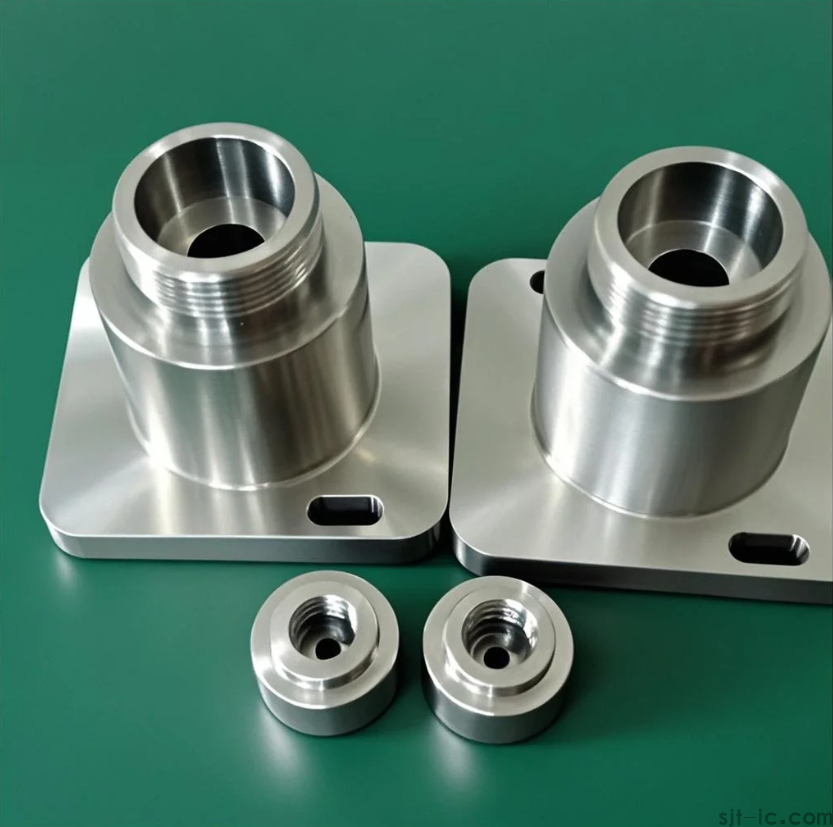
How to Get a Better, More Understandable Quote
You’re not powerless! Providing the right information can streamline the process and get you more comparable quotes.
- Provide Clean, Complete Drawings & 3D Models: This is rule #1. Missing tolerances, unclear finishes, or ambiguous geometry means the estimator has to guess—and they’ll guess on the safe (expensive) side. A perfect model with a detailed drawing slashes their prep time.
- Specify Material & Quantity Clearly: Don’t just say “aluminum.” Say “6061-T6 Aluminum.” And be clear if your “small batch” is 5, 20, or 50 pieces. This frames their costing immediately.
- Ask About Their "Niche": Some shops love prototypes. Their workflow is built for quick-turn, high-mix jobs. Others are geared for volume. Asking, “Do you frequently handle prototype or small-batch work?” filters out the volume-focused shops whose quote will be high.
But here’s a twist: The cheapest quote isn’t always the best. A slightly higher quote from a shop that communicates well, asks smart questions, and explains their cost structure might save you money and headaches in the long run by getting it right the first time. A rock-bottom price from a disorganized shop could lead to wrong parts, delays, and ultimately, higher total cost.
The Real Cost Beyond the Price Tag
We focus on the dollar amount, but the quote perhaps hints at deeper things. A detailed, itemized quote shows organization and confidence. Quick, clear communication during quoting suggests good project management. Their questions about your part’s function might reveal engineering insight that prevents a design-for-manufacturability flaw.
In my experience, when a supplier takes the time to understand not just the “what” but the “why” of your part, you’re more likely to get a part that works, not just a part that matches the drawing. That’s value you can’t always see in the numbers.
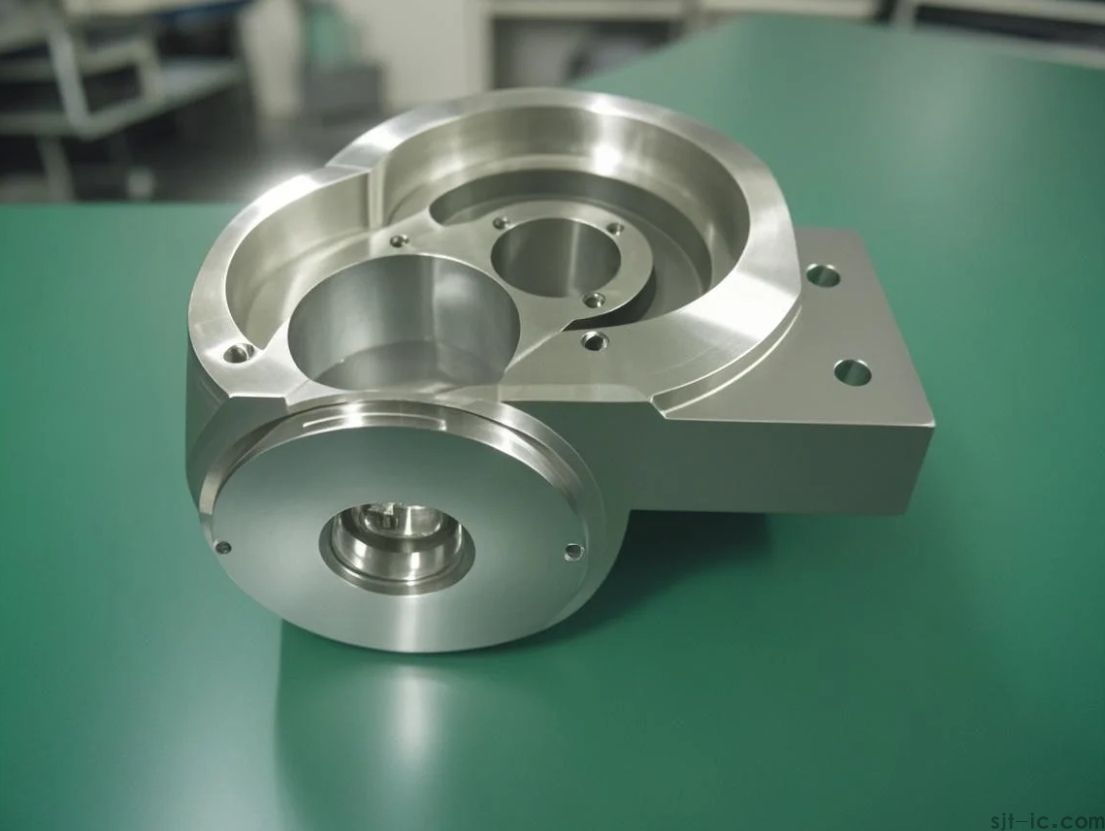
Feeling like you have a better map to navigate the quoting jungle now? Getting the right CNC parts made shouldn’t be a mystery. If you have a specific project in mind and want a quote that breaks down the “why” behind the “how much,” why not start a conversation? 👉 [Our team is ready to review your files and provide a transparent, detailed quote for your small batch needs]. Just send us your drawings, and let’s get started.