Spanish
 Arabic
 French
 Portuguese
 Belarusian
 Japanese
 Russian
 Malay
Malay Icelandic
 Bulgarian
 Azerbaijani
 Estonian
 Irish
Irish Polish
 Persian
 Boolean
 Danish
 German
 Filipino
 Finnish
 Korean
 Dutch
Dutch Galician
 Catalan
 Czech
Czech Croatian
 Latin
Latin Latvian
 Romanian
 Maltese
 Macedonian
 Norwegian
 Swedish
 Serbian
 Slovak
 Slovenian
 Swahili
 Thai
Thai Turkish
 Welsh
Welsh Urdu
Urdu Ukrainian
 Greek
Greek Hungarian
 Italian
 Yiddish
 Indonesian
 Vietnamese
 Haitian Creole
 Spanish Basque

Need a specific hex nut that's not on the shelf? Ordering thousands feels like a huge risk? You're not alone. Many procurement managers and engineers hit this wall: finding reliable, precise, and cost-effective solutions for small-volume, specialized fastener needs. This is where small batch hex nut CNC Machining customization shines. But how does it really work, and is it the right choice for your project? Let's break it down.

What Exactly is Small Batch Hex Nut CNC Machining Customization?
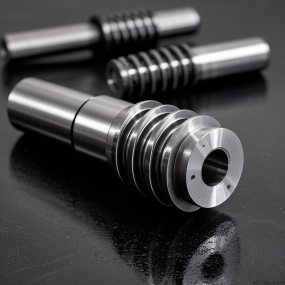
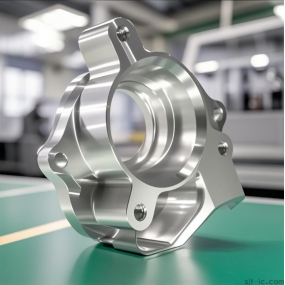
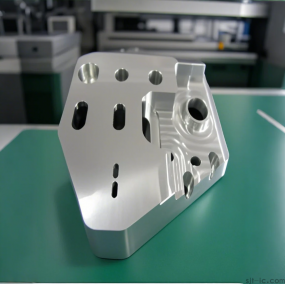
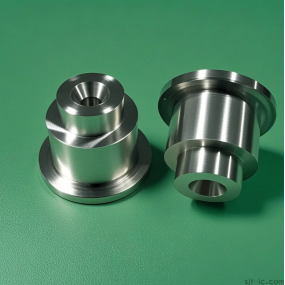
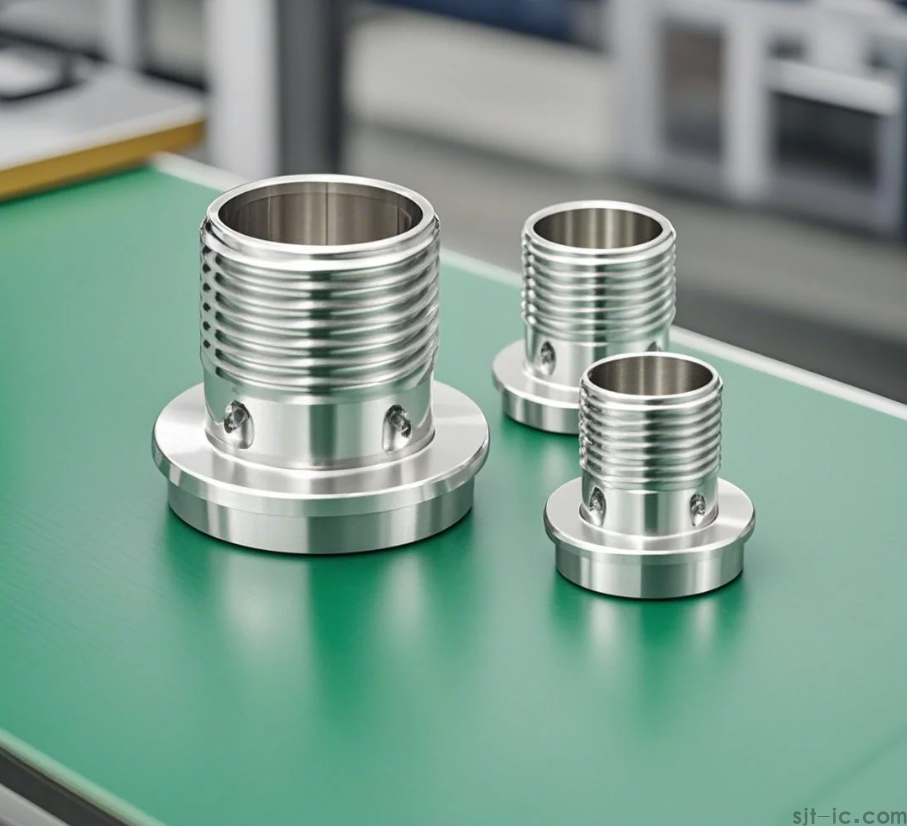
In simple terms, it's using computer-controlled machines to cut and shape solid blocks of metal into perfectly precise hex nuts, but only making the exact number you need—whether that's 50, 200, or 500 pieces. Unlike mass production methods that rely on molds (which are expensive to make), CNC machining is programmable and flexible. You provide a drawing or 3D model, and the machine creates each nut one by one with incredible accuracy. This is perfect for prototypes, specialized equipment repairs, or limited-run production where off-the-shelf standard nuts just won't do.
Why Choose CNC Machining for Small Batches of Hex Nuts?
You might think, "It's just a nut, why not just buy standard ones?" But when your design calls for a non-standard size, a unique thread, a special material like titanium or specific aluminum alloy, or requires extremely tight tolerances, the game changes completely. CNC machining offers three killer advantages for small batches:
1. No Mold Costs, Lower Upfront Risk: The biggest hurdle for small orders is often the tooling investment. With CNC, you pay mostly for machine time and material, not expensive molds. This makes low-volume orders economically viable.
2. Maximum Design Freedom & Precision: Want a hex nut with an unusual flange, an internal special feature, or made from a hard-to-find material grade? CNC can handle it. The dimensional accuracy and consistency are top-notch, which is crucial for high-performance assemblies.
3. Speed and Flexibility for Prototyping: Need to test a design? CNC machining can turn around a functional batch of prototype nuts quickly. If you need a design tweak, you simply adjust the digital file for the next run—no physical mold alterations needed.
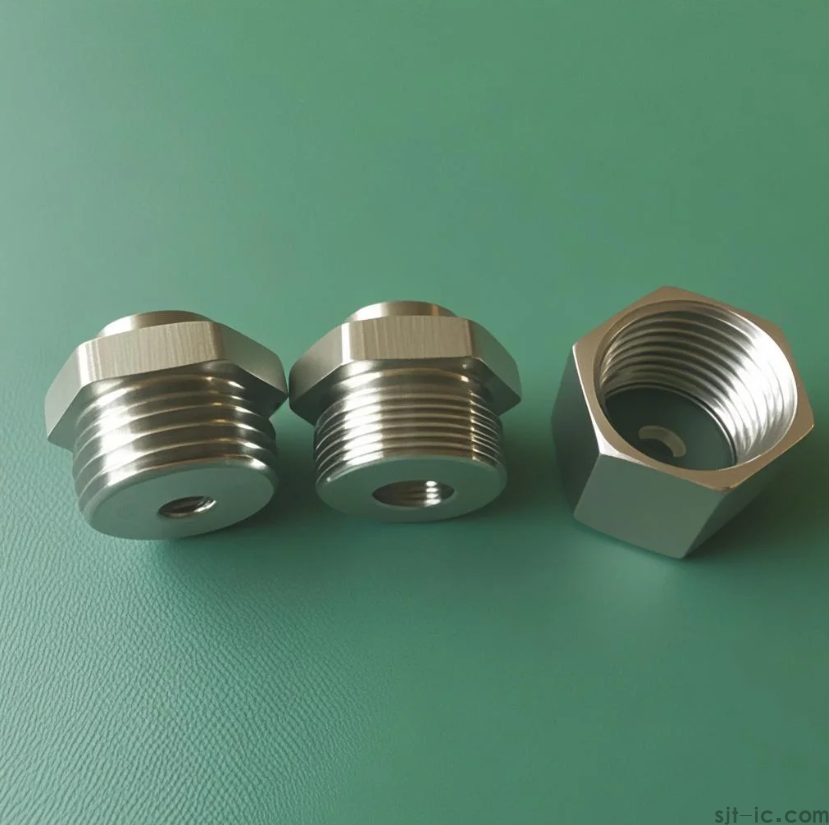
CNC Machined Hex Nuts vs. Traditional Mass-Produced Nuts: A Reality Check
Let's be honest, for standard nuts in the millions, cold forging or hot forging is unbeatable on cost per piece. That's a fact. However, this comparison starts to flip when your quantity is low and your specifications are high. The per-piece cost of CNC might be higher, but the total project cost (including tooling, lead time, and risk of holding large inventory) often becomes much lower for small batches. Think of it as paying for precision and flexibility on demand, rather than paying for efficiency at a massive scale you don't need.
Key Factors That Affect Your Custom CNC Nut Project (And Cost)
When you request a quote, manufacturers aren't just guessing. They look at several key things that, frankly, you should be thinking about too to manage expectations and budget:
• Material Choice: This is huge. Common options like mild steel or 304 stainless are more affordable. Exotic alloys, titanium, or engineering plastics cost more and might be harder to machine, affecting time and price.
• Design Complexity: A simple hex nut is... simple. But add chamfers on both sides, a specific thread type (like left-handed or fine-pitch), or secondary operations like heat treatment or surface finishing (black oxide, zinc plating), and the complexity—and cost—goes up.
• Quantity & Tolerances: It's basic math, but more pieces usually lower the cost per piece due to setup amortization. Tighter tolerances (e.g., ±.01mm vs. ±.1mm) require more meticulous machining and inspection, adding to the cost. Ask yourself: Do I really need that ultra-tight spec? Sometimes, standard commercial tolerances are perfectly fine and save money.
How to Get Started With Your Custom Nut Order? A Practical Workflow
Feeling overwhelmed? Don't be. The process is actually quite straightforward if you're prepared. Here's a workflow I often recommend to colleagues:
1. Finalize Your Design: Have a clear, detailed 2D drawing or 3D CAD model (STEP or IGES files are best). Include material specification, all dimensions, tolerances, and desired finish.
2. Communicate Your "Why": When reaching out, briefly explain the application. Is it for aerospace, food machinery, or a special automotive part? This helps the machining expert suggest potential optimizations.
3. Request & Compare Quotes: Provide your files to a few specialized shops. A good quote should break down costs (material, machining, setup, finishing) and clearly state lead time. Beware of quotes that seem too good to be true—quality and reliability are paramount.
4. Prototype & Approve: For a brand-new design, consider ordering a very small pilot batch first to test form, fit, and function before committing to the full order.
My Personal Take: It's About Solving Problems, Not Just Making Parts
After seeing many projects, I believe the real value of small batch CNC customization isn't just in the part itself. It's in solving an engineering or supply chain bottleneck. It keeps innovation moving without the burden of massive capital commitment. The ability to iterate quickly or produce a critical replacement part for legacy equipment can save a line from days of downtime. That's where the ROI truly hides.
this approach isn't a magic wand for every situation. For ongoing, high-volume needs, investing in traditional tooling eventually makes more sense. But for bridging that gap between idea and full-scale production, or for maintaining niche machinery, it's an incredibly powerful tool.
Ready to turn your custom hex nut design into reality? A clear conversation with a knowledgeable machining partner is the best next step. They can provide insights you might not have considered on design for manufacturability and help optimize your project for both performance and cost.
👉 Have specific drawings or questions about your small batch hex nut project? The right expertise is just a conversation away.