Spanish
 Arabic
 French
 Portuguese
 Belarusian
 Japanese
 Russian
 Malay
Malay Icelandic
 Bulgarian
 Azerbaijani
 Estonian
 Irish
Irish Polish
 Persian
 Boolean
 Danish
 German
 Filipino
 Finnish
 Korean
 Dutch
Dutch Galician
 Catalan
 Czech
Czech Croatian
 Latin
Latin Latvian
 Romanian
 Maltese
 Macedonian
 Norwegian
 Swedish
 Serbian
 Slovak
 Slovenian
 Swahili
 Thai
Thai Turkish
 Welsh
Welsh Urdu
Urdu Ukrainian
 Greek
Greek Hungarian
 Italian
 Yiddish
 Indonesian
 Vietnamese
 Haitian Creole
 Spanish Basque

HTML
Shenzhen, What Are the Parts Processing Technologies of Machinery Processing Plants?
When people ask, “Shenzhen, what are the parts processing technologies of machinery processing plants?”, they usually want to understand how factories in Shenzhen turn raw materials into accurate, reliable machine parts. With the rapid development of industries such as automotive, electronics, medical equipment, and aerospace, parts processing technologies have become the foundation for producing high-quality components.
Many customers face difficulties when choosing a processing partner because they are not familiar with the differences between machining, forming, joining, surface treatment, and precision processing technologies. Understanding these technologies helps companies select the right manufacturing method, reduce production risks, and improve product performance.
Shenzhen machinery processing plants usually combine multiple technologies to meet different production requirements. Companies such as EMAR use advanced processing methods and professional experience to provide reliable parts manufacturing solutions for different industries.
Why Understanding Parts Processing Technologies in Shenzhen Is Important
Different parts require different manufacturing methods. A small electronic component may need extremely accurate CNC Machining, while an automotive structural part may require forging or stamping for strength and efficiency.
The correct processing technology can directly affect:
- Part accuracy: ensuring components fit and work correctly.
- Production efficiency: reducing manufacturing time and cost.
- Material performance: improving strength, durability, and resistance to wear.
- Product quality: helping finished products meet industry standards.
For this reason, learning about the main machining technologies in Shenzhen and other processing methods can help customers better understand how their parts are produced.
Machining Technologies in Shenzhen
CNC Machining
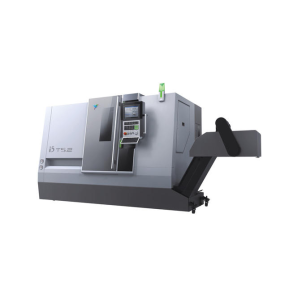
CNC machining is one of the most widely used technologies in Shenzhen machinery processing plants. CNC means Computer Numerical Control. This technology uses computer programs to control machine tools, allowing them to cut, drill, mill, and shape materials with very high accuracy.
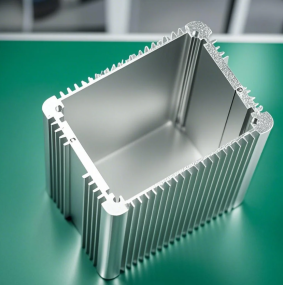
For example, a Shenzhen factory producing electronic equipment parts may use CNC milling machines to manufacture complex heat sinks. The machine follows a digital design drawing and removes material precisely to create the required shape and dimensions.
The main advantages of CNC machining include:
- High processing accuracy and repeatability.
- Ability to manufacture complex shapes.
- Stable quality during mass production.
- Reduced human operation errors.
CNC machining is especially suitable for industries that require precise parts, such as electronics, medical equipment, and aerospace manufacturing.
Lathe Machining
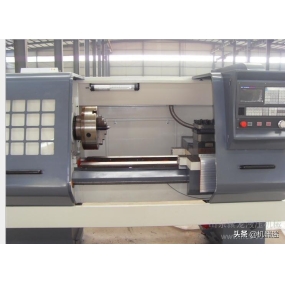
Lathe machining is another important machining method. During this process, the workpiece rotates while a cutting tool removes material to create cylindrical or cone-shaped parts.
For example, when a Shenzhen machinery processing plant produces shafts for industrial equipment, lathe machining can control the diameter, length, and surface quality of the shaft accurately.
The advantages of lathe machining include:
- Suitable for round and rotating parts.
- Provides smooth surface finishes.
- Works well for small and medium production batches.
- Offers good cost efficiency.
Common lathe-machined parts include shafts, pins, bolts, and rotating mechanical components.
Forming Technologies for Parts in Shenzhen
Stamping
Stamping is a common forming technology for parts in Shenzhen. It uses a stamping press and specially designed dies to cut, bend, or shape sheet metal into specific forms.
For example, manufacturers producing metal housings for electrical equipment often use stamping to create flat panels and bent structures. A single die can complete multiple forming steps, improving production speed.
The benefits of stamping include:
- High production efficiency for large quantities.
- Consistent part dimensions.
- Lower manufacturing costs in mass production.
- Fast processing speed.
Stamping is widely used in automotive parts, electronic shells, appliance components, and metal brackets.
Forging
Forging is a forming technology that uses pressure to shape metal. The material is usually heated until it becomes easier to deform, then it is pressed or hammered into the required shape.
In Shenzhen, forging is often used to produce high-strength components such as automotive crankshafts and heavy machinery parts. The forging process improves the internal structure of metal, making the parts stronger and more durable.
The advantages of forging include:
- Excellent strength and toughness.
- Improved fatigue resistance.
- Suitable for high-load applications.
- Long service life.
Joining Technologies in Shenzhen Machinery
Welding
Welding is an important joining method used in many Shenzhen machinery processing plants. It connects separate metal parts by creating a strong bond through heat.
Common welding methods include MIG welding and TIG welding.
- MIG welding: Suitable for large metal structures because it provides fast and strong welding.
- TIG welding: Suitable for precision applications where high-quality welds are required.
For example, construction machinery manufacturers in Shenzhen often use MIG welding to assemble large steel structures, while aerospace-related parts may require TIG welding for better accuracy.
The advantages of welding include:
- Strong and permanent connections.
- Ability to join different metal parts.
- Suitable for many industrial applications.
Brazing and Soldering
Brazing and soldering are also important joining technologies in Shenzhen machinery. These methods use filler materials to connect parts without melting the main material completely.
Soldering is commonly used in electronics manufacturing to connect components on circuit boards. Brazing is often used in applications such as automotive radiators because it creates reliable connections while protecting the base material.
The advantages include:
- Suitable for thin or delicate parts.
- Provides reliable connections.
- Reduces damage caused by high heat.
Surface Treatment Technologies in Shenzhen
Painting
Painting is a common surface treatment technology in Shenzhen. It improves the appearance of parts while protecting them from corrosion and environmental damage.
For example, machinery parts used outdoors may receive powder coating or industrial painting to prevent rust and extend service life.
The benefits of painting include:
- Improved corrosion resistance.
- Better appearance and color options.
- Protection from moisture and chemicals.
Plating
Plating involves adding a thin metal layer onto the surface of a part. Electroplating is widely used in Shenzhen manufacturing to improve corrosion resistance, wear resistance, and appearance.
For example, nickel plating can protect parts exposed to harsh environments, while chrome plating can provide a smooth and decorative surface for automotive components.
The advantages of plating include:
- Improved surface durability.
- Better electrical conductivity for some applications.
- Enhanced appearance.
Precision-Oriented Processing Technologies in Shenzhen
EDM (Electrical Discharge Machining)
EDM is one of the most important precision-oriented processing technologies in Shenzhen. Instead of cutting material with a traditional tool, EDM uses electrical sparks to remove material from the workpiece.
In mold manufacturing plants, EDM is often used to create complex cavities and detailed shapes in hardened steel materials that are difficult to process using normal cutting methods.
The advantages of EDM include:
- Very high accuracy.
- Ability to process hard materials.
- Capability to create complex designs.
Grinding
Grinding is a precision finishing process used to achieve smooth surfaces and accurate dimensions. It removes very small amounts of material using grinding wheels.
For example, precision machinery plants may use grinding to produce optical components or machine parts that require extremely smooth contact surfaces.
The advantages of grinding include:
- Excellent surface finish.
- Tight dimensional control.
- Reduced surface roughness.
EMAR's Expertise in Applying Parts Processing Technologies in Shenzhen
Applying the right processing technology requires not only advanced equipment but also manufacturing experience. EMAR has accumulated expertise in using different parts processing technologies in Shenzhen to support customers with high-quality manufacturing solutions.
Advanced Technology and Equipment
EMAR focuses on adopting advanced manufacturing equipment, including CNC machining systems, precision processing equipment, and modern welding technologies. These machines help produce complex parts with stable accuracy and consistent quality.
By selecting suitable processing methods according to material, structure, and application requirements, EMAR helps customers improve production efficiency and product reliability.
Experienced Engineering Team
A skilled engineering team is essential for successful parts processing. EMAR's engineers understand different materials and manufacturing processes, allowing them to optimize machining parameters, forming methods, welding procedures, and surface treatments.
For example, engineers can select the most suitable welding method for a specific metal structure or adjust CNC machining parameters to achieve better precision and surface quality.
This combination of technology and experience allows EMAR to provide dependable parts processing services for customers in industries such as automotive, electronics, and industrial equipment.
Conclusion
So, “Shenzhen, what are the parts processing technologies of machinery processing plants?” The answer includes many important methods, such as CNC machining, lathe machining, stamping, forging, welding, brazing, painting, plating, EDM, and grinding.
Each technology has its own advantages and application areas. Choosing the correct process helps manufacturers create parts with better accuracy, strength, appearance, and reliability.
With professional experience and advanced processing capabilities, companies like EMAR continue to apply these technologies to provide efficient and high-quality parts manufacturing solutions in Shenzhen's competitive machinery processing industry.