Spanish
 Arabic
 French
 Portuguese
 Belarusian
 Japanese
 Russian
 Malay
Malay Icelandic
 Bulgarian
 Azerbaijani
 Estonian
 Irish
Irish Polish
 Persian
 Boolean
 Danish
 German
 Filipino
 Finnish
 Korean
 Dutch
Dutch Galician
 Catalan
 Czech
Czech Croatian
 Latin
Latin Latvian
 Romanian
 Maltese
 Macedonian
 Norwegian
 Swedish
 Serbian
 Slovak
 Slovenian
 Swahili
 Thai
Thai Turkish
 Welsh
Welsh Urdu
Urdu Ukrainian
 Greek
Greek Hungarian
 Italian
 Yiddish
 Indonesian
 Vietnamese
 Haitian Creole
 Spanish Basque

HTML
Process Analysis of Equipment Parts Processing: From Design to Final Quality Control
Equipment parts are the basic building blocks of different machines and industrial systems. Whether used in manufacturing equipment, construction machinery, transportation systems, or other industrial applications, every part must have the correct size, strength, and performance to ensure reliable operation. The quality of equipment parts directly affects machine efficiency, service life, safety, and maintenance costs.
The Process Analysis of Equipment Parts Processing helps manufacturers and customers understand how raw materials are transformed into finished components. Since equipment parts have different shapes, sizes, materials, and functions, each part requires a suitable processing plan. A small precision gear and a large machine frame cannot follow the same production process. Understanding each step helps avoid quality problems, control costs, and improve production efficiency.
1. Understanding Equipment Parts and Their Processing Challenges
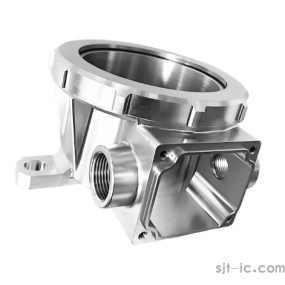
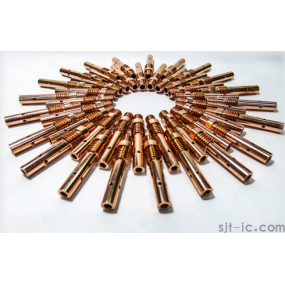
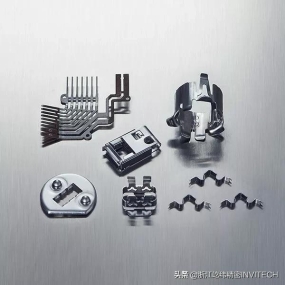
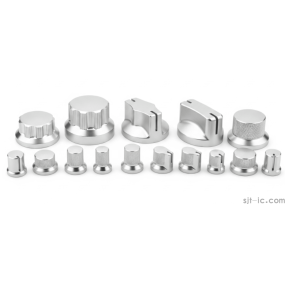
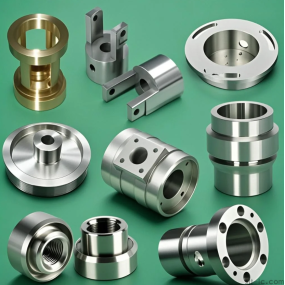
Equipment parts can be found in almost every type of machine. They include small precision components such as gears, bolts, pins, and bearings, as well as large structural parts such as engine blocks, machine frames, and support structures.
Different parts have different processing requirements:
- Size and shape: Small parts may require extremely accurate machining, while large parts need heavy-duty equipment and special handling methods.
- Material properties: Steel, aluminum, copper, plastics, and composite materials each require different processing techniques.
- Working conditions: Parts exposed to high temperatures, pressure, friction, or corrosion need special treatments to improve durability.
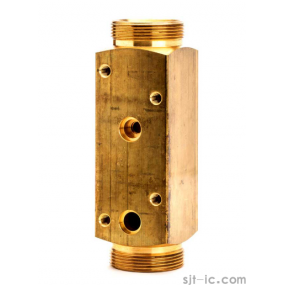
For example, a hydraulic system component requires precise holes and sealing surfaces to prevent leakage, while a construction machine frame requires high strength and welding accuracy to support heavy loads.
2. Pre-processing Preparation for Equipment Parts
Before machining begins, careful preparation is necessary. Proper pre-processing for equipment parts reduces production errors and ensures that the final product meets design requirements.
Design and Blueprint Preparation
A detailed engineering drawing is the foundation of equipment parts processing. The blueprint must include important information such as:
- Part dimensions and geometric requirements
- Required tolerances
- Surface finish standards
- Material specifications
- Assembly requirements
Modern manufacturers often use CAD (Computer-Aided Design) software to create accurate 2D drawings and 3D models. For example, when producing a hydraulic valve part, the CAD model defines the exact hole positions, thread sizes, and sealing areas. This information guides every later processing step.
Material Selection
Choosing the correct material is an important decision because it affects performance, cost, and service life. The material selection depends on:
- Required strength and load capacity
- Wear resistance requirements
- Operating temperature and environment
- Manufacturing cost
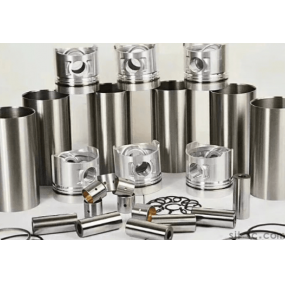
For example, aluminum alloys are commonly used for engine pistons because they are lightweight and have good heat dissipation. However, crankshafts usually require alloy steel because they need high strength and excellent fatigue resistance.
3. Machining Processes in Equipment Part Production
The main stage of equipment parts manufacturing is machining. The machining processes in equipment part production remove material or shape raw materials into accurate components. The correct machining method depends on the part design and material characteristics.
Cutting Operations
Turning
Turning is mainly used to create cylindrical or conical shapes. During turning, the workpiece rotates on a lathe while a cutting tool removes material from the surface.
A common example is shaft production. Manufacturers first perform rough turning to quickly remove excess material, then perform finish turning to achieve the required diameter and surface quality.
Milling
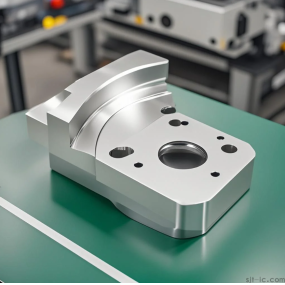
Milling is a flexible machining method used to create flat surfaces, grooves, pockets, and complex three-dimensional shapes. A rotating milling cutter removes material while the workpiece moves according to the programmed path.
For example, when producing a machine tool base, milling creates accurate mounting surfaces and guide rail slots to ensure proper machine assembly.
Drilling and Boring
Drilling creates new holes, while boring improves the accuracy and surface finish of existing holes. These processes are widely used in parts such as pump housings, engine components, and mechanical assemblies.
For a pump housing, drilling may create bolt holes and fluid passages, while boring ensures the internal cavity has the correct diameter for efficient operation.
Forming Operations
Forging
Forging shapes metal by applying strong compressive forces. This process improves mechanical properties by changing the internal grain structure of the material.
For example, forged engine connecting rods have better strength and fatigue resistance because the metal structure becomes more suitable for repeated loading.
Stamping
Stamping is commonly used for sheet metal parts. A die presses and forms metal sheets into the required shape, making it suitable for high-volume production.
In automobile manufacturing, stamping is widely used to produce body panels because it can create complex shapes quickly and consistently.
Bending
Bending changes flat sheets or bars into specific angles or curves. A press brake is often used to create accurate bends.
For example, metal equipment enclosures are manufactured by bending sheets to form side panels, corners, and protective covers.
4. Heat-treatment of Equipment Parts and Surface Improvement
After machining, many equipment parts require additional treatments to improve performance. The heat-treatment of equipment parts changes the internal structure of materials, while surface treatments improve external properties.
Heat Treatment
Common heat-treatment methods include:
- Quenching: Increases hardness and improves wear resistance.
- Tempering: Reduces internal stress and improves toughness.
- Annealing: Softens materials and improves machinability.
- Case hardening: Creates a hard outer layer while keeping a tough inner core.
For example, gears often receive case hardening. The outer surface becomes highly wear-resistant, while the inside remains strong enough to handle impact loads.
Surface Treatment
Surface treatments help protect parts from corrosion, improve appearance, and increase service life. Common methods include:
- Zinc plating for rust protection on bolts and fasteners
- Nickel or chrome plating for improved wear resistance
- Painting for corrosion protection and appearance
- Anodizing for stronger aluminum surfaces
For example, aluminum equipment covers are often anodized to improve durability and provide a clean surface finish.
5. Quality Control in Equipment Part Processing
Quality problems can lead to equipment failure, increased maintenance costs, and production delays. Therefore, quality control in equipment part processing is necessary throughout the entire manufacturing process.
In-process Inspection
Inspection should not only happen after production. Checking parts during machining helps identify problems early.
Common measuring tools include:
- Calipers for general size measurement
- Micrometers for high-precision measurements
- Gauges for checking specific dimensions
- Surface measuring tools for roughness evaluation
For example, during shaft machining, operators regularly measure the shaft diameter. If the size begins to exceed tolerance limits, adjustments can be made immediately.
Final Inspection
After all processing steps are completed, final inspection verifies whether the part meets customer requirements.
Final inspection may include:
- Visual checks for cracks, scratches, or surface defects
- Dimensional inspection using precision equipment
- Functional testing under working conditions
For example, a valve component may undergo pressure testing to confirm that it can operate safely without leakage.
6. Cost-management for Equipment Parts
Manufacturing high-quality parts requires careful cost control. Effective cost-management for equipment parts balances production efficiency, material usage, machining time, and quality requirements.
Optimizing Machining Parameters
Machining parameters such as cutting speed, feed rate, and cutting depth directly affect production costs.
- Proper cutting speed improves efficiency.
- Suitable feed rates reduce tool wear.
- Correct cutting depth prevents unnecessary machining time.
For example, using the correct cutting speed when machining steel parts can extend tool life and reduce the frequency of tool replacement.
Considering Production Volume
Production quantity also affects processing costs.
- Large-volume production: Automated equipment and optimized workflows can reduce the cost per part.
- Small-batch production: Reducing setup time and using flexible tooling systems can improve cost efficiency.
A professional equipment parts manufacturer such as EMAR applies suitable production strategies according to part requirements, helping customers achieve reliable quality while controlling manufacturing expenses.
7. Processing Different Types of Equipment Parts
Because equipment parts vary greatly, manufacturers must select suitable technologies for different applications.
Small Precision Parts
Small components require extremely high accuracy. Common processing methods include:
- Micro-milling
- Electrical Discharge Machining (EDM)
- Precision grinding
For example, precision watch components require advanced machining methods to achieve very small tolerances and reliable movement.
Large Structural Parts
Large parts require powerful equipment and careful process planning. Common methods include:
- Large-scale milling
- Heavy-duty turning
- Welding and structural assembly
For example, producing a construction crane boom requires large machining equipment and accurate welding processes to create a strong structure capable of carrying heavy loads.
Conclusion
The Process Analysis of Equipment Parts Processing shows that successful part manufacturing depends on careful planning, suitable machining methods, strict quality inspection, and effective cost control. From material selection and machining to heat treatment and final testing, every step influences the performance of the finished equipment.
Companies with professional processing experience, advanced manufacturing equipment, and strong quality management systems can provide more reliable solutions for different equipment part requirements. Through optimized processes and strict standards, manufacturers like EMAR help customers produce durable, accurate, and cost-effective equipment parts for various industries.