Difficulties in Processing Stainless Steel Precision Parts
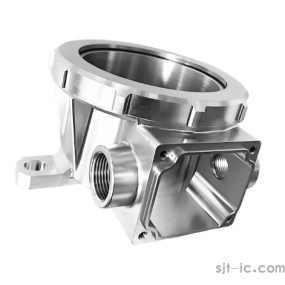
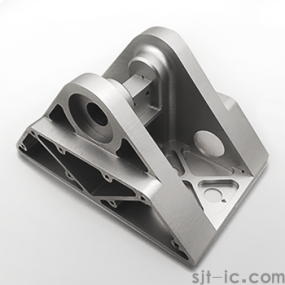
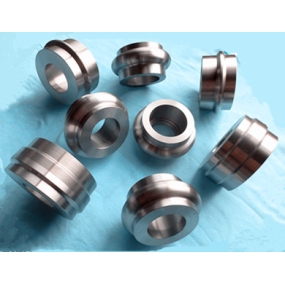
Stainless steel precision parts are widely used in industries such as medical equipment, aerospace, automotive, electronics, and high-end machinery because stainless steel offers excellent corrosion resistance, strength, and durability. However, producing these parts with high accuracy is not easy. Manufacturers often face problems related to cutting tools, heat control, chip removal, material characteristics, and dimensional accuracy.
Understanding the Difficulties in Processing Stainless Steel Precision Parts is important for manufacturers because these challenges directly affect production efficiency, machining costs, and final product quality. By identifying the causes of these problems and applying suitable solutions, manufacturers can produce reliable stainless steel precision parts with stable performance.
1. Tool Wear in Stainless-Steel Precision Parts Processing
One of the most common problems during stainless steel machining is rapid tool wear. The hardness and toughness of stainless steel create strong resistance against cutting tools, causing the tool edge to wear faster than when machining softer materials.
Causes of Tool Wear
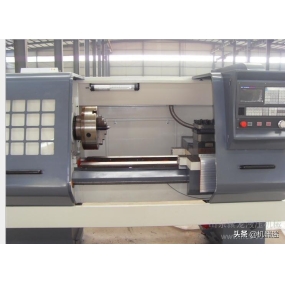
High material hardness: Stainless steel has strong mechanical properties. When a cutting tool removes material from a stainless steel workpiece, the tool edge experiences continuous friction and pressure. For example, when turning a stainless steel shaft on a CNC lathe, an unsuitable cutting insert may lose its sharp edge quickly, reducing machining accuracy.
Work-hardening effect: Stainless steel tends to become harder after being cut. During machining, the surface layer of the material can become stronger and more difficult to remove. For example, during milling of a stainless steel block, repeated cutting on the same area may create a hardened surface, increasing cutting resistance and accelerating cutter wear.
Tool wear increases manufacturing costs because worn tools need frequent replacement. More importantly, a damaged cutting edge can cause dimensional errors, poor surface quality, and unstable production results.
Solutions to Reduce Tool Wear
Choosing the correct tool material is essential for improving machining performance. Carbide cutting tools with coatings such as titanium nitride (TiN) or titanium aluminum nitride (TiAlN) are commonly used for stainless steel machining because they reduce friction and improve heat resistance.
For example, a TiAlN-coated carbide milling cutter can maintain better performance during high-temperature stainless steel milling compared with an uncoated tool.
Optimizing tool geometry is also important. Tools with suitable rake angles can reduce cutting forces and help the tool remove material more smoothly. Proper tool selection and maintenance can reduce tool wear in stainless-steel precision parts processing, extend tool life, and improve production stability.
2. Heat-Related Difficulties in Stainless-Steel Machining
Heat management is another major challenge when processing stainless steel precision parts. Stainless steel has relatively low thermal conductivity, meaning that heat generated during cutting is not easily transferred away from the machining area.
Effects of Heat Generation
Accelerated tool damage: Excessive heat can soften cutting tools and reduce their strength. For example, during drilling of a stainless steel plate, high temperatures around the drill tip may cause the tool to lose hardness and wear out quickly.
Dimensional changes: Heat can cause stainless steel parts to expand during machining. After cooling, the material may shrink slightly, creating size differences. In precision machining, even a small dimensional change can cause a part to fail inspection.
These heat-related difficulties in stainless-steel machining can increase production costs because they may result in shorter tool life, additional inspection, and part rework.
Methods to Control Machining Heat
Using suitable coolant is one of the most effective methods. Water-soluble coolants can remove heat from the cutting zone and keep both the tool and workpiece at a stable temperature.
For example, during CNC turning of a stainless steel component, continuous coolant flow can reduce cutting temperature and protect the cutting insert.
Machining parameters also need careful adjustment. Lowering cutting speed or optimizing feed rate can reduce heat generation. However, manufacturers must balance temperature control with production efficiency.
Advanced machining companies such as EMAR use optimized cutting strategies and process monitoring methods to control heat, protect tools, and maintain stable part quality.
3. Chip Formation Challenges in Stainless Steel Parts
Chip control is another important issue in stainless steel precision machining. Unlike some materials that produce short chips, stainless steel often creates long, continuous chips that are difficult to manage.
Problems Caused by Stainless Steel Chips
Chip entanglement: Long chips can wrap around cutting tools or machine components. During milling, these chips may interfere with the cutting process, create unstable cutting forces, and even damage the tool.
Surface quality problems: Improper chip removal can cause chips to scratch the machined surface. For precision stainless steel parts requiring a smooth finish, these marks can affect appearance and function.
For example, when manufacturing a stainless steel medical component, uncontrolled chips may create surface defects that prevent the part from meeting strict quality requirements.
Ways to Improve Chip Control
Using tools with chip breakers can help divide long chips into smaller pieces that are easier to remove. Proper tool design allows chips to flow away from the cutting area instead of interfering with machining.
Adjusting cutting parameters can also improve chip formation. In some turning operations, slightly increasing feed rate can help create shorter and more manageable chips.
Effective chip control reduces interruptions, improves tool life, and enhances the surface finish of stainless steel precision parts.
4. Precision-Achieving Difficulties in Stainless Steel Processing
High precision is often the main requirement for stainless steel parts used in industries such as aerospace, medical devices, and advanced manufacturing. However, maintaining tight tolerances during machining can be difficult.
Reasons Precision Is Difficult to Maintain
Tool wear: As cutting tools become worn, the cutting size may gradually change. This can cause finished parts to move away from the required dimensions.
Heat influence: Temperature changes can cause the workpiece to expand or contract, affecting measurement accuracy.
Work-hardening problems: Hardened surface areas can increase cutting resistance and make accurate machining more difficult.
For example, when producing a stainless steel precision gear, small dimensional errors can affect gear alignment and reduce the performance of the entire mechanical system.
Methods to Improve Precision
Regular tool inspection and timely replacement help maintain consistent cutting accuracy. Manufacturers should also monitor machining temperatures and use advanced CNC systems with accurate feedback control.
Modern precision machining facilities often use in-process measurement equipment to check dimensions during production. This allows operators to adjust machining parameters quickly and prevent quality problems.
These methods help overcome precision-achieving difficulties in stainless-steel processing and ensure that finished parts meet strict tolerance requirements.
5. Material-Related Challenges in Stainless Steel Precision Parts
Stainless steel is not a single material. Different grades have different levels of hardness, toughness, corrosion resistance, and machining behavior. These differences create additional challenges for manufacturers.
Material-Specific Difficulties
Different stainless steel grades require different machining methods: A high-strength stainless steel grade may require stronger cutting tools and more powerful equipment.
Alloy elements affect machining: Elements such as nickel and chromium improve stainless steel performance but may also increase cutting difficulty. Stainless steel with higher nickel content may have stronger work-hardening characteristics, making machining more challenging.
These material-related challenges in stainless-steel precision parts require manufacturers to understand the exact properties of the material before production begins.
How to Handle Material Challenges
Material testing before machining helps engineers select suitable tools, speeds, feeds, and cooling methods. Working with reliable material suppliers also helps ensure consistent material quality.
Experienced manufacturers analyze stainless steel grades carefully and create customized machining plans to achieve better efficiency and quality.
6. How EMAR Overcomes Difficulties in Processing Stainless Steel Precision Parts
Processing stainless steel precision parts requires experience, advanced equipment, and strong process control. EMAR has professional expertise in handling the challenges involved in stainless steel machining, including tool selection, heat management, chip control, and precision improvement.
With skilled engineers and experienced operators, EMAR develops suitable machining solutions according to different stainless steel grades and part requirements. For example, when producing high-precision stainless steel components for demanding industries, EMAR focuses on optimizing cutting conditions, controlling machining risks, and maintaining consistent quality.
Quality-Assured Stainless Steel Precision Parts
EMAR applies strict quality control procedures throughout the manufacturing process. Advanced inspection equipment and controlled machining methods help ensure that problems such as dimensional errors, surface defects, and material issues are effectively managed.
By combining technical knowledge, production experience, and quality management, EMAR provides reliable stainless steel precision parts that meet customer requirements for accuracy, durability, and performance.
For manufacturers facing the Difficulties in Processing Stainless Steel Precision Parts, choosing an experienced machining partner can reduce production risks, improve efficiency, and ensure high-quality final products.