Top 5 Advantages of Choosing a Professional Aluminum CNC Machining Manufacturer
Choosing the right aluminum CNC machining manufacturer is an important decision for businesses that need reliable, accurate, and high-quality custom parts. Aluminum is widely used in industries such as automotive, aerospace, electronics, medical equipment, and industrial machinery because it is lightweight, strong, and easy to process. However, the final performance of aluminum CNC parts depends greatly on the manufacturer’s skills, technology, and quality control systems.
Many customers worry about problems such as inconsistent quality, high production costs, limited machining capabilities, and delayed delivery. Working with a professional aluminum CNC machining manufacturer can help solve these challenges. Experienced manufacturers provide advanced machining solutions, strict inspections, and customized services to ensure that every part meets customer expectations.
This article explains the Top 5 Advantages of Choosing a Professional Aluminum CNC Machining Manufacturer and why making an informed choice is essential for successful aluminum CNC-machined products.
1. Superior Quality Assurance for Reliable Aluminum CNC Parts
Quality is one of the biggest concerns when selecting an aluminum CNC machining supplier. A professional manufacturer does not only produce parts; they build a complete quality management process to prevent errors and ensure consistent results. Strong quality assurance in aluminum CNC manufacturing helps customers receive parts that meet strict requirements for size, performance, and durability.
Professional aluminum CNC machining manufacturers use advanced inspection equipment throughout the production process. For example, Coordinate Measuring Machines (CMMs) are commonly used for in-process inspections. These high-precision measuring tools check part dimensions, hole positions, surface accuracy, and geometric tolerances during machining instead of waiting until the end of production.
A complete quality control system usually includes:
- Incoming material inspections to confirm aluminum alloy quality and specifications.
- In-process inspections using CMMs and other precision measuring tools.
- Surface finish analysis to ensure the required appearance and performance.
- Final product testing, including dimensional checks and functionality tests.
- Material integrity verification to confirm strength and reliability.
Professional manufacturers also follow recognized quality standards such as ISO 9001 for general manufacturing. For industries with higher requirements, such as aerospace, manufacturers may follow additional industry-specific standards. These certifications show that the company has reliable processes for controlling quality at every production stage.
For example, when producing aluminum housings for electronic devices, strict inspections can prevent issues such as incorrect dimensions, poor assembly fitting, or weak structural areas. By identifying problems before delivery, professional manufacturers help customers avoid production delays, product recalls, and unnecessary costs.
Companies like EMAR focus on maintaining strict quality control procedures to provide customers with dependable aluminum CNC machining solutions for different applications.
2. Expertise and Experience Improve Machining Results
Aluminum may be easier to machine than many other metals, but achieving high-quality results still requires professional knowledge. The expertise of aluminum machining manufacturers plays a key role in selecting the right machining methods, tools, and parameters.
Experienced engineers and machinists understand the special characteristics of different aluminum alloys. Common aluminum materials used in CNC machining include:
- Aluminum 6061: A popular alloy with good strength, corrosion resistance, and machinability.
- Aluminum 6063: Often used for parts requiring good surface finishing and lightweight structures.
- Aluminum 7075: A high-strength alloy commonly used in aerospace and performance applications.
- Aluminum 2024: Known for excellent strength and fatigue resistance.
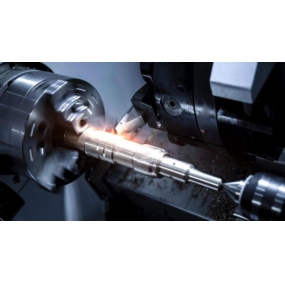
A professional manufacturer knows how each alloy behaves during cutting, drilling, milling, and finishing processes. They can select suitable cutting tools, adjust spindle speeds, control cutting temperatures, and optimize machining strategies to achieve the best balance between accuracy, strength, and appearance.
For example, when manufacturing a complex aluminum aerospace component, experienced engineers can choose machining methods that reduce stress and prevent deformation. For consumer electronics parts, they can optimize surface finishing processes to create a smooth and attractive appearance.
Manufacturers with years of experience can also provide valuable design suggestions. They may recommend changes to part structures that improve machinability, reduce production difficulties, and lower costs without affecting product performance.
3. Advanced Equipment and Technology Increase Efficiency
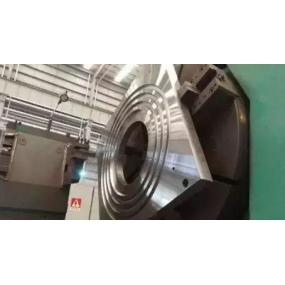
Modern aluminum CNC machining requires advanced equipment and software. Professional manufacturers invest in advanced machines and digital technologies to achieve higher precision, faster production, and better consistency.
The use of advanced tech in aluminum CNC allows manufacturers to produce complex parts that would be difficult or impossible to make with traditional machining methods.
Common advanced technologies include:
- Multi-axis CNC machining centers for producing complex geometries with fewer setups.
- High-speed CNC milling machines designed for efficient aluminum processing.
- CAD/CAM software for accurate design conversion and optimized CNC programming.
- Automated production systems that improve repeatability and reduce human errors.
Multi-axis machines allow cutting tools to move from multiple directions, making it possible to manufacture detailed components with complex shapes. This technology reduces setup time and improves dimensional accuracy.
CAD/CAM software also improves production efficiency. Engineers can simulate machining processes before actual production begins, helping identify potential problems early. This reduces programming errors, saves material, and shortens manufacturing time.
Advanced technology also improves material utilization. Professional manufacturers can optimize cutting paths to reduce aluminum waste, which helps lower production costs and supports more sustainable manufacturing practices.
4. Cost-effectiveness Without Sacrificing Quality
Many customers believe professional CNC machining services are more expensive, but experienced manufacturers can often provide better long-term value. The cost-effectiveness in aluminum machining comes from efficient production processes, skilled engineering, and optimized resource management.
Professional aluminum CNC machining manufacturers reduce costs through:
- Large-scale production experience and efficient workflow management.
- Optimized machining processes that reduce unnecessary operations.
- Better material usage to minimize aluminum waste.
- Professional advice on choosing suitable alloys and manufacturing methods.
- Long-term cooperation programs with volume-based pricing benefits.
For example, a customer may initially request a complex machining process that requires extra production time. An experienced manufacturer can suggest a different machining approach or recommend a more suitable aluminum alloy that provides similar performance at a lower cost.
Professional manufacturers also help reduce hidden costs. Poor-quality parts can lead to assembly problems, production interruptions, and replacement expenses. By providing accurate and reliable components from the beginning, professional suppliers help customers achieve better overall cost control.
Building a long-term partnership with a trusted manufacturer can provide additional benefits, including stable pricing, faster communication, and improved production planning.
5. Wide Product Variety and Customization Capabilities
Different industries require different aluminum CNC parts. A professional manufacturer should have the ability to produce both simple components and highly complex custom assemblies. Strong product variety in aluminum CNC manufacturing gives customers more flexibility when developing new products.
Professional aluminum CNC machining companies can create customized products based on specific customer requirements, including:
- Custom shapes and complex geometries.
- Special dimensions and tight tolerances.
- Unique functional features.
- Different surface finishing options.
- Prototype parts and large production batches.
Their engineering teams can work closely with customers from the design stage to final production. This cooperation helps transform ideas into practical manufacturing solutions.
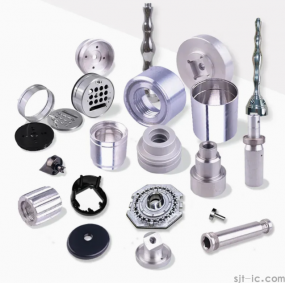
Examples of customized aluminum CNC products include:
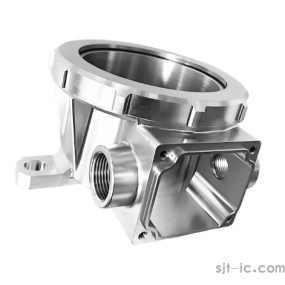
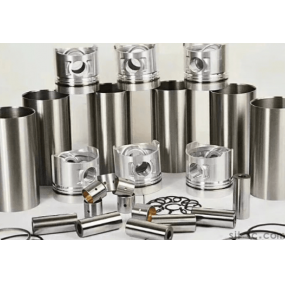
- Automotive aluminum brackets, housings, and structural components.
- Aerospace precision parts requiring lightweight and high-strength performance.
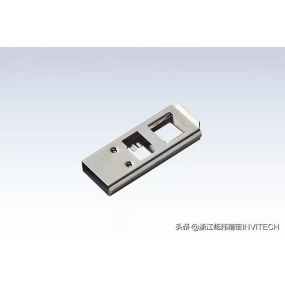
- Electronic device enclosures, heat sinks, and precision frames.
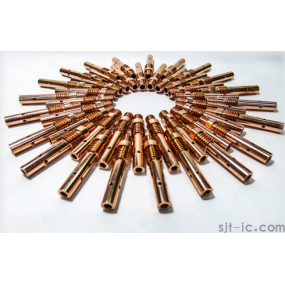
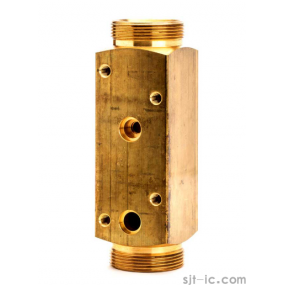
- Industrial machine components and custom tooling parts.
Manufacturers such as EMAR provide professional aluminum CNC machining services with flexible customization options. Their experience in precision manufacturing helps customers develop reliable aluminum parts for various industries.
Why Choosing the Right Aluminum CNC Machining Manufacturer Matters
Selecting a professional aluminum CNC machining manufacturer is not only about finding a supplier. It is about choosing a manufacturing partner that can support product quality, production efficiency, and long-term success.
A reliable manufacturer provides:
- Strict quality control and inspection systems.
- Experienced engineers who understand aluminum machining challenges.
- Advanced equipment for accurate and efficient production.
- Cost-saving solutions without reducing product performance.
- Flexible customization for different industries and applications.
By considering these advantages, companies can avoid common manufacturing problems and achieve better results with their aluminum CNC products. Whether developing prototypes or producing large quantities, working with a professional manufacturer like EMAR can provide the technical support and reliability needed for successful projects.