HTML
In modern manufacturing lines, conveyor systems play a key role in moving products smoothly and efficiently. At the heart of these systems are conveyor table components, which must be strong, precise, and durable. This is where CNC Machining Conveyor Table Components becomes essential for achieving high performance and long service life.
Many factories face common problems such as poor alignment, fast wear, vibration issues, and inconsistent movement of conveyor tables. These issues often come from low-quality or poorly manufactured parts. CNC machining solves these problems by offering high precision, repeatability, and stable quality for every single component.
Why CNC Machining Matters for Conveyor Table Systems
Conveyor table systems require parts that work together smoothly under continuous load. Even a small error in size or shape can lead to system failure or production delays. CNC machining helps eliminate these risks by producing highly accurate parts with tight tolerances.
The advantages of CNC machining for conveyor table components include improved durability, better surface finish, and consistent accuracy across large production batches. This ensures that every component fits perfectly into the conveyor system.
Common Types of CNC-Machined Conveyor Table Components
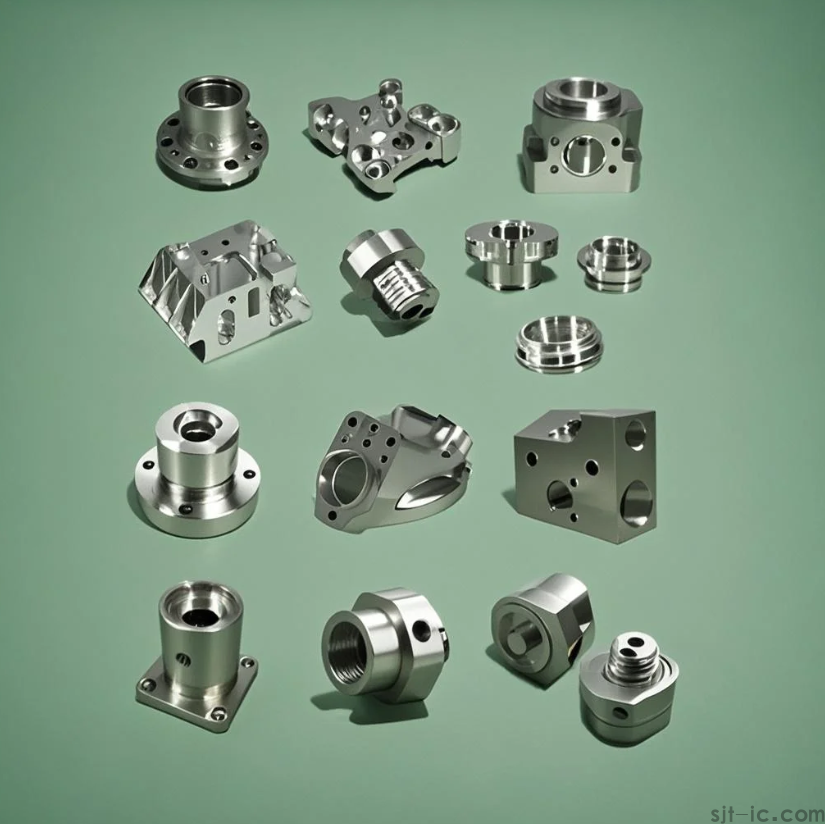
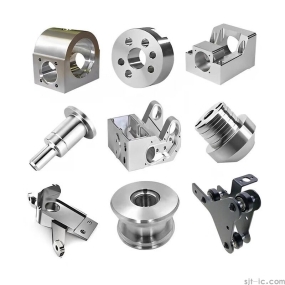
Different conveyor systems require different parts. CNC technology allows manufacturers to produce a wide range of precision components, including:
- Conveyor table frames and support bases
- Guide rails and positioning tracks
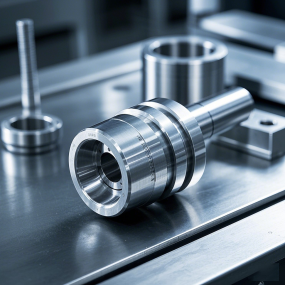
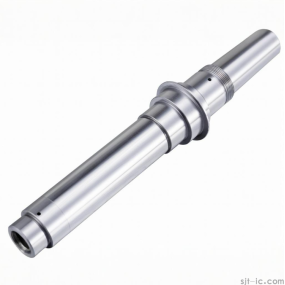
- Roller shafts and bearing housings
- Mounting brackets and connectors
- Drive system components and custom fixtures
These types of conveyor table components CNC - machined are designed to ensure smooth movement, stable load handling, and long-term operational efficiency.
Precision Requirements in Conveyor Table Manufacturing
Conveyor systems often operate continuously in industrial environments, which means precision is extremely important. Even a small deviation can lead to friction, noise, or system misalignment.
The precision needed for CNC - machined conveyor table parts is usually very high, especially for components like guide rails and roller systems. CNC machines can maintain micron-level accuracy, ensuring that each part performs consistently under heavy usage.
This level of precision reduces maintenance needs and helps factories avoid unexpected downtime.
Quality Control in CNC Machining Process
Reliable conveyor systems depend not only on good design but also on strict quality control. Without proper inspection, even CNC-machined parts may fail in real-world applications.
Strong quality control in CNC machining of conveyor table components includes multiple inspection steps such as dimensional testing, surface quality checks, and assembly validation.
Manufacturers often use advanced measuring tools like coordinate measuring machines (CMM) to ensure every part meets design requirements. This reduces defects and improves overall system reliability.
Cost-Effectiveness of CNC Machined Conveyor Parts
Some businesses assume CNC machining is expensive, but in reality, it often reduces long-term costs. High-quality parts last longer and reduce the need for frequent replacements or repairs.
The cost - effectiveness in CNC machining conveyor table components becomes clear when considering reduced downtime, improved efficiency, and lower maintenance expenses.
For large-scale production, CNC machining also ensures repeatability, which helps manufacturers avoid waste and rework costs.
How EMAR Supports Conveyor Table Component Manufacturing
Choosing the right machining partner is important for achieving stable and high-quality conveyor systems. EMAR provides professional CNC machining services focused on industrial components, including conveyor table parts.
With advanced equipment and experienced engineers, EMAR helps customers achieve high precision, consistent quality, and reliable delivery times. Whether it is small batch customization or large-scale production, EMAR supports different industrial needs with flexible CNC machining solutions.
By combining technical expertise and strict quality control, EMAR helps manufacturers improve production efficiency and reduce long-term operating risks.
Conclusion
CNC machining plays a vital role in producing reliable conveyor table components. From precision control to cost savings, it offers clear advantages for modern manufacturing systems. Understanding the importance of design accuracy, material quality, and inspection processes can help businesses improve conveyor performance significantly.
For companies looking to upgrade their conveyor systems or source high-quality parts, working with an experienced CNC machining provider like EMAR can be a practical and efficient choice.
 English
 » »
» »
 Spanish
 Arabic
 French
 Portuguese
 Belarusian
 Japanese
 Russian
 Malay
Malay Icelandic
 Bulgarian
 Azerbaijani
 Estonian
 Irish
Irish Polish
 Persian
 Boolean
 Danish
 German
 Filipino
 Finnish
 Korean
 Dutch
Dutch Galician
 Catalan
 Czech
Czech Croatian
 Latin
Latin Latvian
 Romanian
 Maltese
 Macedonian
 Norwegian
 Swedish
 Serbian
 Slovak
 Slovenian
 Swahili
 Thai
Thai Turkish
 Welsh
Welsh Urdu
Urdu Ukrainian
 Greek
Greek Hungarian
 Italian
 Yiddish
 Indonesian
 Vietnamese
 Haitian Creole
 Spanish Basque