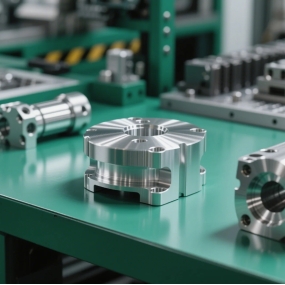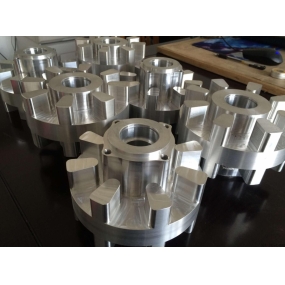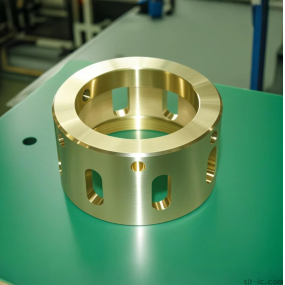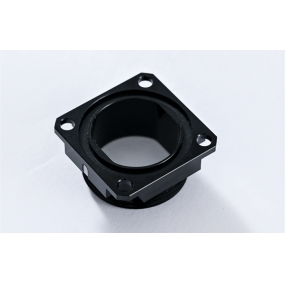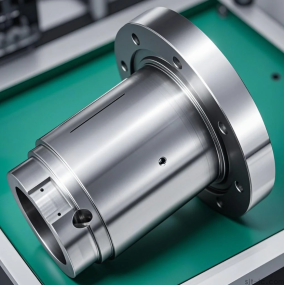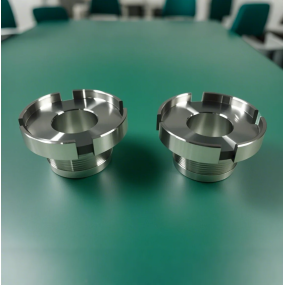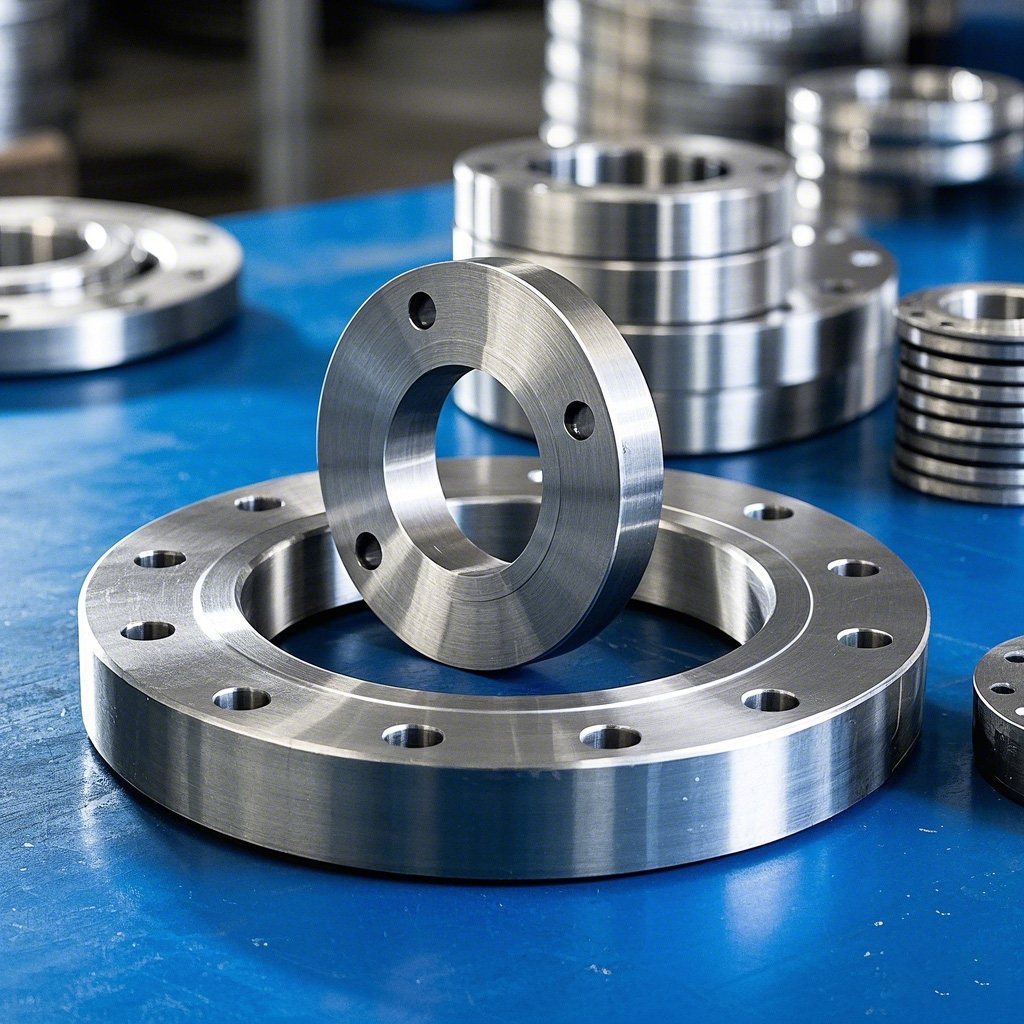
Flanges are important connection components used in many engineering systems, including piping, plumbing, pressure equipment, and industrial machinery. They connect pipes, valves, pumps, and other equipment to create a secure and stable system. A properly manufactured flange helps prevent leakage, improves safety, and ensures long-term operation.
The CNC Machining Flange Processing Method? Flange Processing Detailed Process involves several precise machining steps, including material preparation, CNC turning, milling, drilling, tapping, and quality inspection. Compared with traditional flange manufacturing methods, CNC machining provides higher accuracy, better repeatability, and the ability to produce complex flange designs with strict tolerances.
Professional CNC machining suppliers, such as EMAR, use advanced CNC equipment and strict inspection systems to produce reliable flange components for different industries. Understanding the complete processing flow helps customers choose suitable materials, control costs, and achieve consistent quality.
Traditional flange production methods may depend heavily on manual operations, which can cause variations in size, surface quality, and hole positions. CNC machining uses computer-controlled programs to guide cutting tools, allowing manufacturers to produce flanges with accurate dimensions and stable quality.
The main advantages of CNC machining for flanges include:
For industries where leakage prevention and connection strength are essential, precision CNC flange manufacturing is a reliable solution.
The first step in flange processing is choosing the correct material. Different working environments require different material properties. The wrong material choice can lead to corrosion, deformation, or reduced service life.
Common flange materials include:
When selecting flange materials, engineers should consider operating pressure, temperature, chemical exposure, mechanical strength, and production cost. Proper CNC flange material selection helps ensure performance and avoids unnecessary replacement costs.
A detailed engineering drawing is required before CNC machining begins. The drawing provides all necessary manufacturing information, including:
Modern manufacturers use CAD (Computer-Aided Design) software to create accurate 2D drawings and 3D models. These digital designs are then converted into CNC programs that control machining movements and cutting operations.
Before machining, the raw flange material must be prepared. The blank is usually made from a round bar, forged piece, or metal plate depending on the flange type and application requirements.
The workpiece is securely mounted on the CNC machine. Proper positioning is important because any installation error can affect final flange accuracy.
Turning is one of the most important operations in flange manufacturing. During this process, the workpiece rotates while a cutting tool removes material.
Rough turning removes large amounts of excess material quickly. The goal is to create the basic flange shape while approaching the required outer diameter, inner diameter, and thickness.
The operator adjusts cutting parameters such as:
Correct parameter settings improve machining efficiency while reducing tool wear.
After rough turning, finish turning creates the final dimensions and improves surface quality. This step requires more precise cutting conditions to achieve accurate measurements and reduce surface roughness.
High-quality finish turning is especially important for flange sealing surfaces because poor surface conditions may cause leakage during operation.
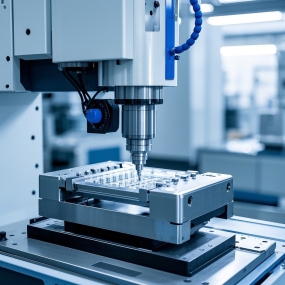
Milling operations create additional flange features that cannot always be completed by turning. The CNC machine controls the movement of the milling cutter to produce accurate shapes.
Face milling creates smooth and flat flange mating surfaces. A properly machined face ensures that the flange can connect tightly with pipes, valves, or other components.
The cutter size, feed rate, and machining speed must be carefully selected to achieve a flat surface with good finish quality.
Some flanges require special sealing structures, such as gasket grooves or raised faces. CNC milling can accurately create these features according to the design drawing.
Precise groove dimensions are important because incorrect sizes may affect gasket installation and sealing performance.
Bolt holes are critical flange features because they determine how the flange connects with other parts. CNC drilling ensures that each hole is positioned accurately according to the required bolt pattern.
The machining process considers:
Accurate bolt-hole positioning improves installation efficiency and prevents connection problems.
If a flange requires threaded holes, tapping is performed after drilling. A tapping tool creates internal threads with the correct pitch and depth.
CNC control ensures that thread dimensions remain consistent, allowing bolts to fit correctly and maintain connection strength.
Quality control is one of the most important steps in flange manufacturing. Even small dimensional errors can affect sealing performance and equipment safety.
During machining, operators inspect the flange at different stages to identify problems early. Common measuring tools include:
Checking dimensions during production helps reduce material waste and prevents defective parts from reaching the final stage.
After machining, the completed flange undergoes final inspection. The inspection process usually includes:
For critical applications, manufacturers may use additional testing methods, such as ultrasonic testing or magnetic particle inspection, to detect internal defects.
Following international standards such as ASME and DIN helps ensure that CNC-machined flanges meet industry requirements. Strong quality control in CNC flange processing is essential for reliable performance.
Many customers are concerned about machining costs, especially for large projects. Effective production planning can reduce expenses without sacrificing quality.
Choosing suitable cutting tools and machining settings can improve efficiency. Proper cutting speed, feed rate, and cutting depth help:
Experienced CNC manufacturers analyze machining conditions carefully to balance productivity and quality.
Production quantity has a major impact on flange processing costs.
The cost-effectiveness of CNC flange production depends on efficient programming, proper material use, and professional process management.
Weld neck flanges have a tapered neck design that improves stress distribution and provides strong connections for high-pressure systems.
The machining process requires additional attention because the tapered neck must be produced accurately. Turning operations are often used to create the correct taper, while the welding end requires precise preparation for proper installation.
Slip-on flanges are installed by sliding over the pipe before welding. The inner diameter must be accurately machined to provide the correct fit.
During processing, manufacturers focus on:
Proper machining makes installation easier and improves connection reliability.
The complete CNC Machining Flange Processing Method? Flange Processing Detailed Process includes material selection, design preparation, CNC turning, milling, drilling, tapping, inspection, and cost optimization. Each step affects the final performance, accuracy, and reliability of the flange.
By selecting suitable materials, applying professional machining methods, and maintaining strict quality control, manufacturers can produce flanges that meet demanding industrial requirements. Companies like EMAR provide CNC machining expertise, advanced equipment, and quality management systems to support customized flange production for different applications.
Understanding the flange processing workflow helps customers make better decisions, reduce production risks, and achieve reliable CNC-machined flange solutions.