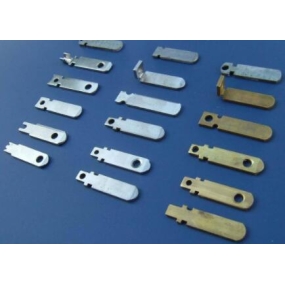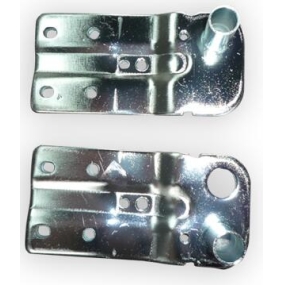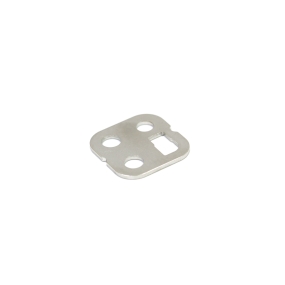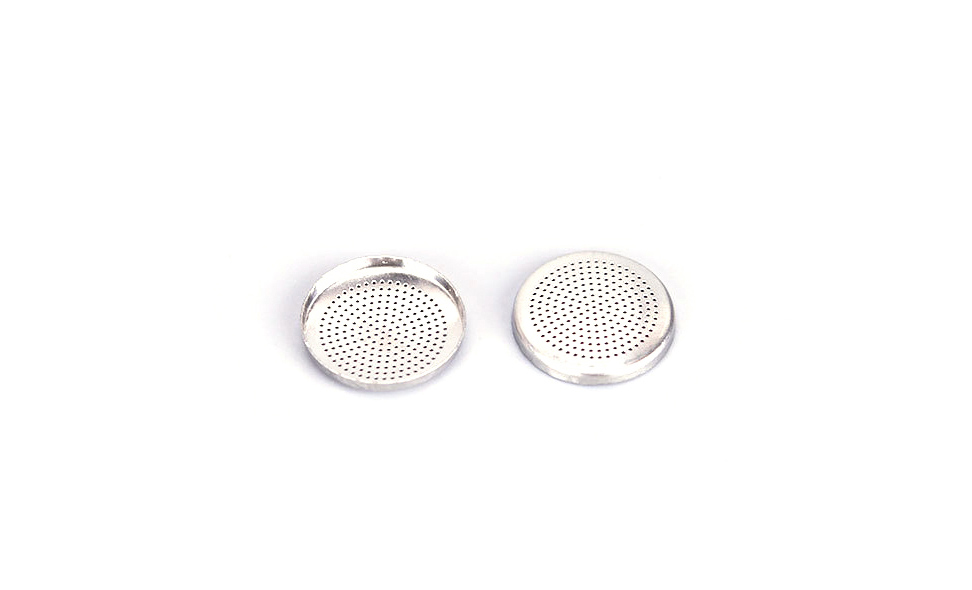
Bluetooth speakers are now widely used in homes, offices, outdoor activities, and entertainment systems. Behind the compact and stylish design of these products is a precise manufacturing process that helps create high-quality components. Bluetooth speaker precision punching is one of the important processes used to produce speaker grilles, covers, housings, and other metal or plastic parts with accurate shapes and sizes.
Many manufacturers may wonder why punching accuracy matters for such small components. A tiny mistake in hole size, position, or shape can affect sound performance, assembly accuracy, and the appearance of the final speaker. By understanding the process, challenges, and benefits of precision punching, companies can make better decisions when selecting manufacturing partners and improving product quality.
Precision punching plays an important role in Bluetooth speaker manufacturing because it creates parts with exact dimensions and consistent quality. Unlike ordinary punching methods, precision punching focuses on high accuracy, smooth edges, and reliable repeatability.
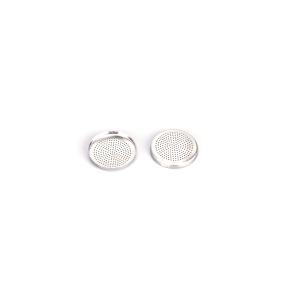
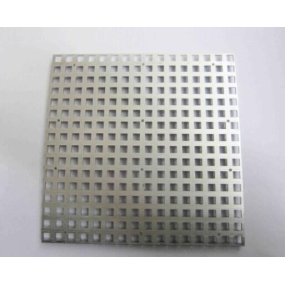
For example, the speaker grille is usually made with many small holes. These holes must have the correct size and spacing so that sound can pass through smoothly while the grille keeps enough strength to protect the internal speaker components. If the holes are uneven or incorrectly positioned, the speaker may have poor sound performance or an unattractive appearance.
The importance of precision punching for Bluetooth speakers is not only related to function but also to design. Modern consumers often choose products based on both performance and appearance. A well-made speaker grille with a clean pattern can improve the overall product image and increase market competitiveness.
One major reason manufacturers use precision punching is to ensure that every component fits correctly. Bluetooth speakers contain many small parts that must work together, including speaker drivers, battery covers, buttons, and protective shells.
For example, a battery compartment cover created through accurate punching can fit tightly and prevent unwanted movement. A loose cover may cause vibration, noise, or poor protection for the battery. Similarly, speaker driver openings must have the correct size and position. Incorrect openings can affect airflow and create sound distortion.
Accurate punching helps manufacturers reduce assembly problems and ensures that the speaker works properly after production.
The appearance of a Bluetooth speaker is another important factor influenced by precision punching. Many premium speakers use decorative metal grilles with detailed hole patterns. Even spacing and consistent hole sizes create a professional and high-end appearance.
For example, a stainless steel grille with a precise geometric pattern can make a compact speaker look more modern and attractive. Poor punching quality, such as uneven holes or rough edges, can reduce the perceived value of the product.
Therefore, precision punching helps manufacturers achieve both functional performance and appealing product designs.
The first step in Bluetooth speaker precision punching is creating an accurate design. Engineers usually use CAD (Computer-Aided Design) software to define the shape, dimensions, hole patterns, and positions of the parts.
For example, when designing a speaker grille, engineers need to define the diameter of each hole, the distance between holes, and the overall pattern. This digital design is then used to create a punching template or program for the punching equipment.
A detailed design reduces errors during production and provides a clear standard for manufacturing.
Choosing the correct material is a key part of the process. The materials used in Bluetooth speaker precision punching usually include stainless steel, aluminum, ABS plastic, and polycarbonate.
Before punching begins, the material must be prepared carefully. This may include cutting the material into suitable sizes, checking thickness, cleaning the surface, and ensuring the material is flat.
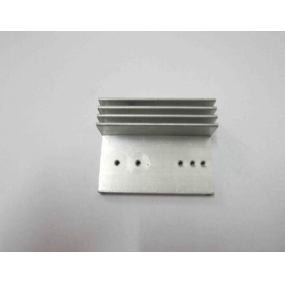
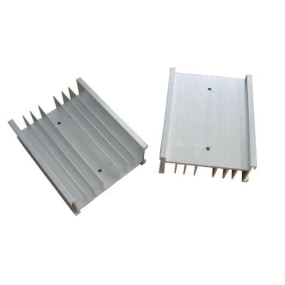
For example, stainless steel is often selected for speaker grilles because it provides good strength, corrosion resistance, and a premium appearance. Aluminum may be used for housings because it is lightweight and helps with heat control.
The actual punching process uses advanced punching machines to create holes, openings, or special shapes according to the design requirements. CNC punching machines are commonly used because they can control punching position, speed, and force accurately.
During production, engineers carefully monitor machine settings. Punching force that is too high may damage the material, while insufficient force may create incomplete cuts or rough edges.
A controlled punching operation ensures stable quality and consistent results across large production quantities.
One of the biggest challenges in Bluetooth speaker precision punching is maintaining accurate dimensions. Bluetooth speaker components are often small, which means even a small error can create problems.
For example, if grille holes are slightly larger than required, sound performance may change. If the holes are not aligned correctly, the grille may not match the speaker housing during assembly.
Manufacturers need advanced equipment, skilled operators, and strict inspection methods to maintain accuracy throughout production.
Punching tools experience continuous pressure during production. Over time, they can become worn or damaged. A worn punching tool may create rough edges, incorrect shapes, or inconsistent hole sizes.
Regular maintenance is necessary to keep the tools in good condition. This includes checking tool sharpness, replacing damaged parts, and adjusting machine settings.
Proper tool management improves production stability and reduces defective products.
Bluetooth speakers often have visible external parts, so surface quality is very important. Scratches, burrs, or uneven edges can affect the final appearance.
Manufacturers must use suitable punching methods and inspection procedures to ensure that finished parts meet appearance standards.
Precision punching has a direct impact on Bluetooth speaker quality, especially sound performance. Speaker grilles and driver openings influence how sound moves through the product.
When holes are accurately punched, sound can spread more evenly. However, poorly produced openings may cause sound reflection, vibration, or distortion.
For example, a carefully designed and punched grille allows a speaker to deliver clearer sound compared with a grille containing inconsistent holes.
Precision punching also improves the durability of Bluetooth speakers. Accurate parts fit together better, reducing gaps, movement, and unnecessary stress on components.
A properly punched battery cover, for example, stays securely attached and protects internal parts during daily use. Strong connections help extend the product lifespan and improve customer satisfaction.
High-accuracy punching reduces assembly problems and production waste. When parts are produced consistently, manufacturers spend less time correcting defects and can maintain more stable production schedules.
Metal materials are widely used in Bluetooth speaker precision punching because they provide strength, durability, and a premium appearance.
These materials help create speaker parts that are both attractive and reliable.
High-quality plastics are also important materials in Bluetooth speaker production. Materials such as ABS and polycarbonate are commonly selected because they are lightweight, impact-resistant, and cost-effective.
For example, a polycarbonate outer shell can protect internal electronic parts while keeping the speaker easy to carry.
The choice of material depends on the speaker design, production requirements, cost targets, and expected performance.
For manufacturers looking for reliable Bluetooth speaker precision punching services, choosing an experienced production partner is essential. EMAR has developed strong capabilities in precision manufacturing and understands the strict requirements of electronic product components.
With skilled technicians, advanced equipment, and experience handling detailed punching requirements, EMAR can produce speaker grilles, covers, and other precision parts with accurate dimensions and stable quality. The company focuses on controlling key factors such as material preparation, punching accuracy, surface quality, and inspection standards.
EMAR applies strict quality control throughout the punching process. Each stage, from design review to final inspection, is carefully managed to ensure that parts meet customer requirements.
By combining manufacturing experience with precision technology, EMAR helps Bluetooth speaker manufacturers reduce production risks and improve final product performance. Reliable punching services allow customers to create speakers with better sound quality, stronger durability, and more attractive designs.
Bluetooth speaker precision punching is a key manufacturing process that affects speaker performance, appearance, and durability. From accurate design and material preparation to careful punching operations and quality inspection, every step influences the final product.
Understanding the importance of precision punching for Bluetooth speakers, the key steps in Bluetooth speaker precision punching, and the challenges in Bluetooth speaker precision punching helps manufacturers choose better production methods and improve product quality. With professional experience and strict quality control, companies like EMAR can provide reliable punching solutions for modern Bluetooth speaker production.