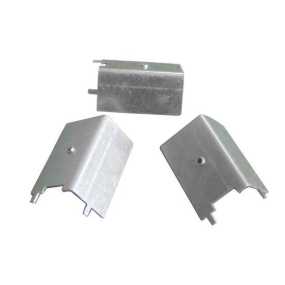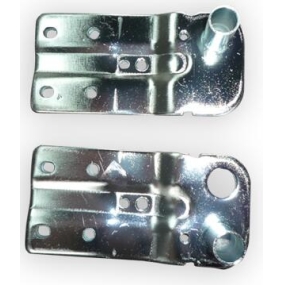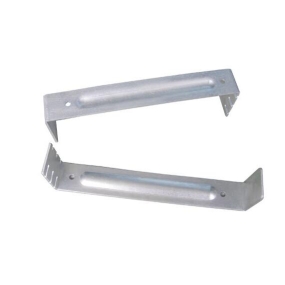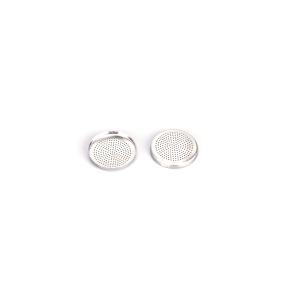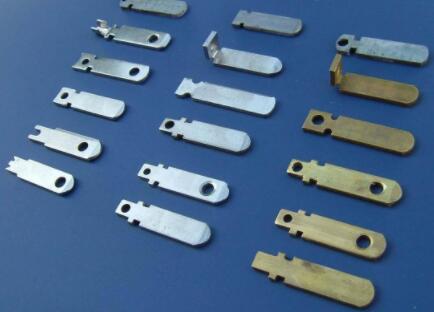
Stamping processing of metal conductive sheets is an important manufacturing method used to produce accurate metal parts that can carry electrical current. These parts are widely used in electronic devices, electrical equipment, automotive systems, communication products, and industrial machines.
Metal conductive sheets need to have good electrical performance, accurate dimensions, and reliable mechanical strength. Through stamping, manufacturers can create large quantities of conductive components with stable quality and controlled production costs.
This article explains the main points of conductive sheet stamping, including material selection, manufacturing steps, design requirements, quality inspection, and ways to achieve cost-effective production.
Metal conductive sheets are thin metal parts that transfer electrical current between different components. They are often used as:
For example, a battery connection sheet in a portable device must maintain stable contact with the battery terminal. If the shape or conductivity is incorrect, the device may experience power loss or overheating. This is why accurate stamping production is important.
Material selection for stamping metal conductive sheets directly affects electrical performance, durability, and manufacturing cost. Different applications require different metal properties.
Copper is one of the most common materials for conductive sheets because it has excellent electrical conductivity. It is suitable for:
Copper is easy to form during stamping and provides good corrosion resistance. However, pure copper is relatively soft, so some applications may require copper alloys for higher strength.
Brass is a copper alloy that combines good conductivity with better hardness. It is commonly used for terminals and connector parts because it can maintain its shape after stamping.
Aluminum is lightweight and has good electrical conductivity. It is often selected for larger conductive parts where reducing weight is important, such as automotive electrical systems.
Stainless steel provides excellent strength and corrosion resistance. Although its natural conductivity is lower than copper, surface treatments or coatings can improve electrical contact performance.
When choosing materials, manufacturers should consider conductivity, strength, corrosion resistance, thickness, forming ability, and production cost.
Stamping process steps of metal conductive sheets usually include several operations. Each step helps create the final shape while maintaining electrical and mechanical requirements.
Metal coils or sheets are cleaned and prepared before stamping. Proper material handling helps prevent scratches and improves production stability.
Blanking cuts the metal sheet into the required basic shape. The cutting tool must be accurate to avoid uneven edges that may affect assembly or electrical contact.
Punching creates holes, slots, and openings in the conductive sheet. These features are usually designed for screws, connectors, positioning, or heat control.
Forming changes the flat sheet into a three-dimensional shape. Bending angles and shapes must be carefully controlled because incorrect forming can affect contact pressure.
Some conductive sheets receive plating or coating, such as tin or nickel plating, to improve corrosion resistance and electrical contact reliability.
Finished parts are checked for size, appearance, and electrical performance before delivery.
For high-volume production, progressive stamping is often used. This method combines several stamping operations into one continuous process, improving efficiency and consistency.
Design considerations in stamping metal conductive sheets influence product performance, manufacturing difficulty, and final cost.
The shape of a conductive sheet should support stable electrical contact. Designers should avoid unnecessary sharp corners because they may increase stress during bending and reduce product life.
The thickness of the metal sheet affects current capacity, strength, and stamping difficulty. Thicker sheets can carry more current but may require stronger stamping equipment.
A larger contact area usually provides better current transfer. Designers should ensure enough surface area for reliable connections.
Conductive components often need accurate dimensions because they must fit precisely with other electronic parts. Small size errors can cause poor connections or assembly problems.
Some conductive sheets carry high current and generate heat. Proper design should consider material thickness, ventilation space, and contact structure to reduce overheating risks.
Quality control in stamping metal conductive sheets ensures that every part meets electrical and mechanical requirements.
Common inspection methods include:
Professional stamping manufacturers use inspection procedures during production instead of only checking finished products. This helps identify problems early and reduces waste.
Cost-efficient stamping of metal conductive sheets requires balancing quality, production speed, and material usage.
Several methods can reduce manufacturing costs:
For example, a company producing thousands of battery contact sheets can lower costs by designing a progressive stamping process that completes cutting, punching, and forming in one production line.
Producing conductive sheets requires experience in material performance, stamping technology, tooling design, and quality control. A professional manufacturer can help customers select suitable materials, optimize designs, and improve production efficiency.
EMAR provides Metal Stamping processing services for conductive sheets, supporting customized solutions for electronic components, electrical products, and industrial applications. With experience in precision stamping, material handling, and quality inspection, EMAR helps customers produce reliable conductive parts that meet different application requirements.
From prototype development to mass production, working with an experienced stamping partner can reduce development risks and improve product consistency.
In summary, stamping processing of metal conductive sheets combines material knowledge, accurate manufacturing processes, careful design, and strict quality control. By selecting the right materials, improving stamping methods, and cooperating with experienced suppliers such as EMAR, companies can achieve reliable conductive components with good performance and competitive costs.