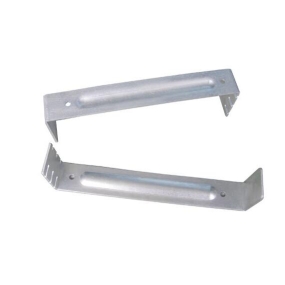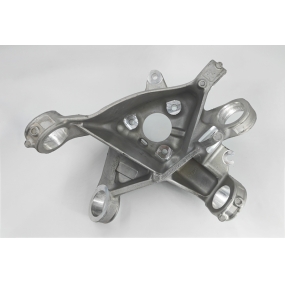

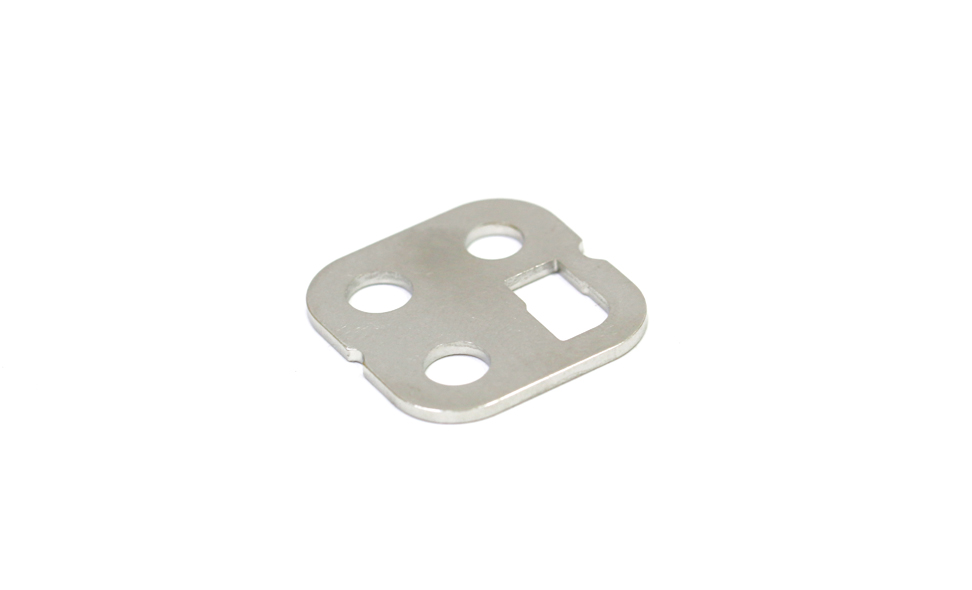
For many manufacturers, producing metal stamping parts is not only about shaping metal. The real challenge is achieving stable quality, accurate dimensions, fast production speed, and reasonable costs at the same time. Poor stamping processes can lead to material waste, part failure, delayed deliveries, and increased manufacturing expenses.
Precision stamping technology for metal stamping parts provides a reliable solution for these challenges. By combining advanced stamping equipment, accurate tooling design, suitable materials, and strict quality control, manufacturers can produce metal parts with high consistency and excellent performance.
Precision stamping is an advanced metal forming process that uses stamping dies and high-performance presses to transform metal sheets into finished or semi-finished components. Compared with traditional stamping methods, precision stamping focuses on tighter tolerances, better surface quality, and higher repeatability.
This technology is widely used for industries that require reliable metal components, such as automotive, electronics, medical equipment, aerospace, communication devices, and industrial machinery.
The main goal of precision stamping is to make every part match the design requirements. Even when thousands or millions of pieces are produced, each component should maintain stable size, shape, and function.
Before choosing a stamping supplier, many customers worry about several practical issues:
A professional precision stamping process should solve these problems from the beginning through proper engineering analysis and manufacturing control.
The stamping die is one of the most important factors affecting part quality. A well-designed die controls material flow, reduces deformation, and improves dimensional accuracy.
Engineers usually analyze product structure, material thickness, bending requirements, and production volume before designing the tooling. This helps avoid problems such as cracks, uneven surfaces, and incorrect dimensions.
Modern stamping machines provide better control of pressure, speed, and positioning accuracy. This allows manufacturers to achieve high-precision stamping for metal stamping parts with strict tolerance requirements.
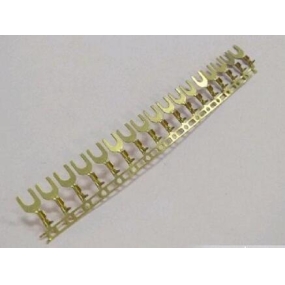
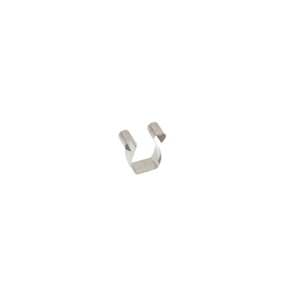
For electronic connectors, automotive clips, and precision brackets, even a small manufacturing error can affect product performance. High-accuracy equipment helps maintain stable production quality.
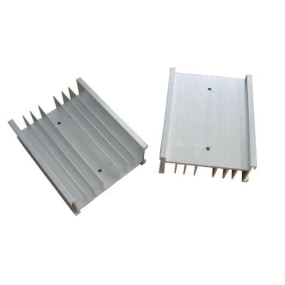
Different applications require different metal materials. Common options include stainless steel, aluminum, copper, carbon steel, and special alloys.
The correct material choice affects strength, corrosion resistance, flexibility, and processing performance. Experienced manufacturers evaluate both product requirements and stamping conditions before selecting materials.
Quality control should run through the entire manufacturing process, not only at the final inspection stage.
This approach helps customers receive stable products and reduces the risk of unexpected production problems.
Many modern products require small and complicated metal components. Traditional manufacturing methods may struggle with these designs because of limited accuracy or high processing costs.
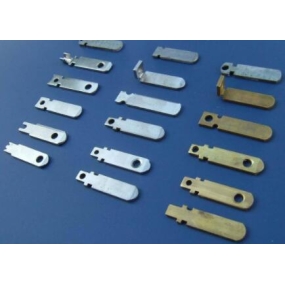
Precision stamping for complex-shaped metal stamping parts allows manufacturers to create detailed components with features such as small openings, fine edges, multiple bends, and special geometries.
For example, a precision electronic contact may require a thin metal structure, accurate spring performance, and smooth edges. Through optimized stamping processes, manufacturers can produce these parts efficiently while maintaining reliable performance.
Customers often believe precision manufacturing means higher costs. However, well-planned precision stamping can actually reduce total production expenses.
Efficient precision stamping of metal stamping parts improves productivity by reducing unnecessary operations, minimizing material waste, and increasing production stability.
A complete manufacturing solution includes:
With proper engineering support, manufacturers can achieve better quality while controlling production budgets.
Choosing the right supplier is important because precision stamping quality depends on more than just machines. Experience in tooling, engineering support, production management, and inspection capability all influence the final result.
A reliable partner can help customers improve product designs, select suitable materials, shorten development cycles, and maintain consistent production quality.
EMAR provides professional CNC processing and precision manufacturing services, supporting customers with advanced machining capabilities, engineering experience, and strict quality management. Combining CNC processing with precision stamping solutions helps create accurate and reliable metal components for different industries.
Before starting a stamping project, customers should consider:
A good manufacturing partner will not only produce parts but also provide suggestions to improve manufacturability and reduce production risks.
Precision stamping technology for metal stamping parts plays an important role in modern manufacturing by providing accurate, efficient, and cost-effective solutions for complex metal components. From advanced tooling design to strict inspection processes, every step affects the final product quality.
For companies looking for reliable metal part production, selecting an experienced supplier with both precision stamping and CNC processing capabilities can help achieve better performance, shorter lead times, and long-term manufacturing stability.
EMAR is committed to helping customers develop high-quality metal components through professional processing technology and practical manufacturing experience.