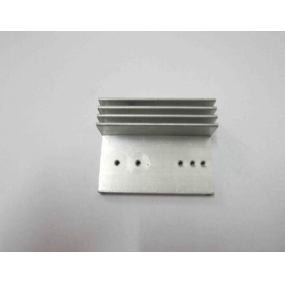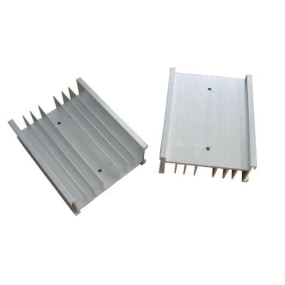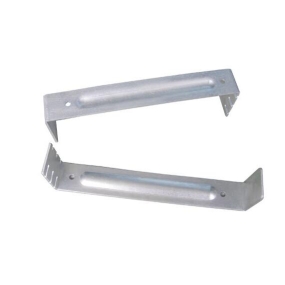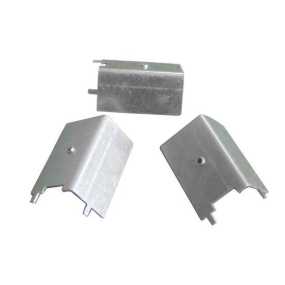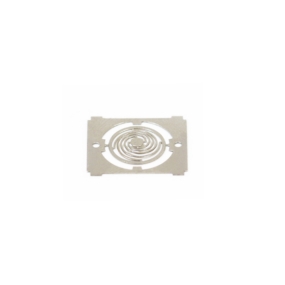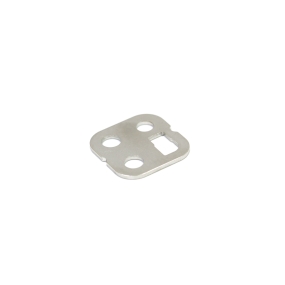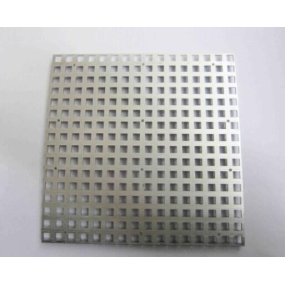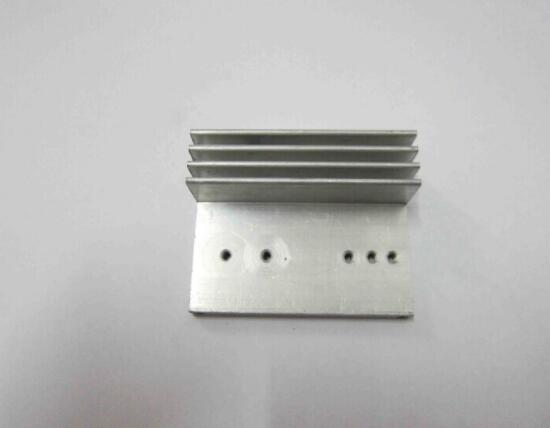
Power dissipation fins are important heat management components used in electronic devices, power supplies, LED lighting systems, electric vehicles, industrial equipment, and communication products. Their main job is to increase the surface area and help heat move away from heat-generating parts.
The stamping of power dissipation fins is a widely used manufacturing method because it can produce large quantities of fins with stable quality, accurate dimensions, and reasonable costs. By using metal sheets and precision stamping tools, manufacturers can create fin structures that improve cooling performance while keeping production efficient.
This guide explains the key points of power dissipation fin stamping, including material choices, stamping methods, design requirements, quality inspection, and ways to achieve cost-effective production.
The material used for power dissipation fins directly affects heat transfer performance, product weight, durability, and manufacturing cost. The most common metals used in the material selection in power dissipation fin stamping process are aluminum and copper.
Aluminum is one of the most popular materials for stamped heat dissipation fins. It provides a good balance between thermal performance, weight, and price.
For example, aluminum stamping fins are commonly used in LED lamps and computer cooling systems where weight and cost control are important.
Copper has higher thermal conductivity than aluminum, making it suitable for applications that require stronger cooling performance.
However, copper is heavier and more expensive than aluminum. Manufacturers usually select copper only when higher heat dissipation performance is needed.
The production process of the stamping of power dissipation fins uses special dies and stamping machines to cut and shape metal sheets into designed fin structures. A well-controlled process ensures that every fin has the correct shape and thickness.
The process begins with selecting metal sheets with suitable thickness and surface quality. The material is cleaned to remove oil, dust, or other contaminants that may affect stamping accuracy.
During stamping, the metal sheet passes through a precision die. The die cuts, bends, and forms the material into fin structures.
Common stamping operations include:
Thickness control is an important part of stamping techniques for power dissipation fins. If the fins are too thick, the product becomes heavier and uses more material. If they are too thin, the fins may become weak or lose their heat transfer ability.
Professional manufacturers use accurate stamping tools and regular measurements to maintain consistent fin thickness throughout production.
A good fin design improves cooling efficiency and ensures the part fits correctly into the final product. The design considerations for power dissipation fin stamping include fin spacing, height, shape, and installation requirements.
The distance between fins affects airflow. If fins are too close together, air cannot move freely, reducing cooling performance. If spacing is too large, the available heat dissipation area may decrease.
Designers usually select spacing based on the working environment, airflow conditions, and cooling requirements.
Higher fins provide a larger surface area for heat release. However, extremely high fins may become difficult to stamp and may reduce structural strength.
A practical design balances cooling performance, material usage, and manufacturing difficulty.
Different applications require different fin shapes:
For example, a compact power supply may use thin folded aluminum fins, while industrial equipment may require stronger copper fins with larger spacing.
Reliable heat dissipation depends on accurate manufacturing. The quality control in power dissipation fin stamping process checks both physical dimensions and cooling performance.
Manufacturers inspect important measurements such as:
Accurate dimensions ensure the fin fits correctly with other components during assembly.
Finished fins may be tested under controlled conditions to confirm their cooling ability. Testing can include temperature measurement, airflow checks, and thermal performance evaluation.
Quality teams also check for problems such as:
These inspections help ensure stable performance in real applications.
Manufacturers need to balance cooling performance and production costs. The cost-efficient stamping of power dissipation fins focuses on reducing waste while maintaining product quality.
For companies producing thousands of cooling components, professional stamping services can provide better consistency and lower overall manufacturing expenses.
Working with an experienced stamping manufacturer helps companies avoid common problems such as incorrect fin dimensions, poor heat transfer, and high production waste.
EMAR provides Metal Stamping solutions for power dissipation fins, supporting customers with material evaluation, precision tooling, production control, and quality inspection. With experience in metal component manufacturing, EMAR helps create reliable heat dissipation parts for different industries and application requirements.
From prototype development to mass production, professional stamping support can help customers achieve stable quality, faster delivery, and better cost control.
The stamping of power dissipation fins combines material science, precision manufacturing, and smart design. By selecting suitable metals, using proper stamping techniques, controlling quality, and optimizing production costs, manufacturers can create efficient cooling solutions for modern electronic and industrial products.