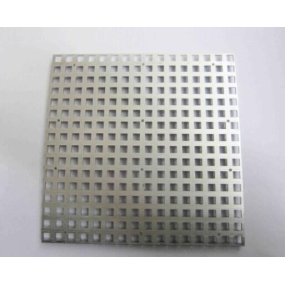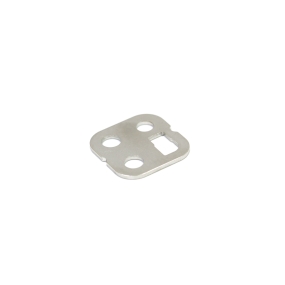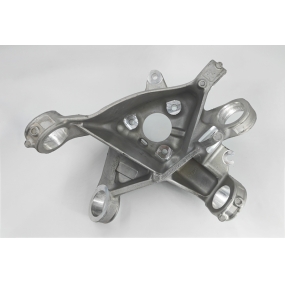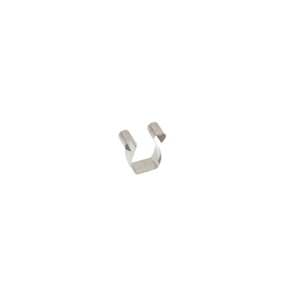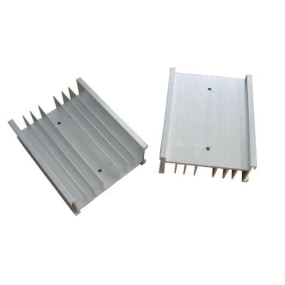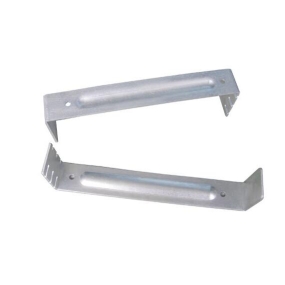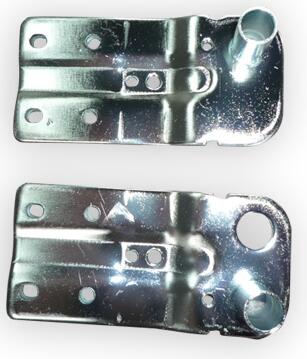
The stamping processing of brazed parts is an important manufacturing method used to produce metal components that will later be joined by brazing. This process combines precision Metal Stamping with brazing technology to create strong, reliable parts for industries such as automotive, electronics, refrigeration, heat exchangers, and industrial equipment.
Many manufacturers choose stamped brazed parts because stamping can produce accurate shapes, consistent sizes, and high production efficiency. However, successful brazing depends on proper material selection, careful stamping design, surface preparation, and strict quality control. Understanding each step helps companies reduce defects and improve product performance.
The stamping processing of brazed parts uses stamping machines and specially designed dies to cut, punch, bend, or form metal sheets into required shapes before brazing. After stamping, the parts are cleaned, inspected, and prepared for brazing, where a filler metal is melted to join the components together.
Unlike ordinary stamped parts, brazed parts must meet additional requirements. The stamped shape must allow proper contact between parts, maintain correct gaps for brazing filler flow, and provide enough strength after heating.
For example, a heat exchanger manufacturer may stamp thin copper sheets into fin structures. These stamped parts must have accurate dimensions so they can be properly assembled and brazed to tubes without leaks.
Choosing the correct material is one of the most important steps in manufacturing brazed parts. The metal must be easy to stamp, strong enough for the application, and suitable for brazing temperatures.
Material selection for stamping brazed parts should consider several factors, including thickness, hardness, conductivity, corrosion resistance, and brazing compatibility. Choosing the wrong material may cause cracks during stamping or poor bonding during brazing.
Professional manufacturers usually evaluate the working environment of the final product before recommending materials. For example, a copper alloy may be ideal for an electrical component, while stainless steel may be better for a part exposed to moisture or heat.
Before stamping begins, proper preparation of the metal material is necessary. Good preparation improves stamping accuracy and helps create a clean surface for later brazing.
Metal sheets often contain oil, dust, oxidation, or other surface contaminants from storage and transportation. These materials should be removed before stamping. Common cleaning methods include:
A clean material surface reduces stamping problems and improves the ability of brazing filler metal to spread evenly.
Before stamping, manufacturers may level metal sheets, adjust thickness, or cut materials into suitable sizes. These steps help ensure stable feeding into stamping equipment.
Pre-stamping for brazed part processing is especially important for thin metal sheets. Without proper preparation, materials may deform unevenly, causing problems during assembly and brazing.
The stamping method must be carefully controlled because brazed parts require both dimensional accuracy and good assembly conditions.
Blanking creates the basic shape of the part, while piercing creates holes or openings. Accurate cutting is necessary because incorrect dimensions can affect the final brazing position.
Bending creates three-dimensional shapes needed for assembly. The forming process must avoid excessive stress because cracks or deformation may reduce brazing quality.
Proper stamping force is important for protecting the material. Too much force may cause cracks, while too little force may create incomplete shapes.
A well-designed stamping die improves production consistency. The die should consider:
Stamping techniques for brazed parts focus not only on making the correct shape but also on creating a part that can be easily and reliably brazed later.
After stamping, parts usually need additional treatment before brazing. These steps improve surface quality and prepare the parts for strong bonding.
A clean and smooth surface helps brazing filler metal flow properly. Common treatments include:
Stamped parts may have sharp edges or small burrs after cutting. These should be removed through deburring or polishing. Smooth edges improve safety, assembly accuracy, and brazing reliability.
Post-stamping treatment for brazed parts ensures that stamped components are ready for the heating process without contamination or assembly problems.
For example, in a refrigeration component, even a small burr or dirty surface may prevent proper brazing and create leakage risks. Careful post-stamping treatment helps avoid these issues.
Strong quality control is necessary throughout the entire manufacturing process. Inspection should begin with raw materials and continue until the stamped parts are ready for brazing.
Before brazing, manufacturers should confirm that:
Quality control in stamping brazed parts processing reduces production failures and improves the reliability of the finished product. A strong inspection system also helps manufacturers maintain stable quality for large production orders.
The production of brazed parts requires experience in material handling, precision stamping, and process control. A reliable supplier can help optimize designs, select suitable metals, and improve manufacturing efficiency.
EMAR provides professional stamping processing services for brazed parts, supporting customers with precision tooling, suitable material recommendations, controlled production processes, and strict quality inspection. With experience in metal stamping applications, EMAR helps customers create stamped components that are prepared for reliable brazing and long-term performance.
Whether the application involves electrical components, automotive parts, heat transfer products, or industrial equipment, choosing the right stamping process can improve product quality and reduce manufacturing risks.
The stamping processing of brazed parts is more than simply shaping metal sheets. It requires careful material selection, proper preparation, accurate stamping techniques, effective post-processing, and complete quality control. When each step is managed correctly, stamped brazed parts can provide strong connections, excellent performance, and reliable service life.