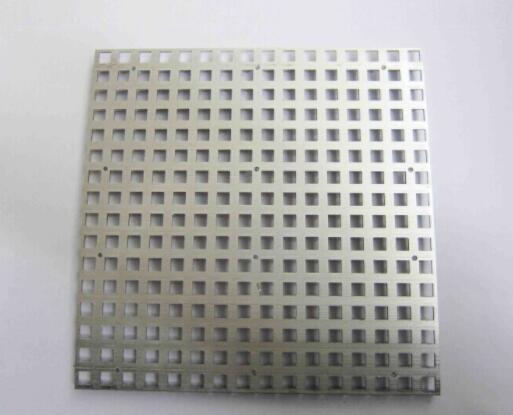
Radiators are important heat management parts used in vehicles, electronic devices, industrial machines, and many other applications. A radiator must remove heat quickly while keeping a stable structure. One common manufacturing method for radiator parts is metal stamping of radiator, which uses special dies and presses to shape metal sheets into fins, covers, channels, and other heat-transfer components.
This manufacturing method offers high production speed, good dimensional accuracy, and lower costs for large-volume radiator production. Understanding the materials, stamping methods, design requirements, and quality controls can help engineers and buyers choose the right radiator manufacturing solution.
Metal stamping of radiator is a process that uses a stamping machine and customized dies to cut, bend, press, or form metal sheets into radiator components. Instead of making each part by hand, stamping allows manufacturers to produce many identical parts with consistent quality.
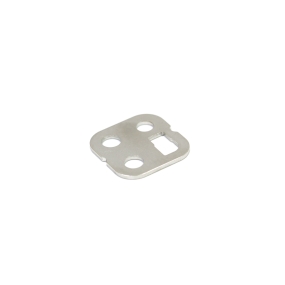
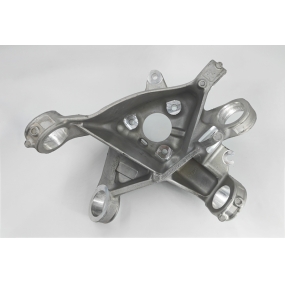
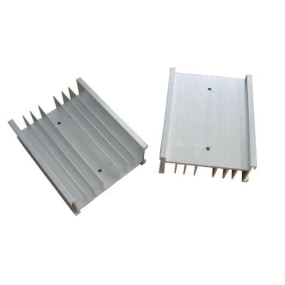
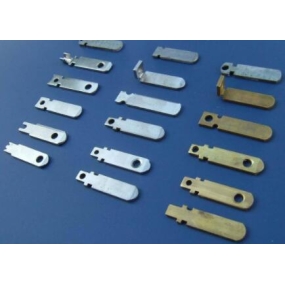
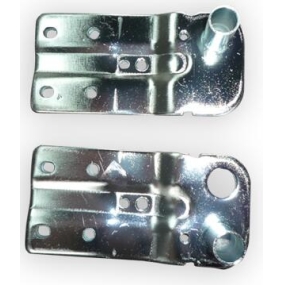
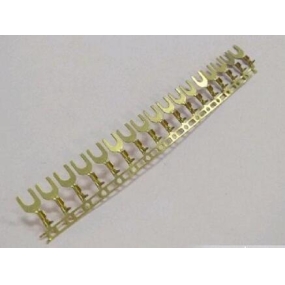
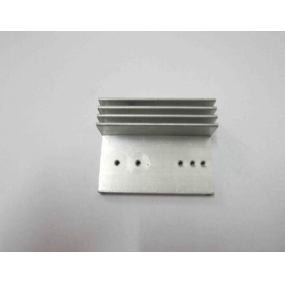
Typical stamped radiator parts include:
For example, in an automotive radiator, thin stamped aluminum fins are placed between cooling tubes. The fins help transfer heat from the hot coolant to the surrounding air, allowing the engine to maintain a safe temperature.
The choice of metal has a direct effect on radiator performance. Good radiator materials need excellent heat transfer ability, suitable strength, corrosion resistance, and easy processing characteristics.
Aluminum is one of the most common materials for radiator stamping. It provides a good balance between heat dissipation, weight, and cost.
Copper has higher thermal conductivity than aluminum, making it suitable for applications where maximum cooling performance is needed.
However, copper is heavier and more expensive than aluminum, so it is often selected for special applications instead of large-volume products.
When considering material selection for metal stamping of radiator, manufacturers should evaluate:
A professional stamping supplier can help select the best metal type according to the radiator's working environment and performance goals.
Different radiator designs require different stamping methods. The main goal is to create accurate shapes while maintaining good heat transfer performance.
Blanking is the first step in many radiator stamping projects. The stamping die cuts metal sheets into the required size and shape. Accurate cutting ensures that later forming processes work correctly.
Radiator fins need a large surface area to release heat efficiently. Stamping machines can create thin, repeated fin structures quickly.
Common fin shapes include:
Stamping can also create channels and curved sections that guide cooling liquid or air. Proper forming helps prevent cracks and keeps the radiator structure strong.
Some radiators have complex shapes that cannot be completed in one operation. Multiple stamping steps may be used, including cutting, bending, forming, and final shaping.
Choosing the right stamping techniques in radiator metal stamping improves production efficiency and reduces material waste.
A good radiator design must balance cooling performance, size limitations, manufacturing difficulty, and cost. Poor design can reduce heat dissipation or increase production problems.
The radiator design should maximize contact between the metal surface and air or cooling liquid. Designers usually consider:
Radiators must fit the available installation space. For example, an automotive radiator must match the vehicle frame, engine area, and connection points.
For electronic devices, stamped radiator parts must fit inside limited spaces while still providing enough cooling capacity.
Simple and practical designs are easier to stamp and usually cost less. Sharp corners, extremely thin sections, or unnecessary complex shapes may increase tooling costs and production risks.
Careful design considerations in metal stamping of radiator help create products that are easier to manufacture and perform better in real applications.
Radiators must provide reliable heat control for long periods. Quality inspection is necessary to ensure every stamped part meets performance requirements.
Manufacturers check important dimensions such as:
Accurate dimensions ensure proper assembly and stable performance.
Radiator samples are tested to confirm they can remove heat effectively. Testing may include checking temperature changes, airflow performance, and cooling efficiency.
Liquid radiators require special attention to prevent coolant leakage. Quality checks may include:
Strong quality management during production improves product reliability and reduces maintenance problems.
Reliable quality control in metal stamping of radiator ensures that stamped components not only look correct but also perform safely in real working conditions.
Cost is an important factor when producing radiators, especially for automotive and industrial markets where large quantities are required.
Cost-efficient metal stamping for radiators can be achieved through several methods:
Although tooling costs may be higher at the beginning, stamping becomes very economical for mass production because each additional part costs less to manufacture.
Working with an experienced stamping supplier helps companies avoid common problems such as incorrect material choices, poor fin design, dimensional errors, and production delays.
EMAR provides professional metal stamping services for radiator components, supporting customers from design review and material selection to precision stamping and quality inspection. With experience in metal processing, EMAR helps create radiator parts that meet requirements for strength, heat dissipation, and production efficiency.
For companies developing new radiator products, cooperation with a skilled stamping manufacturer can reduce development risks and improve overall product quality.
Metal stamping of radiator is an efficient manufacturing method for producing high-quality cooling components. By selecting suitable materials such as aluminum or copper, applying the right stamping techniques, optimizing radiator design, and maintaining strict quality control, manufacturers can achieve reliable heat dissipation and competitive production costs.
Whether for vehicles, electronics, or industrial equipment, a well-designed stamped radiator can provide excellent cooling performance and long service life. Partnering with an experienced supplier like EMAR can help businesses develop practical and cost-effective radiator solutions.