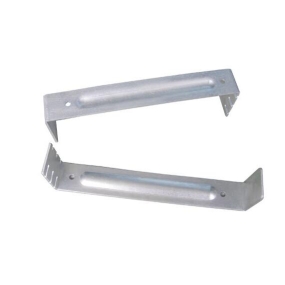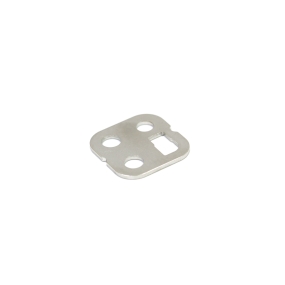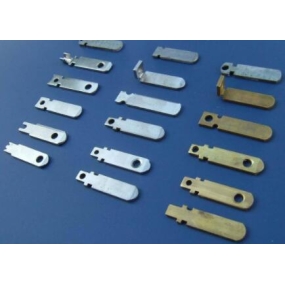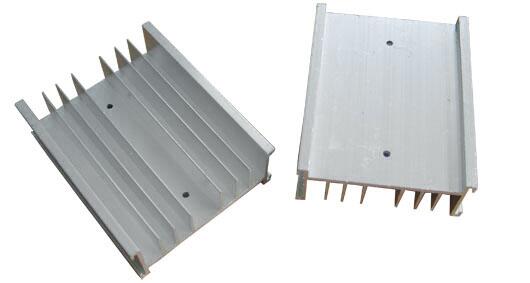
Radiators are important parts used in electronics, vehicles, industrial equipment, and many other applications to control heat. A well-designed radiator can improve product safety, performance, and service life. customized stamping processing for radiators is a manufacturing method that creates radiator parts with accurate shapes, good heat transfer ability, and high production efficiency.
Unlike standard radiator production, customized stamping allows manufacturers to design radiator parts according to specific requirements, such as available space, cooling capacity, product weight, and installation method. By selecting the right materials, designing suitable structures, and controlling every production step, companies can create radiator solutions for different industries.
Different products have different heat control needs. A small electronic device may need a lightweight aluminum radiator, while a high-power industrial machine may require a stronger copper-based cooling part. Customized stamping helps manufacturers produce radiator components that match these special requirements.
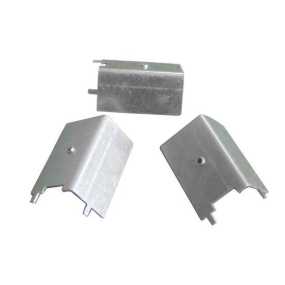
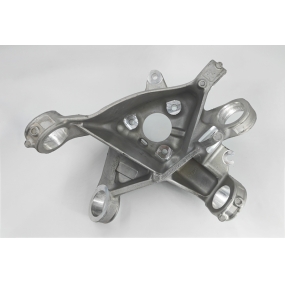
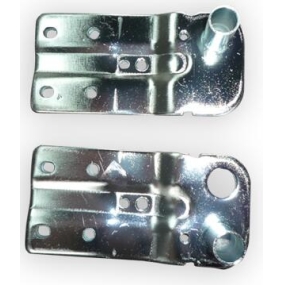
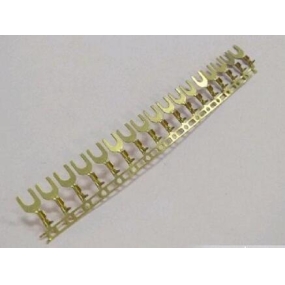
The process uses metal sheets and precision stamping tools to create parts such as fins, covers, brackets, and radiator housings. Compared with manual manufacturing methods, stamping provides consistent quality, faster production speed, and lower cost for medium and large quantities.
Material selection in customized radiator stamping is one of the most important decisions because radiator materials directly affect heat dissipation, weight, durability, and production cost.
Aluminum is one of the most common materials used in radiator stamping. It is popular because it has a good balance of heat transfer ability, lightweight design, and affordable cost.
Copper is another important radiator material. It has higher thermal conductivity than aluminum, which means it can transfer heat more quickly.
For example, a computer power module may use a lightweight aluminum stamped radiator to control cost and weight, while a high-performance industrial controller may choose copper components for better heat removal.
Design aspects of customized stamping for radiators determine how effectively a radiator can remove heat. Good design is not only about appearance but also about improving airflow and heat transfer.
Radiator fins increase the surface area that contacts air. More surface area usually improves cooling performance. Different applications may require different fin designs.
The size of the radiator and the distance between fins must be carefully designed. If fins are too close together, airflow may become limited. If fins are too far apart, the cooling area may not be fully used.
Engineers usually consider the available installation space, heat source power, airflow conditions, and product environment before selecting the best fin density.
The radiator housing must match the final product. For example:
The stamping process of customized radiator parts includes several steps that transform metal sheets into finished radiator components. Each step affects the final quality and performance.
Precision is very important during stamping. Incorrect pressure, poor die design, or inaccurate positioning can cause problems such as uneven fins, cracks, or incorrect dimensions. Professional stamping suppliers use suitable equipment and production controls to maintain stable results.
Quality control in customized stamping for radiators ensures that every radiator part meets design requirements and performs well during actual use.
Manufacturers check important measurements such as length, width, fin height, fin spacing, and mounting hole position. Accurate dimensions ensure that radiator parts fit correctly into the final product.
A smooth and clean surface helps prevent defects and improves product appearance. Quality checks may include checking for scratches, dents, oxidation, and stamping marks.
A radiator must not only have the correct shape but also provide effective cooling. Testing may include checking temperature changes, airflow performance, and heat transfer efficiency under working conditions.
For example, a stamped aluminum radiator used in an LED lamp may be tested to confirm that the operating temperature stays within a safe range during long-term operation.
Cost-efficient customized stamping for radiators requires balancing product performance, manufacturing difficulty, and production volume.
Choosing an experienced manufacturing partner is also important. A reliable supplier can help improve design, select suitable materials, control production costs, and avoid quality problems.
When selecting a radiator stamping supplier, companies should consider experience, engineering ability, production equipment, and quality management systems.
EMAR provides professional customized stamping processing for radiators, supporting customers with material recommendations, precision stamping solutions, and quality control services. With experience in Metal Stamping manufacturing, EMAR helps customers develop radiator components that meet different application requirements while improving production efficiency.
A good manufacturing partner does more than produce parts. They work with customers during the design stage to find practical solutions, reduce manufacturing risks, and create radiator products with reliable performance.
customized stamping processing for radiators is an effective way to produce high-quality cooling components for different industries. Choosing the correct material, designing suitable fins and housings, controlling the stamping process, and performing strict quality inspections are key steps for successful radiator production.
Whether the goal is lightweight design, stronger cooling performance, or lower production cost, customized radiator stamping provides flexible solutions. Working with an experienced partner such as EMAR can help businesses create reliable radiator parts while achieving better manufacturing efficiency and long-term value.