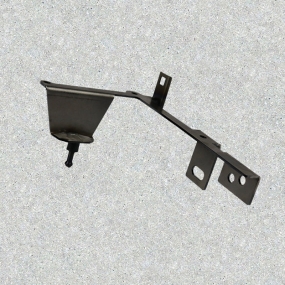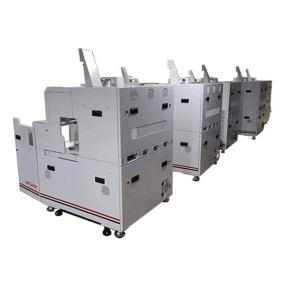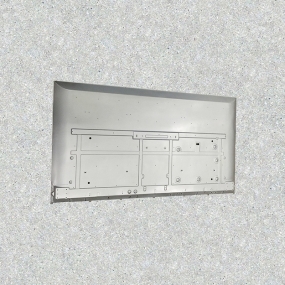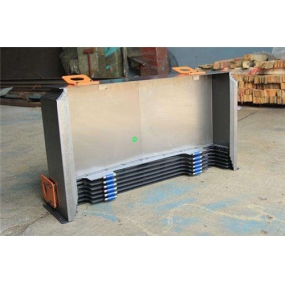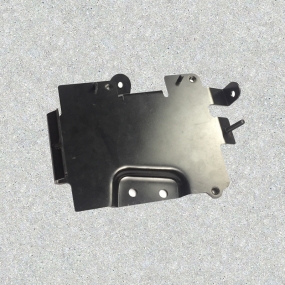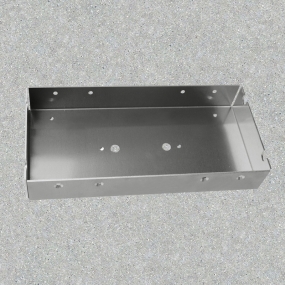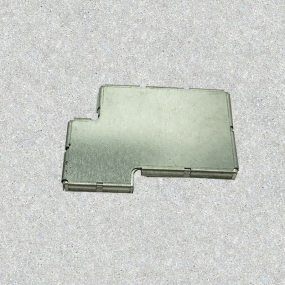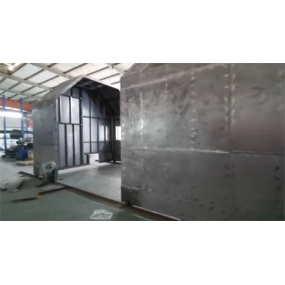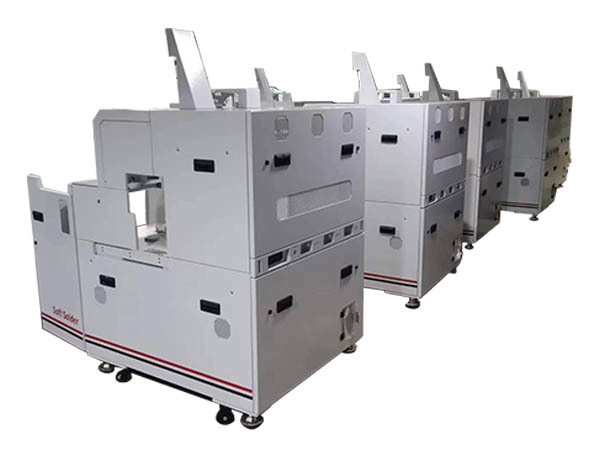
Chassis sheet metal processing is an important manufacturing process used to create strong and reliable chassis structures for automotive, electronic equipment, industrial machines, and many other products. The chassis is the foundation that supports internal components, protects important parts, and helps the entire product work safely and efficiently.
Many manufacturers need to understand how chassis sheet metal processing works because the quality of the chassis directly affects product strength, durability, and performance. From material selection to cutting, bending, welding, and inspection, every step plays an important role in creating a high-quality final product.
A chassis is more than just a metal frame. It provides structural support and creates a safe space for different components. In a vehicle, the chassis supports the engine, suspension system, and body structure while helping the vehicle handle external forces. In electronic equipment, the chassis protects sensitive components from impact, vibration, and environmental conditions.
The importance of chassis sheet metal processing comes from its ability to turn flat metal sheets into accurate, durable, and functional structures. Poor processing may cause problems such as incorrect assembly, weak strength, vibration issues, or a shorter product lifespan.
For example, an industrial machine with a poorly manufactured chassis may experience deformation under heavy loads. This can affect the alignment of internal parts and reduce production efficiency. A properly processed chassis, however, provides stable support and allows the machine to operate smoothly for a longer time.
One of the main reasons for chassis sheet metal processing is to ensure structural integrity. A well-made chassis must handle weight, pressure, vibration, and external forces without losing its shape.
For example, a large printing machine requires a strong chassis to support motors, rollers, and other heavy components. If the sheet metal is cut, bent, or welded incorrectly, the chassis may become weak and deform during high-speed operation. This can lead to equipment failures and higher maintenance costs.
Accurate processing helps manufacturers create chassis structures that remain stable under demanding working conditions. This improves product safety and reliability.
Another key function of chassis sheet metal processing is creating precise spaces for internal components. Modern products often contain many parts that must fit together perfectly.
For example, a computer server chassis needs accurate positions for motherboards, storage devices, cooling fans, and power supplies. If the sheet metal dimensions are incorrect, components may not fit properly or may become loose during operation.
Precise chassis processing allows different parts to be installed easily and ensures the complete product functions correctly.
Cutting is usually the first step in chassis sheet metal processing. It changes large metal sheets into pieces with the required shapes and sizes.
Common cutting methods include laser cutting, CNC cutting, and shearing. Laser cutting is widely used because it provides high accuracy and can create complex shapes. For example, a high-end audio equipment chassis may require detailed ventilation holes and cable openings. Laser cutting can produce these designs with clean edges and accurate dimensions.
Shearing is often used for simple straight cuts and large-volume production because it is efficient and cost-effective.
Accurate cutting creates a strong foundation for the following processing steps and reduces material waste.
Bending gives flat metal sheets a three-dimensional shape. This process is usually completed with a press brake machine that controls bending angle, pressure, and position.
For example, a laptop chassis needs carefully controlled bending to form the outer shell while maintaining a precise fit for the internal electronics. Incorrect bending may cause gaps, uneven surfaces, or difficulty during assembly.
Manufacturers must also consider material characteristics such as elasticity. Some metals may return slightly to their original shape after bending, a problem known as spring-back. Proper machine settings help achieve the required final shape.
When a chassis consists of multiple metal parts, welding is used to connect them into one strong structure. Common welding methods include MIG welding and TIG welding.
For heavy equipment, MIG welding is often selected because it provides strong joints and high production efficiency. TIG welding may be used when cleaner and more precise welds are required.
After welding, additional parts such as brackets, hinges, and mounting plates may be installed. Proper welding and assembly ensure that the chassis can support all required components.
Choosing the right material is a critical part of chassis manufacturing. Different applications require different levels of strength, weight, corrosion resistance, and cost control.
Steel is one of the most commonly used materials for chassis sheet metal because it offers high strength and good cost performance.
Mild steel is suitable for products where affordability is important, such as some equipment housings and general-purpose chassis structures. High-strength steel is used for applications that require greater load-bearing ability, such as construction machinery and heavy vehicles.
Aluminum is another popular choice because it is lightweight and resistant to corrosion. In automotive applications, aluminum chassis parts can help reduce vehicle weight and improve energy efficiency.
The material selection for chassis sheet metal should consider several important properties:
For example, equipment used near the ocean may require stainless steel or specially coated metals because corrosion protection is especially important.
Accurate dimensions are essential for a successful chassis. Quality control teams use tools such as calipers, measuring equipment, and coordinate measuring machines (CMM) to check important sizes and positions.
For example, a robotic machine chassis must have precise dimensions so that robotic arms and moving parts can operate correctly. Even a small size error may affect movement accuracy and reduce production quality.
Structural testing ensures that the chassis can handle real working conditions. Manufacturers may perform load tests, vibration tests, and fatigue tests to check durability.
For example, a vehicle chassis may experience repeated stress during driving. Testing helps confirm that the structure can maintain strength over a long service period.
Strong quality control reduces production risks and helps customers receive reliable products.
The quality of chassis sheet metal processing directly affects product performance. A precise and strong chassis creates a stable platform for internal components.
For example, in a sports car, a rigid chassis improves handling because the suspension system can work more effectively. In industrial robots, a stable chassis supports accurate movement and improves manufacturing precision.
High-quality chassis processing also increases product lifespan. A properly manufactured chassis can resist deformation, wear, and corrosion for many years.
For example, an outdoor electrical cabinet requires a durable chassis to protect internal electrical systems from rain, dust, and temperature changes. A strong chassis reduces repair needs and lowers long-term costs.
EMAR has professional experience in chassis sheet metal processing and understands the requirements of different industries, including automotive, electronics, and industrial equipment manufacturing.
With knowledge of cutting, bending, welding, assembly, and material selection, EMAR can provide solutions based on specific product requirements. The company focuses on creating chassis structures that offer reliable strength, accurate dimensions, and long-term durability.
EMAR also applies strict quality control methods throughout the manufacturing process. By checking dimensions, inspecting structures, and improving production accuracy, EMAR helps customers receive high-quality chassis products that support better final product performance.
Chassis sheet metal processing is a key manufacturing process that influences the strength, function, and lifespan of many products. Understanding the processes involved, selecting suitable materials, and applying effective quality control are essential for producing reliable chassis structures.
From automotive systems to industrial machines and electronic equipment, a well-designed and properly processed chassis provides the foundation for product success. With professional capabilities and quality-focused manufacturing methods, EMAR supports customers in achieving dependable chassis solutions for different applications.