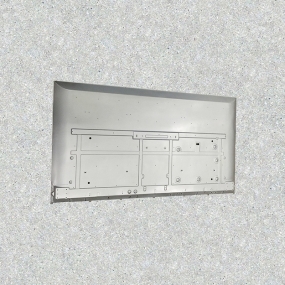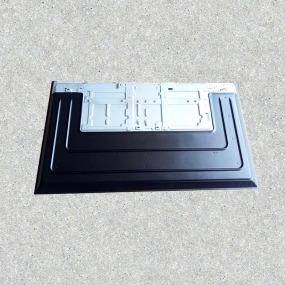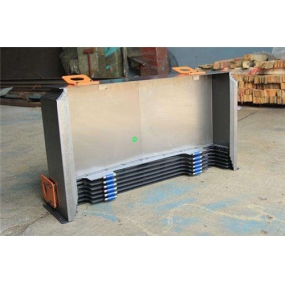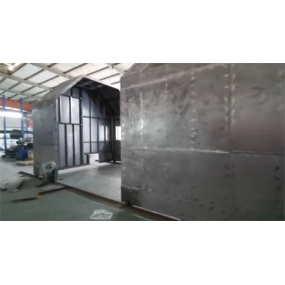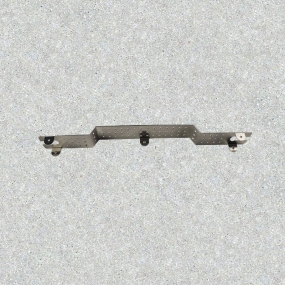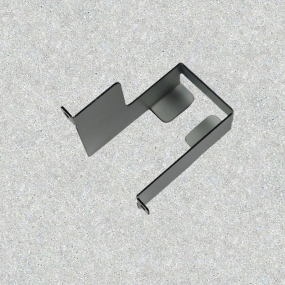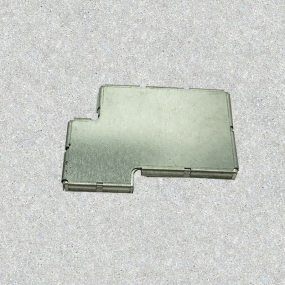

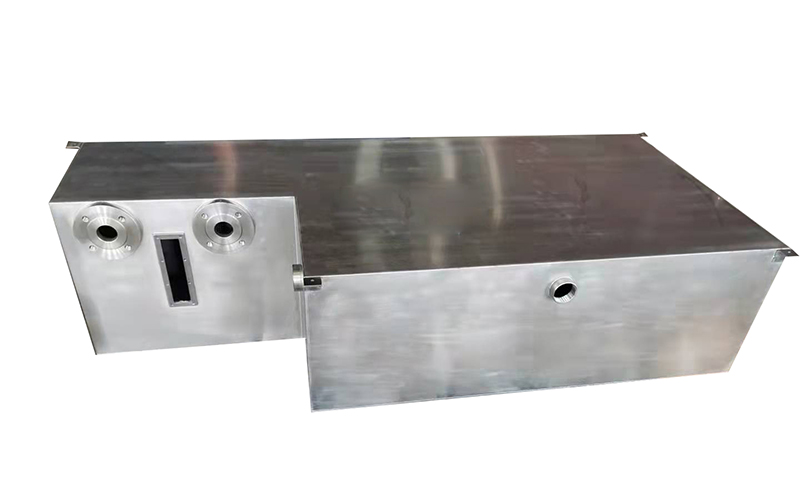
Water tanks are used in many industries, including manufacturing, agriculture, food processing, construction, and water treatment systems. A well-made water tank must be strong, safe, and able to work for many years. This is why professional sheet metal processing of water tank plays an important role in tank manufacturing.
Many customers have concerns before choosing a sheet metal processing supplier. They want to know how to prevent leaks, how to control costs, how to choose the right materials, and how to make sure the final water tank meets their requirements. Understanding the key steps of sheet metal processing can help customers make better decisions.
Sheet metal processing is the process of cutting, bending, welding, and finishing metal sheets to create water tank parts and structures. The quality of these processes directly affects the tank's strength, appearance, and service life.
A poorly processed water tank may have problems such as:
Professional processing helps avoid these problems by controlling every production step, from material selection to final inspection.
Different water tank applications require different materials. Stainless steel is often selected for applications that need clean water storage and strong corrosion resistance. Carbon steel may be suitable for some industrial tanks when proper surface protection is added.
For customers looking for sheet metal processing for corrosion-resistant water tank solutions, material selection is one of the most important decisions. The wrong material can increase repair costs and reduce the tank's working life.
Welding is a critical step in water tank production. Poor welding can create weak points where cracks or leaks may appear over time.
Reliable manufacturers use accurate welding methods and inspection processes to improve the strength of tank joints. For customers needing sheet metal processing for leak-proof water tank production, careful welding control is essential.
Large water tanks require accurate processing because even small errors can affect assembly and performance. Metal sheets must be cut and formed with precision to ensure all parts fit correctly.
For projects involving sheet metal processing for large-sized water tank products, advanced CNC equipment can help improve accuracy, reduce production errors, and maintain consistent quality.
The metal sheets are selected according to the tank's usage, environment, and required strength.
Computer-controlled cutting machines create accurate shapes and sizes, reducing material waste and improving production efficiency.
The sheets are formed into the required shapes while maintaining proper dimensions.
Individual parts are joined together to create a strong tank structure.
The finished tank is checked for appearance, strength, and possible defects before delivery.
Customers often worry about receiving products that look good but fail during actual use. To avoid this problem, manufacturers should focus on strict quality control during the entire production process.
Sheet metal processing quality for water tank depends on several factors:
These quality controls help ensure that water tanks can handle daily use, pressure changes, and different working environments.
Cost is another common concern for customers. A lower price does not always mean better value. Poor-quality processing may lead to repairs, replacement costs, and production delays.
Sheet metal processing cost for water tank is affected by:
Working with an experienced processing company can help optimize designs, reduce unnecessary waste, and achieve a better balance between cost and quality.
Every project has different requirements. Some customers need special sizes, unique shapes, or specific connection designs. Standard products may not always meet these needs.
Professional sheet metal processing customization for water tank allows manufacturers to create solutions based on customer drawings, application environments, and performance requirements.
EMAR provides CNC processing services with advanced equipment and professional manufacturing experience. The company supports customized sheet metal parts production, helping customers improve accuracy, production efficiency, and product reliability for different water tank applications.
A water tank is a long-term investment. Choosing a reliable sheet metal processing partner can reduce risks and improve product performance.
Whether you need a small customized tank part or a large industrial water tank structure, professional CNC sheet metal processing can provide a reliable manufacturing foundation.
Sheet metal processing of water tank is not only about cutting and forming metal sheets. It involves material selection, precision manufacturing, welding quality, surface protection, and strict inspection. These factors decide whether a water tank can provide safe and durable performance.
By choosing an experienced CNC processing supplier like EMAR, customers can achieve better product quality, reasonable processing costs, and customized solutions that meet their specific requirements.