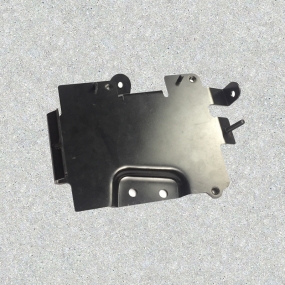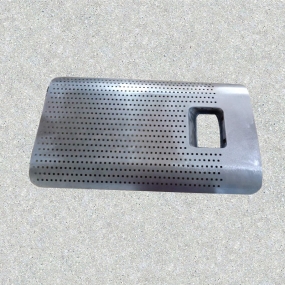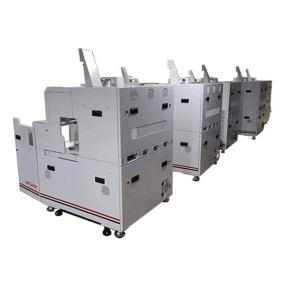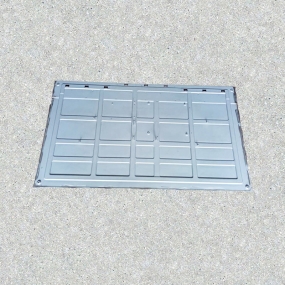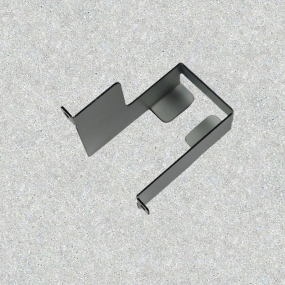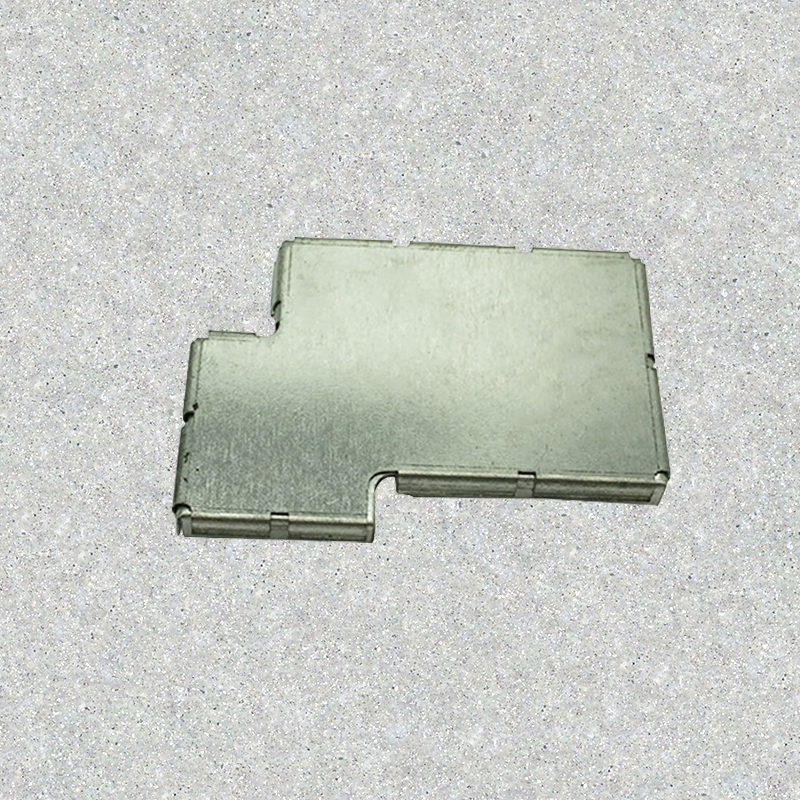
Mobile phones contain many electronic components that generate electromagnetic signals during operation. These signals can interfere with each other and affect phone performance. A mobile phone shielding cover is a small metal part designed to block electromagnetic interference (EMI) and protect sensitive circuits.
The sheet metal processing of mobile phone shielding cover is an important manufacturing process that turns thin metal sheets into accurate shielding parts. This process requires careful material selection, advanced forming methods, strict quality control, and professional manufacturing experience. Choosing the right processing partner helps mobile phone manufacturers produce stable, reliable, and high-performance devices.
A mobile phone shielding cover is usually installed over chips, processors, communication modules, and other electronic parts. Its main purpose is to reduce electromagnetic interference and protect internal components from external signals.
Because mobile phones are becoming thinner and more powerful, shielding covers must meet several requirements:
Unlike simple metal parts, shielding covers require very small dimensions and high manufacturing accuracy. This makes professional sheet metal processing essential.
The first step in manufacturing a shielding cover is choosing the correct metal material. Different metals provide different levels of conductivity, strength, corrosion resistance, and processing performance.
Good material selection for mobile phone shielding cover sheet metal processing depends on the phone design, working environment, cost target, and shielding requirements. For example, a premium smartphone may use lightweight aluminum parts, while industrial communication devices may require stronger stainless steel shielding.
The manufacturing process of shielding covers involves several steps. Each step must be carefully controlled because even small errors can affect assembly and shielding performance.
Stamping is one of the most common methods for producing mobile phone shielding covers. A metal sheet is placed into a stamping mold, and a stamping machine applies pressure to form the required shape.
Advantages of stamping include:
Laser cutting uses a focused laser beam to cut metal sheets into precise shapes. It is useful for prototypes, small production runs, and designs with complex openings.
Laser cutting helps manufacturers create accurate holes, slots, and special structures without damaging the metal surface.
Some shielding covers require bending to create side walls or special shapes. Professional forming equipment ensures that the metal maintains the correct angle without cracks or deformation.
After forming, shielding covers may receive surface treatments such as cleaning, polishing, coating, or plating. These processes improve appearance, corrosion resistance, and long-term reliability.
Understanding the processing techniques in mobile phone shielding cover sheet metal processing helps companies choose suitable manufacturing methods based on product requirements and production volume.
Mobile phone components have very limited installation space. A shielding cover that is slightly too large, too small, or incorrectly shaped may not fit correctly during assembly.
The main precision requirements include:
In many mobile phone applications, manufacturers require very tight tolerances because the shielding cover works in a small electronic space. Professional equipment and experienced operators are necessary to achieve stable results.
The precision requirements for mobile phone shielding cover sheet metal processing are especially important during mass production. A reliable supplier must maintain consistent quality from the first part to the final batch.
Quality control ensures that every shielding cover meets both mechanical and electrical requirements. A professional manufacturer does not only check the appearance but also tests performance and reliability.
Strong quality management reduces production problems and helps smartphone manufacturers avoid delays caused by defective components.
Effective quality control in mobile phone shielding cover sheet metal processing requires both advanced inspection equipment and experienced quality engineers who understand electronic component standards.
Although shielding covers are small parts, their production can involve several challenges:
Solving these challenges requires advanced manufacturing equipment, professional engineering support, and continuous quality improvement.
EMAR provides professional sheet metal processing solutions for mobile phone shielding covers. With experience in precision metal manufacturing, EMAR supports customers from design evaluation to mass production.
EMAR's role in mobile phone shielding cover sheet metal processing includes:
For companies developing mobile phones, communication equipment, or electronic products, working with an experienced sheet metal manufacturer can reduce development risks and improve product reliability. EMAR focuses on delivering practical manufacturing solutions that meet the demanding requirements of modern electronic components.
When selecting a supplier for mobile phone shielding covers, companies should consider the following points:
The sheet metal processing of mobile phone shielding cover is a key manufacturing process that combines material knowledge, precision forming, and strict quality control. From selecting the right metal to applying accurate processing methods, every step affects the final shielding performance and product reliability.
As mobile phone designs continue to become smaller and more advanced, manufacturers need experienced partners who can provide stable and customized metal processing solutions. With professional capabilities in precision sheet metal manufacturing, EMAR helps customers produce high-quality mobile phone shielding covers that meet modern electronic industry demands.