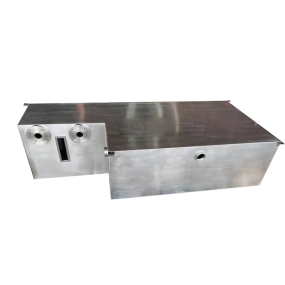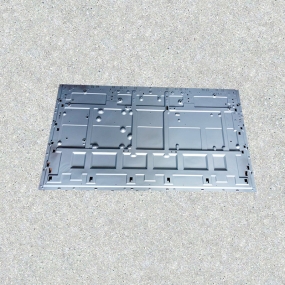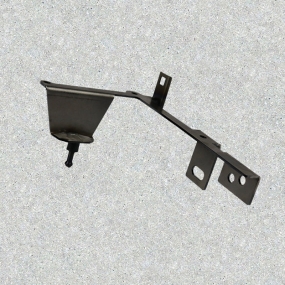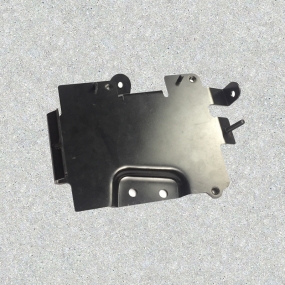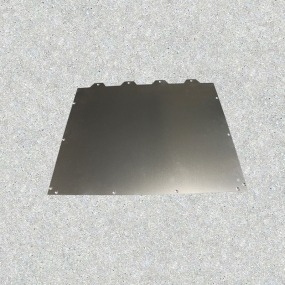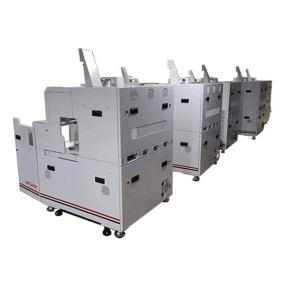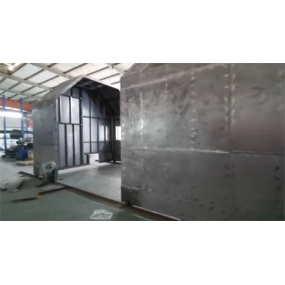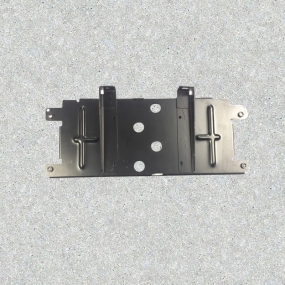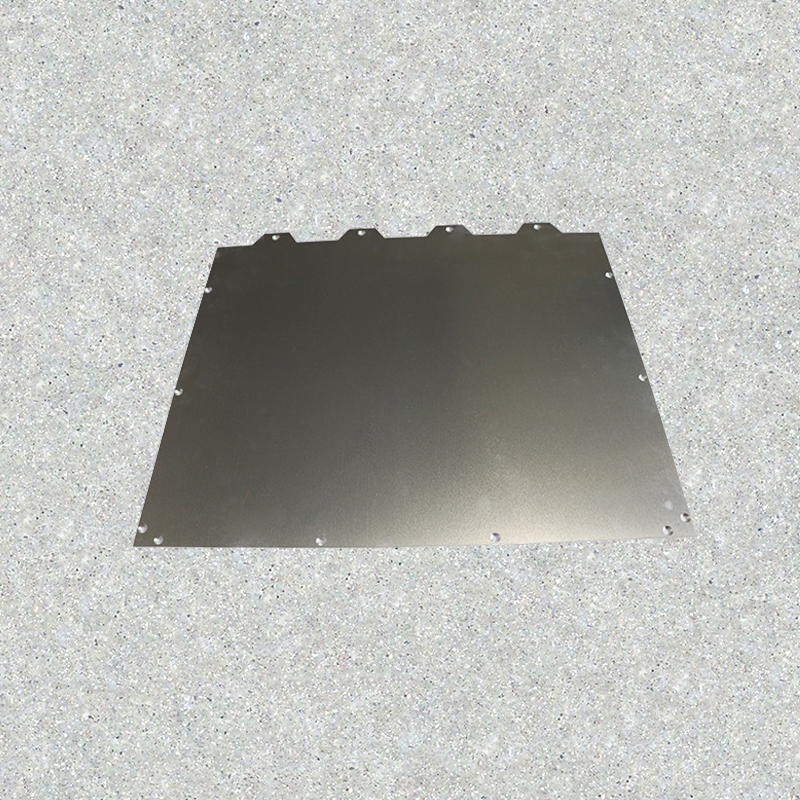
A backboard is an important structural part used in many products and systems, including electronic equipment, industrial machines, control cabinets, automotive applications, and display systems. A well-made backboard provides support, protection, and a reliable mounting surface for other components.
Customized sheet metal processing backboard services help companies create backboards that match specific sizes, shapes, functions, and installation requirements. Unlike standard metal plates, customized backboards are designed according to the customer’s application needs. This makes them more suitable for products that require accurate fitting, strong support, and professional appearance.
This article explains the key factors involved in customized sheet metal processing backboards, including material selection, manufacturing methods, design requirements, precision control, and quality inspection.
Different industries have different requirements for backboards. A small electronic device may need a lightweight and precise backboard, while industrial equipment may require a stronger metal structure that can handle vibration and heavy loads.
Customized processing offers several advantages:
For example, a control cabinet manufacturer may need a backboard with multiple mounting holes for electrical components. A customized design ensures that each component can be installed quickly and safely without additional modification.
Material selection in customized sheet metal backboard processing is one of the first and most important steps. The selected metal affects the backboard’s strength, weight, corrosion resistance, cost, and service life.
Aluminum is commonly used when lightweight design and corrosion resistance are important.
For example, aluminum backboards are often used in electronic equipment, communication devices, and lightweight industrial products.
Steel is chosen when higher strength and durability are required.
For example, a machine control system may use a steel backboard because it needs to hold electrical parts securely while resisting vibration.
The correct material depends on factors such as product weight, working environment, budget, and required service life.
Processing techniques for customized sheet metal backboards determine the final shape, accuracy, and performance of the product. Modern sheet metal manufacturing uses several processes to transform flat metal sheets into finished backboards.
Cutting is usually the first manufacturing step. It creates the basic shape and openings required for the backboard.
Common cutting methods include:
Accurate cutting helps ensure that mounting holes, edges, and component positions match the design drawings.
Bending gives the sheet metal the required three-dimensional shape. A flat metal sheet can be folded into a stronger structure with improved stiffness.
For example, a backboard with bent edges can resist deformation better than a simple flat plate. This design is useful for equipment that experiences movement or vibration.
Forming processes create special shapes, reinforcement areas, or structural features. Additional operations may include drilling, tapping, welding, and surface finishing.
A professional manufacturer combines different processing methods to achieve the required function while keeping production efficient.
Design considerations in customized sheet metal backboard processing directly influence installation convenience, product performance, and manufacturing cost.
The backboard size should match the equipment structure. Designers need to consider available space, component arrangement, and installation methods.
A well-designed backboard avoids problems such as:
Mounting holes must be accurately placed so that components can be installed correctly. Incorrect hole locations may increase assembly time or require extra modification.
Before production, engineers usually confirm hole sizes, hole spacing, and connection methods with customers.
A customized backboard should work smoothly with existing parts. Designers consider cable routing, component locations, ventilation needs, and future maintenance requirements.
For example, an electronic cabinet backboard may need reserved space for wiring channels and equipment installation brackets.
Precision requirements in customized sheet metal backboard processing are important for achieving accurate assembly and reliable performance.
Typical precision factors include:
Depending on the application, sheet metal backboards may require different tolerance levels. Products used in precision equipment usually need tighter control, while general industrial structures may allow larger tolerances.
Experienced manufacturers use accurate measuring tools and production checks to maintain stable quality during manufacturing.
Quality control in customized sheet metal backboard processing ensures that every finished product meets customer expectations for performance and appearance.
Important inspection steps include:
For example, before delivery, a manufacturer may check a batch of backboards using measuring equipment and visual inspection methods to confirm that they match the customer’s drawings.
EMAR provides professional customized sheet metal processing services to help customers develop reliable backboards for different applications. With experience in sheet metal manufacturing, EMAR focuses on suitable material selection, accurate processing, flexible customization, and strict quality inspection.
From simple metal plates to complex backboard structures with precise holes and formed sections, EMAR works with customers to create solutions that meet practical production needs.
By combining engineering experience, modern processing equipment, and quality management, EMAR helps businesses achieve customized backboards that offer good strength, accurate fitting, and long-term reliability.
A customized sheet metal processing backboard is more than a simple metal plate. It is a carefully designed component that supports equipment performance, installation efficiency, and product reliability.
Choosing the correct material, using suitable processing techniques, planning the design properly, controlling precision, and applying strict quality checks are essential steps for producing high-quality backboards.
Whether for electronics, industrial equipment, automotive systems, or other applications, customized sheet metal processing provides a flexible solution for creating backboards that meet specific customer requirements.