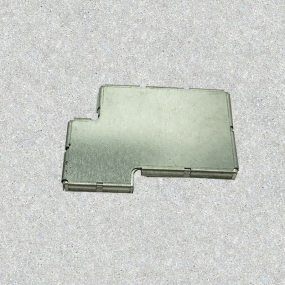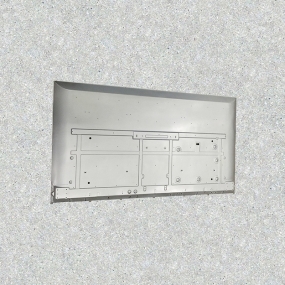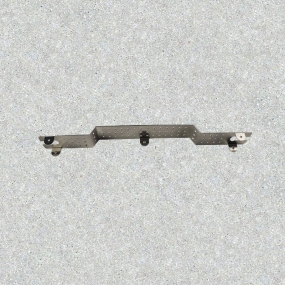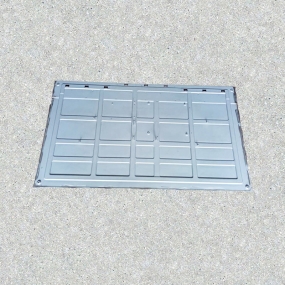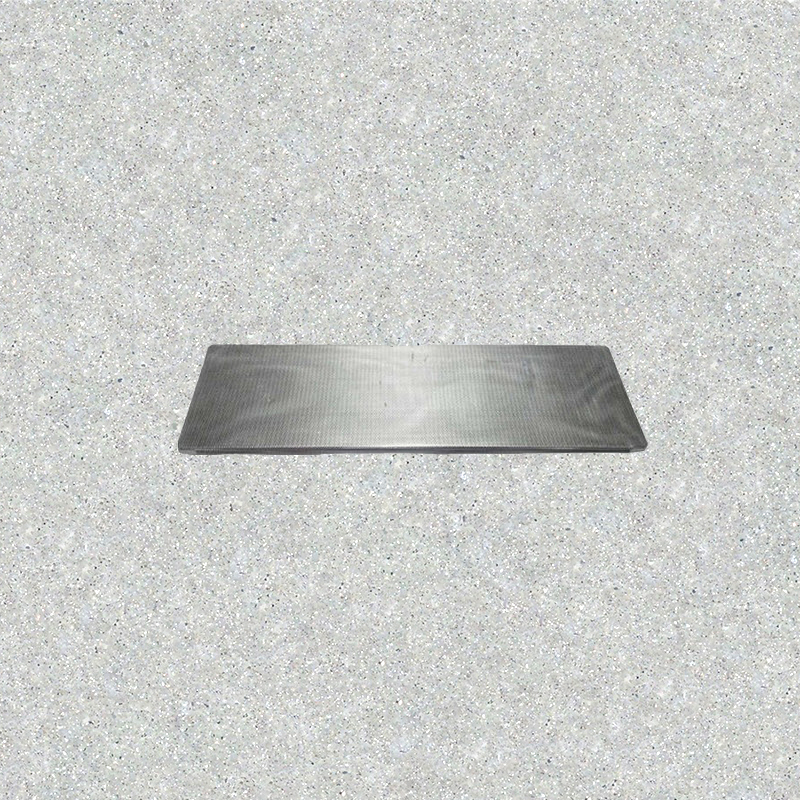
Customized iron mesh sheet metal is a flexible metal processing solution used to create mesh panels, protective screens, filters, fences, supports, and many other industrial products. By adjusting the material, mesh pattern, size, shape, and surface finish, manufacturers can produce iron mesh products that match different project requirements.
For companies that need strong, reliable, and accurately made metal mesh products, understanding the material options, manufacturing methods, design factors, and quality standards is important. This guide explains the key points of customized iron mesh sheet metal in simple language and provides practical advice for selecting the right solution.
Choosing the correct material is the first step in producing high-quality iron mesh. Different iron materials provide different levels of strength, corrosion resistance, weight, and cost. The main types of iron in customized iron mesh include mild steel, galvanized iron, and other treated iron materials.
Mild steel is one of the most commonly used materials for customized iron mesh sheet metal. It contains a low amount of carbon, making it easy to cut, bend, weld, and form into different shapes.
Galvanized iron has a zinc coating on the surface. This coating helps protect the metal from rust and corrosion, making it suitable for outdoor environments.
Depending on the application, manufacturers may also use special iron alloys or apply additional coatings to improve performance. For example, powder coating can add color, improve appearance, and provide another protective layer.
Modern metal processing methods allow iron mesh products to be customized for different industries. The main customization techniques for iron mesh sheet metal include weaving, welding, cutting, forming, and surface treatment.
The weaving method creates mesh by crossing iron wires together in specific patterns. This process is often used when flexibility and uniform openings are needed.
Welded iron mesh is made by connecting metal wires or bars at crossing points through welding. This creates a stronger and more stable structure.
After producing the mesh, manufacturers can cut it into specific sizes and shapes. Advanced cutting equipment helps create accurate edges, holes, and special designs.
Bending and forming processes allow flat mesh sheets to become three-dimensional parts, such as covers, cages, protective boxes, and equipment guards.
Surface treatment improves appearance and extends product life. Common treatments include:
The flexibility of customized iron mesh makes it useful in many industries. The applications of customized iron mesh sheet metal range from construction projects to farming and industrial equipment.
In construction, iron mesh is widely used because it provides strength while allowing air, light, and visibility to pass through.
Farmers often use customized iron mesh for animal protection and farm management.
Factories and workshops use iron mesh sheet metal for safety, filtration, and equipment protection.
For example, a factory may require a custom welded iron mesh guard around a machine. The manufacturer can design the exact dimensions, add mounting holes, and apply a protective coating to match the working environment.
Good design ensures that the finished product performs well and fits the intended application. The main design considerations in customized iron mesh include mesh size, shape, dimensions, strength requirements, and installation method.
Mesh size affects airflow, visibility, filtration ability, and strength. A smaller opening provides more protection, while a larger opening allows better airflow and easier viewing.
Customized iron mesh can be produced in many shapes, including flat panels, curved sections, frames, and special structures. Before production, customers should provide accurate measurements and explain how the product will be installed.
Design should consider where the mesh will be used. Outdoor products may need galvanized treatment, while industrial products may require thicker materials for higher strength.
A practical example is an outdoor security fence near a coastal area. Because salt and moisture can speed up corrosion, galvanized iron mesh with a protective coating is usually a better choice than untreated mild steel.
Reliable quality control ensures that customized products meet customer expectations. The quality control of customized iron mesh sheet metal covers every stage, from raw material selection to final inspection.
Before production starts, manufacturers check the incoming materials. Important checks include:
During manufacturing, workers and quality teams monitor important production steps:
Before delivery, finished iron mesh products should be checked for:
A professional supplier should provide more than just manufacturing. They should understand customer requirements, recommend suitable materials, control production quality, and support customized designs.
EMAR provides customized iron mesh sheet metal services with experience in metal cutting, forming, welding, and surface finishing. The company focuses on helping customers create reliable mesh products for construction, industrial, agricultural, and commercial applications.
When selecting a supplier, customers should consider:
Customized iron mesh sheet metal is a practical solution for many industries because it combines strength, flexibility, and design freedom. By understanding materials, processing methods, applications, design factors, and quality control steps, customers can make better decisions and receive products that meet their real needs.