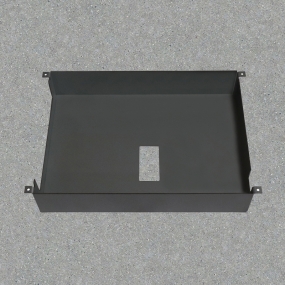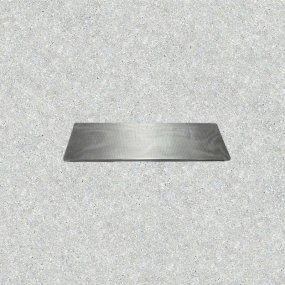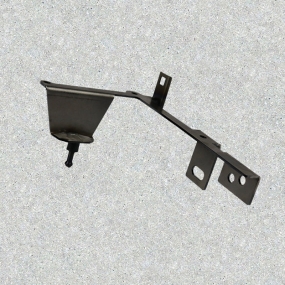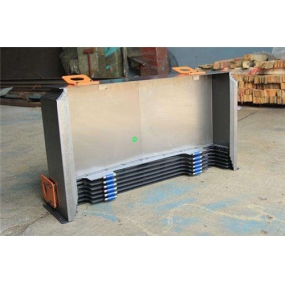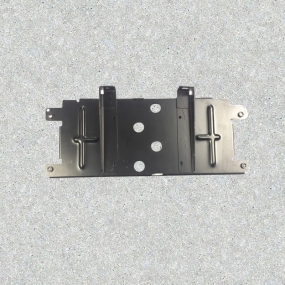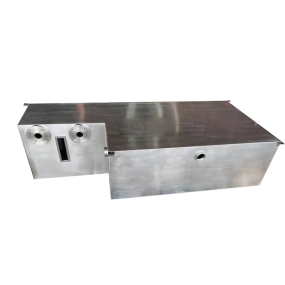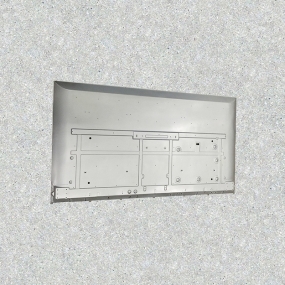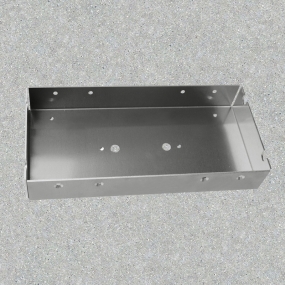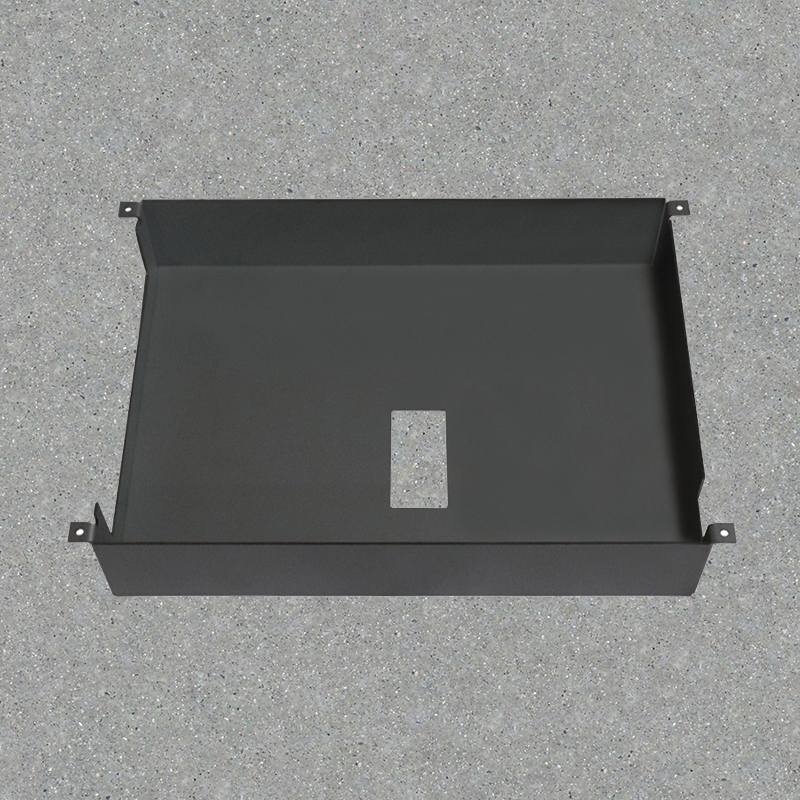
A sheet metal processing cabinet is a strong and practical storage solution made from metal sheets through professional manufacturing processes. These cabinets are widely used in factories, workshops, laboratories, electrical equipment rooms, and industrial workplaces because they provide durability, safety, and efficient storage.
Understanding how these cabinets are made helps buyers choose the right product for their needs. Important factors include material selection, structural design, manufacturing methods, quality inspection, and user comfort. A reliable manufacturer can customize cabinets according to different applications, working environments, and storage requirements.
A sheet metal processing cabinet is a storage cabinet produced by cutting, bending, assembling, and finishing metal sheets. Unlike ordinary furniture, industrial metal cabinets are designed to handle heavier loads, frequent use, and demanding working conditions.
These cabinets can be customized in different sizes, shapes, and functions. For example, a factory may need a cabinet with strong shelves for tools, while an electrical workshop may require a cabinet with cable openings, ventilation holes, or special protection features.
The quality of a cabinet depends on several elements, including the selected metal materials, manufacturing accuracy, welding quality, surface treatment, and final inspection.
The choice of material directly affects cabinet strength, weight, corrosion resistance, and service life. Different industries may require different metals depending on the working environment.
Steel is one of the most common materials used for sheet metal processing cabinets because it offers high strength and good durability.
Aluminum is another popular choice for sheet metal cabinets. It is lighter than steel while still providing good strength.
When selecting materials for sheet metal processing cabinet production, manufacturers consider factors such as load requirements, environment, budget, and expected service life.
Good cabinet design is not only about appearance. A well-designed cabinet improves storage efficiency, safety, and user experience.
Adjustable shelves allow users to change storage space according to different items. For example, a maintenance workshop can store small tools on upper shelves and larger equipment on lower shelves by adjusting shelf positions.
Drawers help organize small parts, screws, electronic components, and hand tools. Smooth drawer movement and strong drawer structures improve daily working efficiency.
Security is an important part of industrial cabinet design. Cabinets may include key locks, digital locks, or central locking systems to protect valuable tools, documents, and equipment.
Ergonomics in sheet metal processing cabinet design focuses on making cabinets safer and easier to use. Important considerations include:
For example, a technician who uses tools many times a day benefits from a cabinet with easy-to-reach drawers and organized storage areas.
The manufacturing process of sheet metal processing cabinet includes several important steps. Each step influences the final quality and performance of the cabinet.
The process starts with cutting metal sheets into required shapes and sizes. Modern manufacturers often use CNC cutting equipment to improve accuracy and reduce material waste.
After cutting, the metal sheets are bent into cabinet panels, doors, shelves, and supporting structures. Precise bending ensures that all parts fit together correctly during assembly.
Welding connects different metal parts into a strong cabinet structure. Skilled welding helps improve load capacity and long-term durability.
Some cabinets may also use screws, rivets, or special fasteners depending on the design requirements. The assembly method is selected based on strength, maintenance needs, and production efficiency.
Finishing improves both appearance and protection. Common finishing methods include:
Quality control in sheet metal processing cabinet production ensures that every cabinet meets performance and safety expectations. Professional manufacturers inspect cabinets throughout the production process, not only after completion.
Manufacturers check cabinet dimensions, hole positions, bending angles, and assembly accuracy. Correct dimensions ensure that doors, drawers, and accessories work properly.
Welding areas are checked to confirm strong connections. Good weld quality prevents cracks, deformation, and structural problems during long-term use.
The surface is inspected for coating thickness, color consistency, scratches, and other defects. A high-quality finish improves appearance and protects the cabinet from corrosion.
Final inspections may include checking door movement, lock operation, drawer performance, and overall cabinet stability.
Sheet metal processing cabinets are used in many industries because they combine strength with flexible customization.
For example, an automotive repair workshop may choose a steel cabinet with strong drawers and locking features to store heavy tools safely. A laboratory may prefer stainless steel cabinets because they are easier to clean and maintain.
Choosing the right manufacturer is important because cabinet quality depends heavily on production experience and technical capability.
A professional supplier should provide:
EMAR provides customized sheet metal processing cabinet solutions for different industries. With experience in metal fabrication, precision processing, and quality management, EMAR can help customers develop cabinets that match their storage needs, environmental conditions, and product specifications.
A sheet metal processing cabinet is more than a simple storage product. Its performance depends on suitable materials, smart design, accurate manufacturing, and strict quality control.
By understanding materials for sheet metal processing cabinet, design features of sheet metal processing cabinet, manufacturing process of sheet metal processing cabinet, quality control in sheet metal processing cabinet, and ergonomics in sheet metal processing cabinet, buyers can make better decisions and choose cabinets that provide long-term value.
Whether used in factories, workshops, laboratories, or commercial environments, a professionally manufactured metal cabinet offers reliable storage, improved workplace organization, and lasting performance.