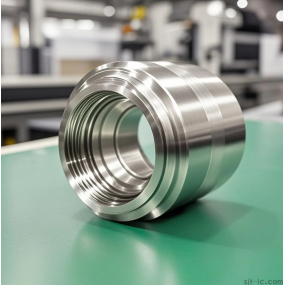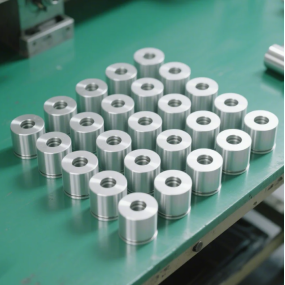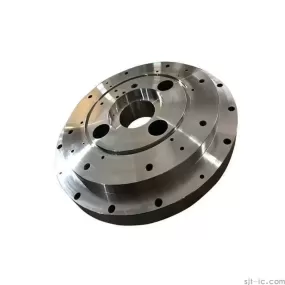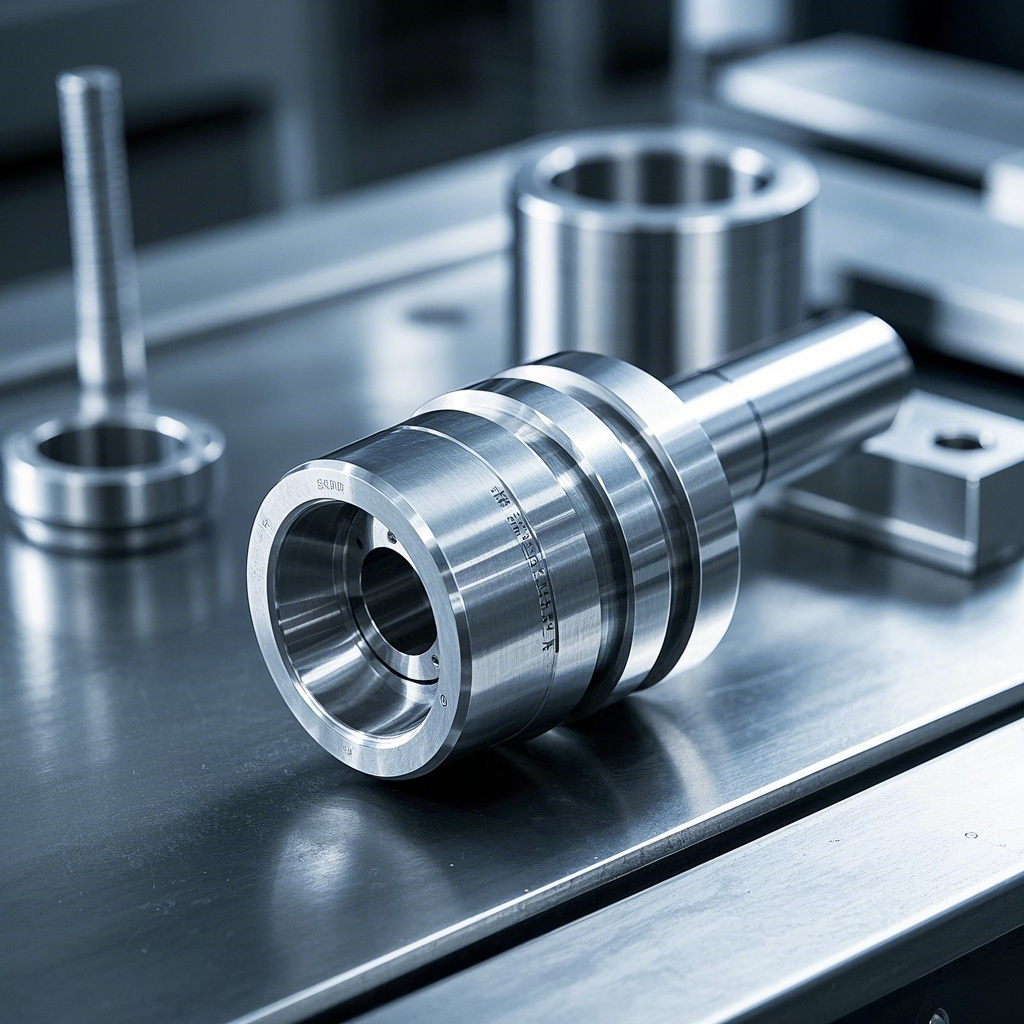
Stainless steel is one of the most widely used materials in industrial manufacturing because of its strength, corrosion resistance, and long service life. However, producing high-quality stainless steel components requires advanced technology, experienced engineers, and strict quality control.
Precision CNC Stainless Steel Machining Services for Industrial Applications help manufacturers create accurate, reliable, and customized parts for industries such as food processing, pharmaceuticals, chemical manufacturing, automotive, construction, and industrial equipment. The precision of these parts directly affects product safety, equipment performance, and production efficiency.
For companies choosing a machining partner, common concerns include material challenges, machining accuracy, production costs, delivery reliability, and customization ability. A professional CNC Machining provider, such as EMAR, combines advanced CNC equipment, skilled technicians, and strict inspection systems to deliver stainless steel parts that meet demanding industrial requirements.
Precision is a key factor in industrial stainless steel machining because even small errors can affect the performance and safety of complete systems. CNC-machined stainless steel components often work in environments where accuracy, cleanliness, and durability are essential.
In industries such as food processing and pharmaceuticals, stainless steel parts must maintain high hygiene standards. Precision machining ensures that surfaces are smooth, dimensions are accurate, and connections fit correctly. This helps prevent material buildup, contamination risks, and production interruptions.
In chemical manufacturing, precise stainless steel components help maintain the safety and reliability of equipment. For example, accurately machined stainless steel valves, connectors, and pipelines reduce the risk of leakage when handling corrosive chemicals.
Construction and infrastructure projects also depend on precision stainless steel machining. Properly manufactured stainless steel brackets, supports, and structural components provide better strength and stability. Poor machining accuracy may cause incorrect assembly, weak connections, or even structural problems over time.
For example, an inaccurately machined stainless steel pipe fitting may create gaps that lead to leaks. Similarly, an incorrectly manufactured structural component may reduce the load-bearing capability of a building system. These examples show why precision is not only about appearance but also about safety and long-term performance.
Understanding stainless-steel properties for industrial CNC machining is important because stainless steel behaves differently from materials such as aluminum or mild steel. Its special properties provide many industrial advantages but also create machining challenges.
Stainless steel contains chromium, which creates a thin passive oxide layer on the surface. This layer protects the material from rust and chemical corrosion, making stainless steel ideal for industries that require clean and durable components.
However, the same corrosion-resistant characteristics can make machining more difficult. During cutting operations, stainless steel may create built-up edges on cutting tools, reducing cutting accuracy and shortening tool life. Proper tool selection and cutting conditions are necessary to maintain precision.
Many stainless steel grades, such as 316L and 410, provide excellent strength and toughness. These properties allow components to handle heavy loads, high pressure, and harsh environments.
At the same time, high strength increases machining difficulty. Stronger materials require durable cutting tools and carefully controlled machining parameters. Incorrect settings can cause excessive tool wear, poor surface finishes, and higher production costs.
Stainless steel has a tendency to become harder when it is mechanically processed. This process is called work hardening. If cutting tools repeatedly pass over the same area without removing enough material, the surface can become harder and more difficult to machine.
To prevent work hardening, CNC operators must use proper cutting speeds, feed rates, and tool paths. Experienced machining providers understand these material behaviors and adjust processes accordingly.
The machining processes for industrial stainless-steel precision involve multiple CNC operations designed to create accurate parts with excellent surface quality. Each process requires proper equipment, tooling, and machining strategies.
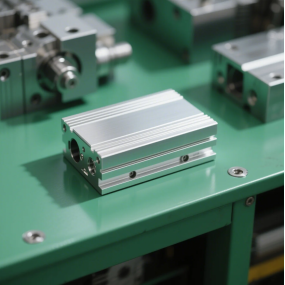
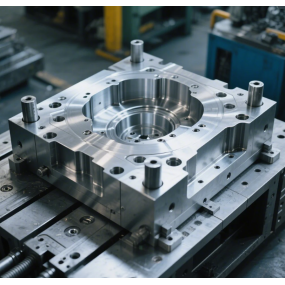
CNC milling is commonly used to create flat surfaces, slots, pockets, holes, and complex three-dimensional shapes in stainless steel parts. It is widely used for manufacturing machine components, fixtures, housings, and custom industrial parts.
Carbide-tipped end mills are often selected because they provide high wear resistance and can handle stainless steel machining conditions. Proper coolant application is also important because stainless steel generates significant heat during cutting. Coolant helps remove heat, protect cutting tools, and improve surface quality.
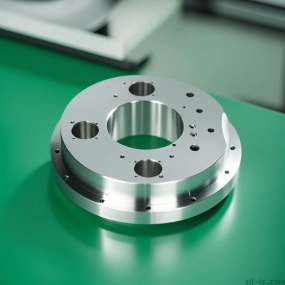
CNC turning is used to manufacture cylindrical stainless steel parts such as shafts, bushings, pins, and pipes. During turning, the workpiece rotates while cutting tools remove material to achieve the required diameter and shape.
Carbide inserts with stainless steel-specific geometries are commonly used because they provide better cutting performance and longer tool life. Operators must carefully control spindle speed, feed rate, and depth of cut to achieve accurate dimensions and smooth surface finishes.
Drilling and boring stainless steel require careful control because stainless steel can quickly damage cutting tools if incorrect methods are used. Cobalt-based or carbide drill bits are often selected for their strength and heat resistance.
Proper drilling techniques include creating pilot holes when needed, maintaining stable tool movement, and using correct speeds and feed rates. For long-hole machining, equipment such as steady rests may be required to prevent vibration and improve accuracy.
Strong quality control is essential for producing reliable stainless steel components. Quality control in industrial stainless-steel CNC ensures that every part meets required dimensions, material specifications, and performance standards.
During CNC machining, professional manufacturers use precision measurement equipment such as calipers, micrometers, and coordinate measuring machines (CMMs) to inspect parts at different production stages.
Real-time monitoring systems can identify machining deviations early. If the CNC machine moves away from the programmed path, operators can make immediate adjustments to prevent defective parts and reduce material waste.
Before delivery, stainless steel components may undergo several final inspections, including:
Following industry standards and customer-specific requirements helps ensure consistent quality. Companies like EMAR use professional inspection methods to support customers who require dependable precision CNC stainless steel parts for industrial applications.
Many manufacturers worry that stainless steel machining is expensive because of material costs, tooling requirements, and longer processing times. However, proper planning can improve cost-effectiveness in industrial stainless-steel machining without reducing quality.
Different stainless steel grades provide different levels of performance and cost. Choosing the correct grade based on the application helps balance quality and budget.
For example, stainless steel 304 is often suitable for general industrial applications where extreme corrosion resistance is not required. In more demanding environments involving chemicals or salt exposure, higher-performance grades such as 316L may be a better choice.
Because stainless steel is tough and can cause tool wear, proper tooling strategies are important for controlling costs. Manufacturers can reduce expenses by:
Experienced CNC machining providers improve efficiency by combining technical knowledge with optimized production planning. This helps customers receive high-quality parts at competitive prices.
Different industries often require unique stainless steel components that cannot be produced with standard parts. Customization in industrial stainless-steel CNC services allows manufacturers to create parts that match specific equipment designs and production requirements.
Modern CNC machining uses CAD/CAM software to transform digital designs into accurate physical components. Engineers can create complex shapes, special dimensions, and functional features while maintaining tight tolerances.
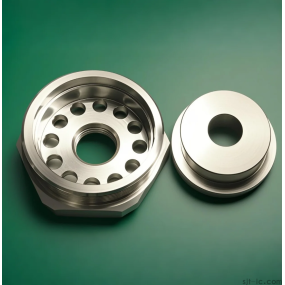
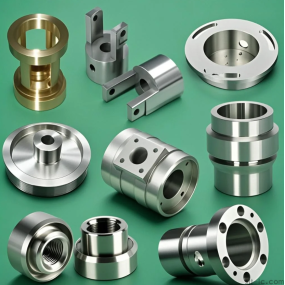
Examples of customized stainless steel CNC parts include:
A capable CNC machining partner can review customer drawings, recommend suitable materials and processes, and produce customized stainless steel components with consistent accuracy.
Selecting the right supplier is important for the success of any industrial machining project. A reliable provider should have advanced CNC equipment, experienced engineers, strong inspection systems, and the ability to handle different stainless steel grades.
EMAR provides professional precision CNC stainless steel machining services for industrial applications, supporting customers with machining expertise, quality management, and customized manufacturing solutions. By focusing on accuracy, efficiency, and customer requirements, EMAR helps industries build reliable products and improve production performance.
Precision stainless steel machining is more than simply cutting metal. It requires a complete understanding of material properties, machining technology, quality standards, and application needs. Choosing a skilled CNC machining partner ensures that stainless steel components deliver the strength, safety, and reliability required in modern industrial environments.