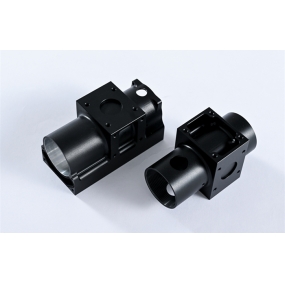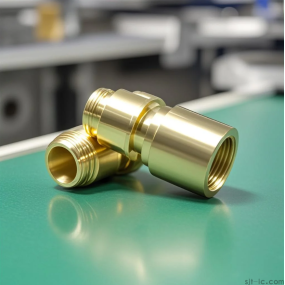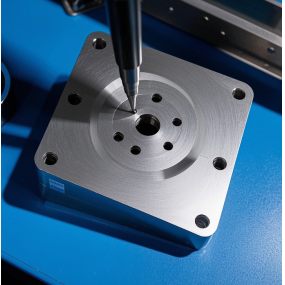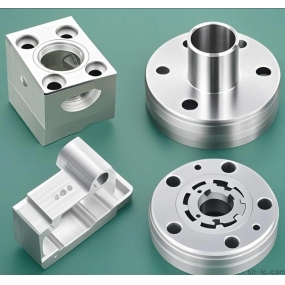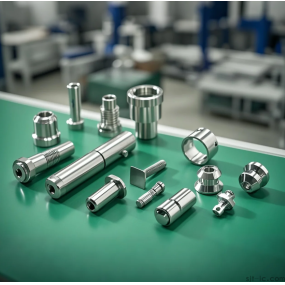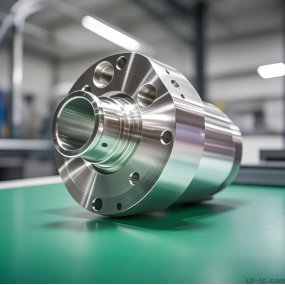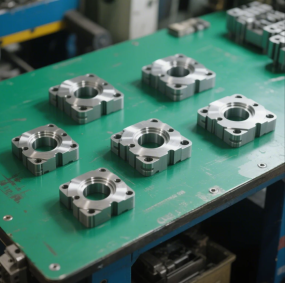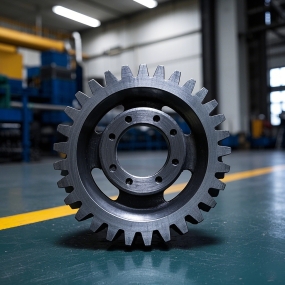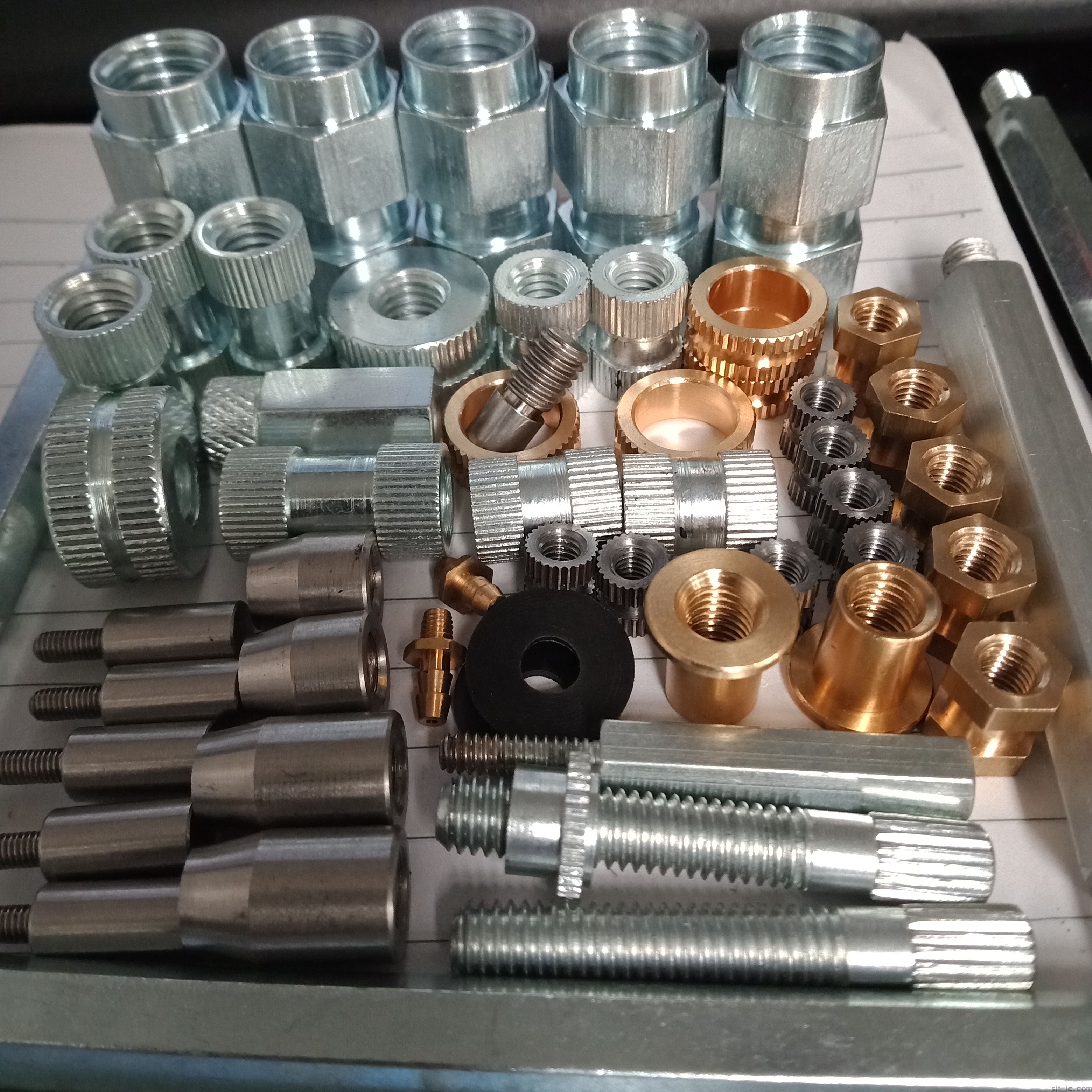
Choosing the right CNC Fastener Production Factory is important for companies that need accurate, strong, and reliable fasteners for industrial applications. CNC Machining allows manufacturers to produce bolts, screws, nuts, pins, and other fastener components with high precision and consistent quality.
Many buyers have questions before working with a CNC fastener supplier. They want to understand the production process, available materials, quality inspection methods, customization options, and how to control costs. This guide explains these key points in simple language and helps you understand what makes a reliable CNC fastener production partner.
A CNC Fastener Production Factory uses computer-controlled machines to manufacture precision fasteners according to customer drawings or technical requirements. Unlike standard fasteners made only in fixed sizes, CNC-produced fasteners can be customized for special applications that require unique dimensions, shapes, or performance features.
CNC machines can control cutting, drilling, threading, and finishing operations with high accuracy. This makes CNC fasteners suitable for industries such as automotive, aerospace, medical equipment, electronics, robotics, and industrial machinery.
A professional factory should provide more than machining services. It should also support engineering communication, material selection, quality inspection, surface treatment, and production management to ensure customers receive dependable parts.
Understanding the steps in CNC fastener production helps buyers know how their parts are made and what factors influence final quality.
Design Review and Technical Analysis: The factory first checks customer drawings, 3D models, tolerances, thread specifications, and application requirements. Engineers review whether the design is suitable for CNC machining and suggest improvements when needed.
Material Preparation: The selected metal material is prepared based on strength, corrosion resistance, temperature requirements, and usage conditions. Proper material preparation helps prevent performance problems during operation.
CNC Machining Process: CNC turning, milling, drilling, and threading machines are used to shape the fastener. Advanced CNC equipment allows manufacturers to produce complex designs while maintaining stable accuracy.
Surface Treatment: Depending on customer needs, fasteners may receive treatments such as polishing, coating, anodizing, or other protective finishes to improve durability and appearance.
Inspection and Delivery: Finished fasteners are inspected before shipment. The factory checks dimensions, threads, surface quality, and mechanical performance to ensure products meet requirements.
Material considerations for CNC-produced fasteners directly affect product strength, service life, and manufacturing cost. Different applications require different metal choices.
Stainless Steel: Stainless steel is widely used because it offers good corrosion resistance and strength. It is suitable for outdoor equipment, medical devices, and food-related applications.
Aluminum: Aluminum is lightweight and easy to machine. It is often selected for applications where reducing weight is important.
Brass: Brass provides good electrical conductivity and corrosion resistance, making it useful for electronic and precision components.
Titanium: Titanium offers excellent strength-to-weight performance and is used in demanding industries that require high performance.
Carbon Steel and Alloy Steel: These materials provide high strength and are commonly used for heavy-duty mechanical applications.
A reliable CNC fastener factory should help customers choose suitable materials based on operating environment, load requirements, budget, and production volume.
Quality control in CNC fastener manufacturing is essential because even small dimensional errors can affect assembly performance and product safety.
A professional CNC fastener production factory usually applies multiple inspection steps, including:
Companies like EMAR focus on precision manufacturing processes, professional inspection methods, and stable production management to help customers receive consistent CNC fastener products. Their experience with customized machining projects allows them to support different industrial requirements.
Customization in CNC fastener production is one of the main advantages of CNC machining. Many industries cannot use standard fasteners because they need special sizes, materials, or designs.
Customization services may include:
When selecting a CNC fastener supplier, customers should choose a factory that can understand technical drawings, communicate clearly, and provide flexible production solutions. EMAR supports customized CNC machining projects by combining engineering knowledge with modern manufacturing equipment.
The cost-related factors in CNC fastener production factory include more than the machining price. Understanding these factors helps businesses make better purchasing decisions.
A cost-effective CNC fastener factory focuses on improving production efficiency while maintaining quality. The lowest price is not always the best choice because poor-quality fasteners can create higher costs through failures, replacements, and production delays.
Before selecting a supplier, customers should evaluate several important factors:
EMAR works as a CNC fastener production partner by providing precision machining capabilities, customized solutions, and quality-focused manufacturing services. With attention to engineering details and customer requirements, EMAR helps businesses develop fasteners that meet both technical and commercial goals.
A professional CNC Fastener Production Factory provides much more than simple machining. It combines advanced CNC technology, proper material selection, strict quality control, customization ability, and efficient production management.
By understanding the production process, quality standards, customization options, and cost factors, buyers can choose a manufacturing partner that delivers reliable fasteners for their applications. Working with an experienced supplier like EMAR can help companies achieve accurate parts, stable quality, and better long-term value.