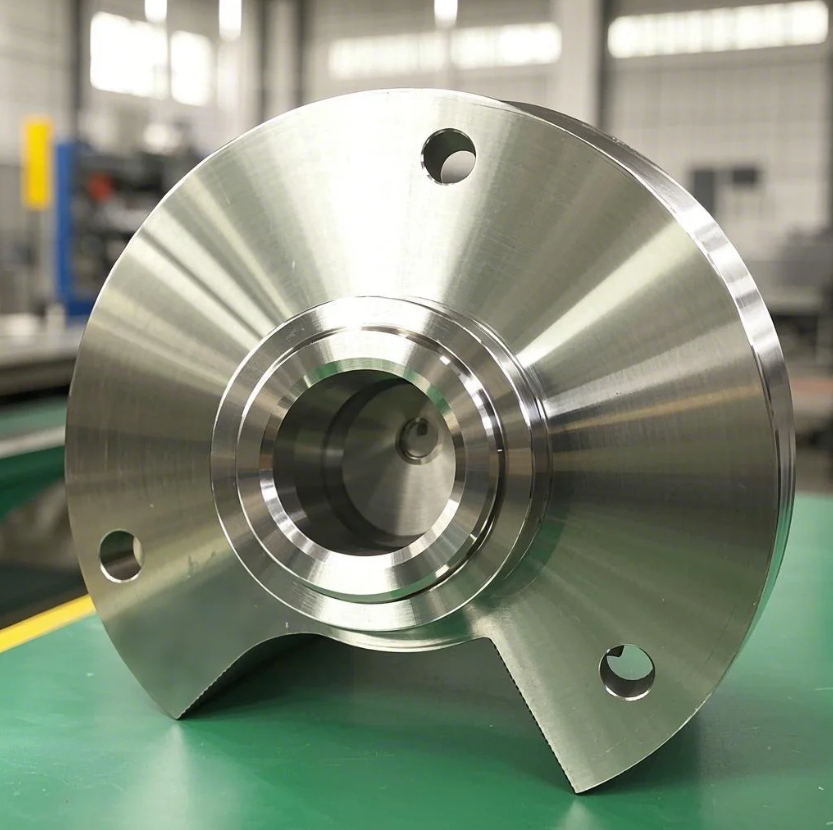
Camshafts are critical engine components that control the opening and closing of valves. Their accuracy directly affects engine power, fuel efficiency, emissions, and durability. Because camshaft profiles require extremely precise shapes and consistent performance, CNC Machining Camshafts has become a preferred manufacturing method for many automotive and industrial applications.
Compared with traditional machining methods, CNC machining provides better control over complex cam profiles, tighter tolerances, and repeatable production quality. For companies that need reliable camshaft parts, working with an experienced CNC machining provider such as EMAR can help achieve accurate designs, stable production, and cost-effective solutions.
A camshaft must operate under high loads and continuous movement. Even a small error in the cam profile can change valve timing and reduce engine performance. CNC machining allows manufacturers to produce complex cam shapes with high precision by using computer-controlled equipment and advanced machining programs.
The main advantages of CNC Machining Camshafts include:
For manufacturers producing performance engines, racing components, or specialized machinery parts, CNC machining provides the control needed to meet demanding requirements.
The design process is one of the most important steps in camshaft manufacturing. Proper design considerations for CNC-machined camshafts help ensure that the final component delivers the required engine performance and reliability.
The camshaft design depends greatly on the engine application. Gasoline engines, diesel engines, and industrial engines have different valve timing needs.
Engine goals such as horsepower, torque, fuel economy, and operating speed determine the camshaft profile. A high-performance engine may require aggressive valve movement, while a commercial engine may prioritize reliability and efficiency.
The camshaft controls valve timing by converting rotational movement into valve motion. Important design factors include:
A well-designed camshaft balances performance, durability, and manufacturing requirements. The CNC machining process must accurately reproduce the designed profile to achieve the expected engine behavior.
Choosing the correct material is essential because camshafts experience repeated contact, friction, and mechanical stress. The right material selection for camshaft CNC machining improves wear resistance, strength, and production efficiency.
Alloy steels are widely used for high-performance and heavy-duty camshafts. They provide excellent strength, toughness, and fatigue resistance.
Nodular cast iron offers a good balance between performance and cost. Its graphite structure provides improved strength compared with traditional cast iron.
Powdered metal materials are often used in high-volume production because they provide consistent quality and efficient manufacturing.
The best material depends on engine requirements, production volume, machining difficulty, and expected service conditions. Experienced CNC suppliers can help select the most suitable material for each project.
Producing a camshaft requires several machining operations. Each step must be carefully controlled to achieve accurate dimensions and reliable performance.
Turning is usually the first machining operation. CNC lathes create the basic camshaft shape, including journals and main shaft dimensions.
Typical considerations include:
Milling operations create features such as keyways, slots, and specific surface details. Proper tool selection helps prevent vibration and improves accuracy.
Grinding is one of the most important finishing processes because cam lobes require extremely accurate surfaces. It improves profile accuracy, surface finish, and wear performance.
Electrical discharge machining (EDM) may be used for special features or difficult-to-machine areas. It provides high precision without applying large cutting forces.
Machining parameters must be adjusted based on material type and operation requirements. Important factors include:
Professional CNC machining companies optimize these parameters through experience, testing, and process monitoring to achieve reliable results.
Camshaft machining requires careful control because small errors can affect engine performance. Common challenges include:
Accurate lobe profiling is one of the biggest challenges in camshaft production. The lobe shape must exactly match the design because it controls valve movement.
Handling lobe profiling in camshaft CNC machining requires advanced CNC programming, precise grinding methods, and detailed inspection equipment. Any incorrect profile can cause poor combustion, reduced power, or excessive engine wear.
Camshafts often have long and complex shapes, which can create vibration during machining. Excessive vibration may reduce surface quality and damage tools.
Machining and grinding generate heat that can change material dimensions. Cooling systems, controlled machining speeds, and proper process planning help prevent distortion.
After machining, additional treatments improve the mechanical performance and service life of camshafts. The correct post-machining processes for CNC-machined camshafts depend on the material and application.
Heat treatment improves hardness, strength, and fatigue resistance. Common processes include hardening and tempering to increase durability in high-stress areas.
Surface coatings can improve wear resistance and reduce friction. They are especially useful for cam lobes that experience continuous contact with other engine components.
Reliable inspection is necessary to confirm that every camshaft meets design requirements. Strong quality control in CNC-machined camshafts includes:
Producing high-quality camshafts requires experience in design analysis, material selection, machining technology, and inspection methods. A reliable supplier should understand engine requirements and provide complete manufacturing support.
EMAR provides professional CNC machining solutions for precision components, including camshaft manufacturing. With experience in CNC programming, material processing, precision machining, and quality inspection, EMAR helps customers develop durable and accurate camshaft parts for different applications.
From prototype development to production machining, choosing an experienced CNC machining partner can reduce manufacturing risks, improve product consistency, and achieve better cost performance.
CNC Machining Camshafts offers an effective solution for producing high-precision engine components with consistent quality. Successful camshaft production depends on careful design, proper material selection, accurate machining operations, and strict quality control.
By understanding cam profile requirements, choosing suitable materials, optimizing machining parameters, and applying proper post-processing methods, manufacturers can create camshafts that deliver reliable engine performance and long service life.