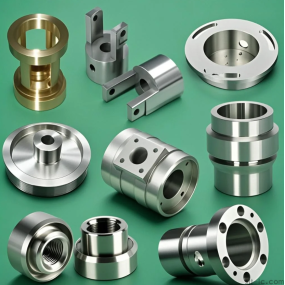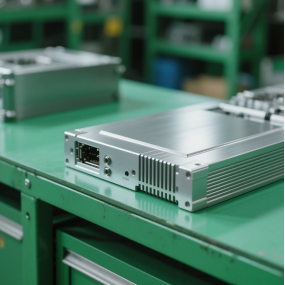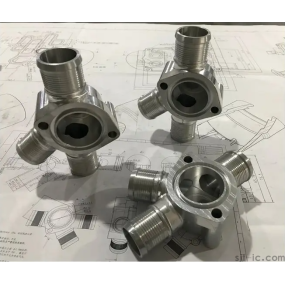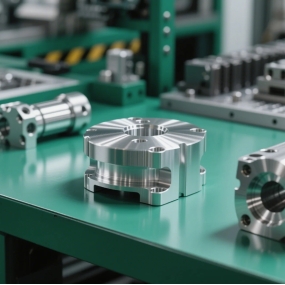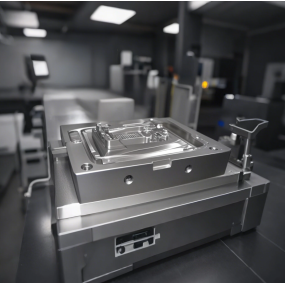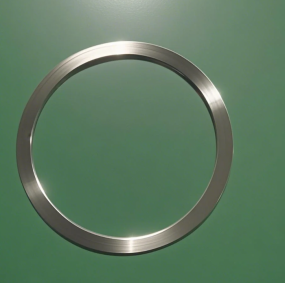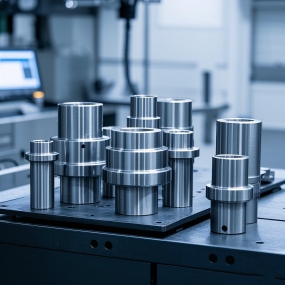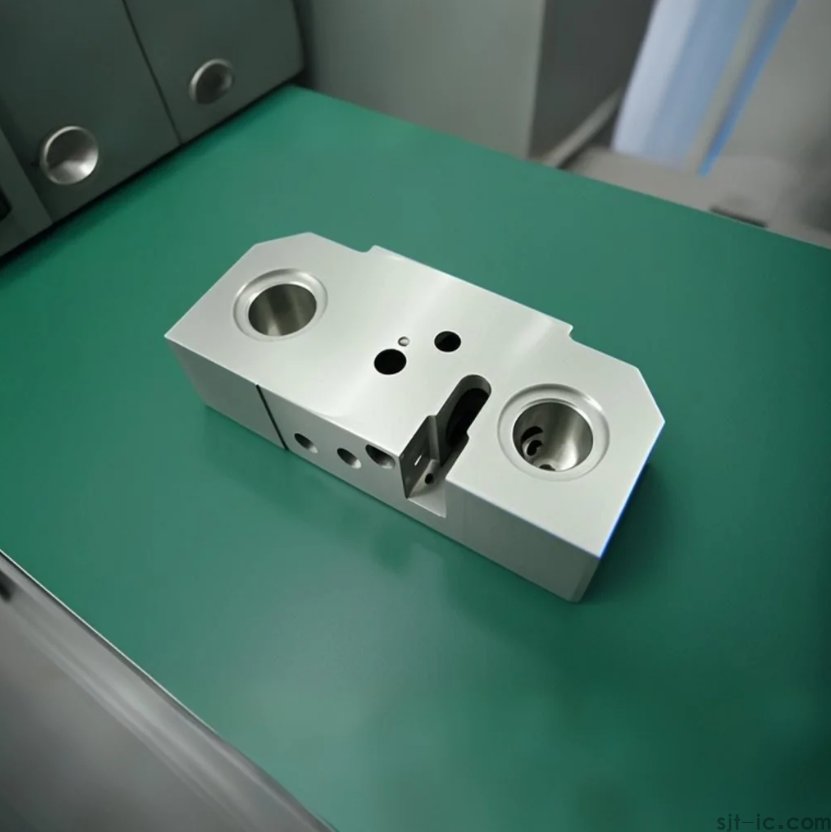
Aircraft components must meet extremely high standards because every part affects flight safety, fuel efficiency, and overall aircraft performance. From structural brackets and landing gear parts to engine components and control system parts, manufacturers need processes that can deliver excellent accuracy and consistent quality. CNC Machining Aircraft Components has become a key manufacturing solution because it provides the precision, flexibility, and reliability required by the aviation industry.
For companies developing aircraft parts, common challenges include achieving very tight tolerances, selecting the right materials, controlling production costs, and ensuring every component meets strict aviation requirements. Professional CNC machining manufacturers, such as EMAR, use advanced equipment, experienced engineers, and strong quality systems to help customers produce reliable aircraft components for demanding applications.
Aircraft components require extremely accurate dimensions because even small errors can affect assembly, aerodynamic performance, or safety. CNC machining uses computer-controlled machines to remove material with very high accuracy, allowing manufacturers to produce complex parts with consistent results.
One of the biggest advantages of CNC machining is its ability to achieve tight tolerances. Aircraft manufacturers often require parts that fit perfectly with other systems, including engines, hydraulic systems, electrical equipment, and structural assemblies. CNC machines can maintain precise measurements during production, reducing assembly problems and improving aircraft reliability.
CNC machining also supports lightweight aircraft design. Modern aircraft require parts that are strong but as light as possible to reduce fuel consumption. With advanced machining methods, manufacturers can create complex structures with optimized shapes while maintaining required strength.
The design stage is one of the most important steps in aircraft component manufacturing. Engineers must consider performance requirements, production methods, and long-term reliability before machining begins. The key design considerations for CNC-machined aircraft components include aerodynamic performance, weight control, strength requirements, and system compatibility.
During the design process, engineers usually use advanced CAD and simulation software to evaluate part performance before manufacturing. Close communication between customers and CNC machining experts helps identify possible machining difficulties early and reduces production risks.
Choosing the correct material is essential because aircraft components operate under extreme conditions, including high loads, temperature changes, vibration, and exposure to moisture. The material selection for aircraft component CNC machining process focuses on strength, weight, heat resistance, and corrosion protection.
EMAR supports customers in selecting suitable aerospace materials based on part function, operating environment, and machining requirements. Proper material selection helps reduce failures and improves the reliability of finished components.
Aircraft parts often include complex geometries, precision holes, curved surfaces, and detailed features. Different CNC machining operations are used to achieve the required shape and accuracy.
CNC turning is commonly used for cylindrical aircraft parts such as shafts, pins, and rotating components. During turning, the workpiece rotates while cutting tools remove material. Engineers carefully control cutting speed, feed rate, and depth of cut to achieve smooth surfaces and accurate dimensions.
Milling operations in aircraft component production are widely used because aircraft parts often require complex shapes and multiple features. CNC milling machines can create pockets, slots, curved surfaces, and lightweight structures with high accuracy.
Advanced multi-axis milling machines allow tools to move in several directions, making it possible to manufacture complicated aerospace parts with fewer setups. Cutting tools such as carbide end mills and specialized aerospace cutters are selected according to material hardness and machining requirements.
Machining parameters must be carefully controlled:
CNC drilling creates accurate holes for fasteners, assembly points, and system connections. Aerospace drilling requires precise positioning because incorrect holes can affect component strength and assembly accuracy.
Grinding is used when extremely smooth surfaces and tight dimensional accuracy are required. It is often applied to precision parts that need excellent surface finishes and close tolerances.
Aircraft machining presents several technical challenges. Manufacturers must control costs, reduce waste, and maintain accuracy throughout production.
Aerospace materials such as titanium alloys can be expensive. CNC programming and optimized tool paths help reduce unnecessary material removal and improve material usage efficiency.
During machining, friction between cutting tools and materials can generate heat. Excessive heat may cause dimensional changes or part deformation. Preventing heat-induced distortion in aircraft component CNC machining requires proper cooling methods, suitable cutting parameters, sharp tools, and stable machining processes.
Manufacturers may use advanced coolant systems, controlled cutting speeds, and multiple machining stages to reduce thermal stress and maintain precision.
Aircraft components often require very small dimensional variations. CNC machines with high rigidity, advanced control systems, and precision measuring equipment help maintain these strict requirements throughout production.
After CNC machining, aircraft components usually require additional processes to improve performance and ensure long service life.
These processes are essential because aircraft parts must perform reliably under repeated stress and changing operating conditions.
Quality control is one of the most critical areas in aerospace manufacturing. A small defect in an aircraft component can create serious safety risks, so manufacturers follow strict inspection procedures.
Quality control in aircraft component CNC manufacturing includes several important measures:
Inspection equipment may include coordinate measuring machines (CMM), ultrasonic testing systems, X-ray inspection equipment, and surface measurement tools. These technologies help confirm that every component meets required specifications.
Selecting an experienced CNC machining supplier is important for aerospace projects. A reliable manufacturer should have advanced CNC equipment, skilled technicians, aerospace material experience, and a complete quality management system.
EMAR provides CNC machining services for complex precision components, focusing on accurate manufacturing, reliable production processes, and strict quality control. With experience in handling challenging materials and complex aerospace designs, EMAR helps customers turn engineering concepts into high-quality aircraft components.
For companies looking for dependable CNC Machining Aircraft Components solutions, working with a professional machining partner can improve production efficiency, reduce risks, and support the development of safer and more advanced aircraft.