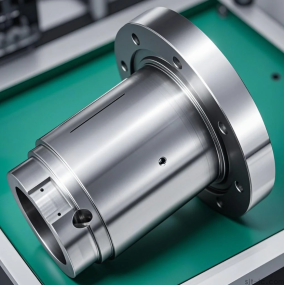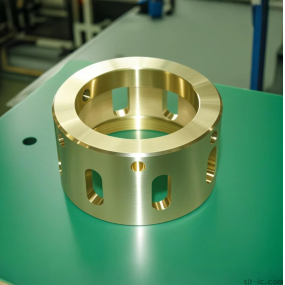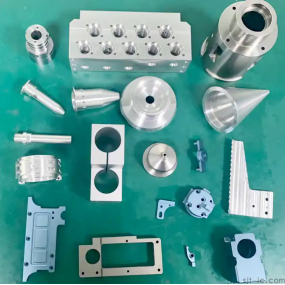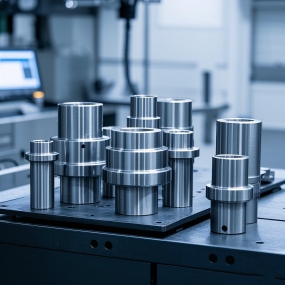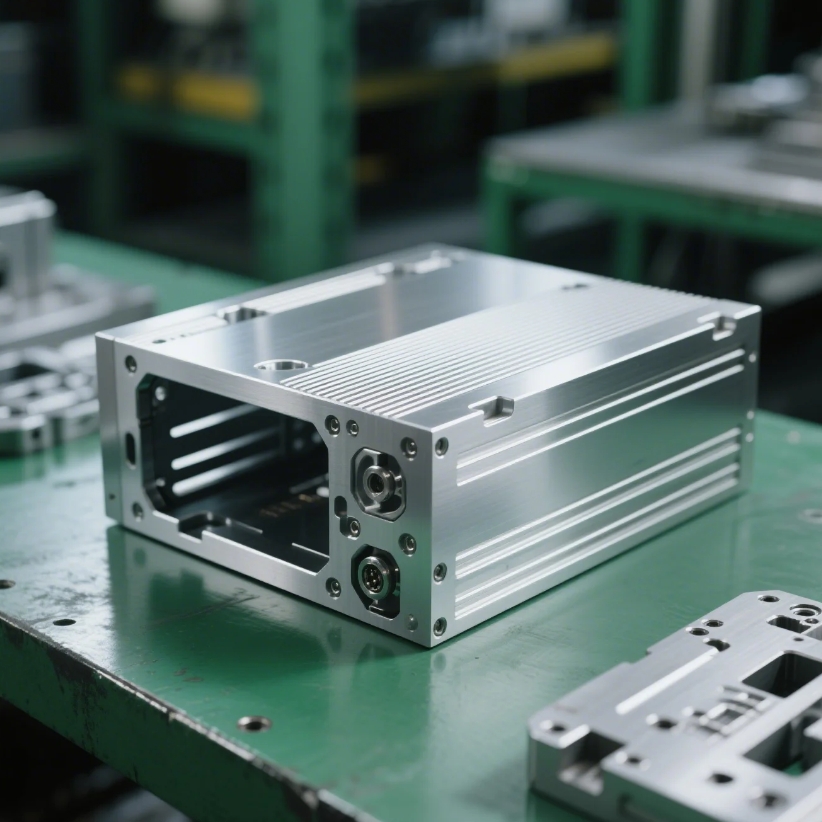
High-quality enclosures are essential for protecting electronic components, industrial equipment, medical devices, communication systems, and many other products. A good enclosure must do more than cover internal parts. It needs accurate dimensions, strong protection, good heat management, an attractive appearance, and reliable performance in different environments.
Precision CNC Machining for High-Quality Enclosures is one of the most effective manufacturing methods for producing enclosures that meet strict requirements. CNC machining can create complex shapes, tight tolerances, smooth surfaces, and detailed features that are difficult to achieve with traditional manufacturing methods.
For companies developing custom products, choosing the right material, optimizing the design, controlling machining costs, and ensuring quality are common challenges. Understanding these key factors helps manufacturers create better enclosures with fewer production problems.
CNC machining uses computer-controlled machines to remove material from a workpiece and create precise parts. For enclosure manufacturing, this technology provides several important advantages.
For industries that require reliable and professional-looking products, precision machining reduces assembly issues and improves the overall product experience.
Choosing the correct material is one of the most important decisions in enclosure manufacturing. The best material depends on factors such as strength requirements, operating environment, weight limits, heat dissipation needs, and budget.
Aluminum is one of the most popular materials for CNC-machined enclosures. It offers a strong balance between weight, durability, and machinability.
Common aluminum alloys such as 6061 and 6063 are widely used for electronic housings, heat sink enclosures, and industrial equipment covers.
Steel is suitable for applications where durability and mechanical strength are more important than weight reduction.
The main disadvantages of steel are its higher weight and the need for protective coatings to prevent corrosion. Stainless steel is often selected when corrosion resistance and a clean appearance are required.
Plastic materials are another option for CNC-machined enclosures, especially when weight, electrical insulation, and cost are important.
Common CNC-machined plastics include ABS, POM, and acrylic. The final material choice should match the enclosure's operating conditions and performance requirements.
A successful enclosure design requires more than an attractive appearance. Engineers must consider functionality, manufacturing requirements, and user experience. These design considerations in enclosure CNC help avoid costly modifications during production.
The enclosure must provide enough space for internal components while allowing easy assembly and maintenance.
Many modern products require enclosures that look professional as well as function correctly. CNC machining can create clean edges, smooth surfaces, and precise details.
Designers should consider surface finishes, corner shapes, logo engraving areas, and coating options during the early design stage.
A good enclosure design should reduce production difficulty. Features such as standard fastener sizes, reasonable wall thickness, and simple assembly methods can lower manufacturing costs.
Engineers usually create enclosure models using CAD software and convert them into machining instructions through CAM software. This process allows manufacturers to check tool paths, identify potential problems, and optimize production before machining begins.
The manufacturing process for CNC enclosures includes several steps. Each operation has a specific purpose and requires suitable tools and machining parameters.
The first step is preparing the raw material. Depending on the design and material type, manufacturers may use laser cutting, waterjet cutting, or CNC milling.
Proper cutting speed, feed rate, and tool selection help prevent excessive heat, poor surface quality, and tool damage.
Drilling creates holes for screws, connectors, ventilation, and mounting components.
Manufacturers select drill sizes, cutting speeds, and cooling methods according to the material. Accurate drilling ensures that assembly parts fit correctly.
Tapping creates internal threads for screws and fasteners. Correct thread depth, tool alignment, and lubrication are important to prevent damaged threads.
For sheet metal enclosures, bending operations create the final enclosure shape. Proper bending techniques help maintain accurate angles and prevent cracking or deformation.
After machining, manufacturers may apply finishing treatments such as anodizing, powder coating, polishing, or surface grinding. These processes improve appearance, corrosion resistance, and product durability.
Producing precision enclosures can involve several technical challenges. Effective solutions are necessary to maintain quality and reduce production waste.
Large or thin enclosure parts may become uneven due to cutting forces or internal material stress.
Manufacturers can improve flatness by using proper clamping methods, selecting suitable cutting parameters, and machining both sides when necessary.
Heat generated during machining may cause deformation, especially with thin materials.
Solutions include optimizing cutting paths, reducing excessive cutting forces, using proper cooling methods, and applying stress-relieving processes after machining.
Uneven wall thickness can affect strength, appearance, and assembly accuracy.
Careful CAD design, accurate CNC programming, and regular measurement during production help maintain consistent dimensions.
Many customers worry that precision machining may be too expensive. However, proper planning can make CNC enclosure production more economical.
Working with an experienced CNC machining partner can help balance quality, performance, and budget requirements.
Quality control is essential for producing reliable enclosures. A professional manufacturer uses inspection methods throughout the production process, not only after completion.
During machining, manufacturers check important features such as:
Measurement tools such as calipers, micrometers, height gauges, and coordinate measuring machines (CMM) help verify accuracy.
Before delivery, completed enclosures may undergo additional testing, including:
Strong quality control reduces defects and ensures that enclosures perform reliably in real-world applications.
High-quality enclosure manufacturing requires experience in material selection, precision machining, design optimization, and inspection processes. A reliable supplier should understand both engineering requirements and production challenges.
Companies such as EMAR provide professional precision CNC machining services for custom enclosures, supporting customers from design review and material selection to machining and quality inspection. With experience in producing complex precision parts, EMAR helps customers achieve accurate, durable, and cost-effective enclosure solutions.
Precision CNC Machining for High-Quality Enclosures provides manufacturers with the accuracy, flexibility, and surface quality needed for modern products. By selecting the right material, applying effective design principles, optimizing machining processes, controlling costs, and maintaining strict quality standards, businesses can create enclosures that deliver reliable performance.
Understanding the complete manufacturing process helps customers make better decisions and work more effectively with CNC machining experts to produce high-quality enclosure solutions.