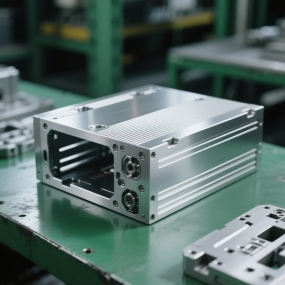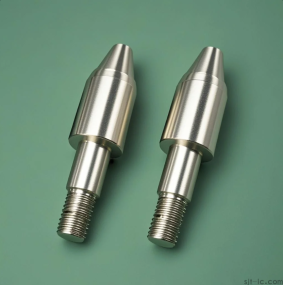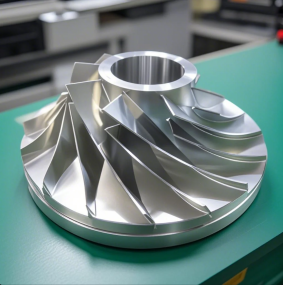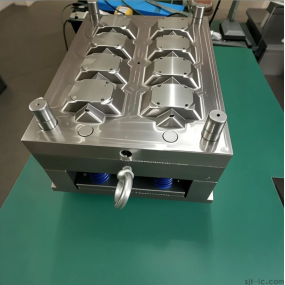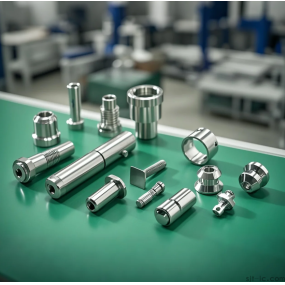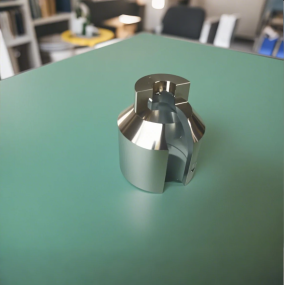

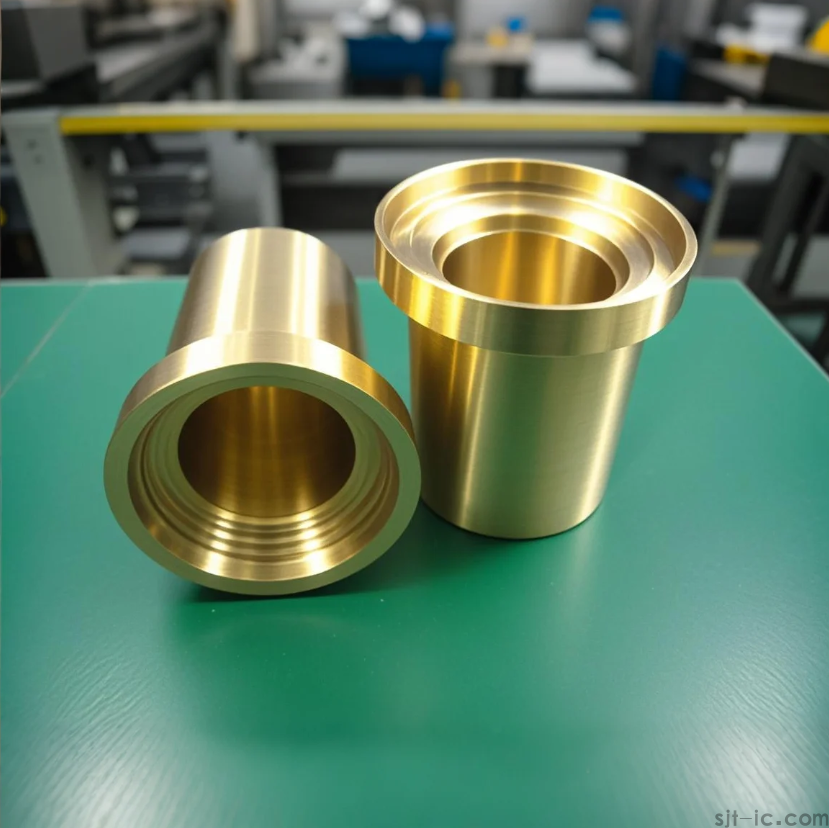
CNC Machining Bronze Products is a reliable manufacturing method for creating accurate, durable, and attractive bronze components used in many industries. Bronze has been valued for centuries because it combines strength, corrosion resistance, wear resistance, and a unique appearance. With modern CNC technology, manufacturers can produce bronze parts with complex shapes, tight tolerances, and consistent quality.
However, machining bronze is not always simple. Customers often face problems such as selecting the right bronze alloy, controlling machining costs, preventing tool wear, improving surface quality, and avoiding defects in cast bronze materials. Understanding the complete CNC machining process helps businesses make better decisions and achieve high-quality bronze products.
Bronze is a popular material for CNC machining because it offers a balanced combination of mechanical and visual properties. Different bronze alloys have different characteristics, allowing engineers to select the best material for each application.
These advantages make bronze suitable for both functional components and products where appearance is important.
The design stage has a major impact on machining efficiency, product quality, and final cost. When creating bronze parts, engineers need to consider the special properties of bronze instead of treating it like ordinary steel or aluminum.
Design considerations for CNC-machined bronze products include choosing proper wall thickness, avoiding unnecessary sharp corners, and allowing enough space for cutting tools. Bronze is strong and durable, but some alloys can become harder during machining, which affects cutting performance.
A professional CNC machining supplier can review the design before production and suggest improvements that reduce machining difficulty. Companies such as EMAR provide engineering support, CNC machining experience, and production solutions for customized bronze components.
Choosing the correct bronze alloy is one of the most important steps in producing high-quality bronze parts. Different applications require different levels of strength, corrosion resistance, hardness, and machinability.
Material selection of bronze alloys in machining usually depends on the working environment and product requirements.
The right alloy choice can improve machining performance, extend product life, and reduce manufacturing problems.
The production of CNC-machined bronze products usually includes design preparation, material selection, programming, machining, inspection, and finishing. Each step affects the final quality.
After receiving product drawings or 3D models, engineers create CNC programs that control machine movement. The programming process considers bronze hardness, tool selection, cutting direction, and required accuracy.
Advanced CNC equipment can produce complex bronze parts with high repeatability, which is especially important for industries requiring consistent performance.
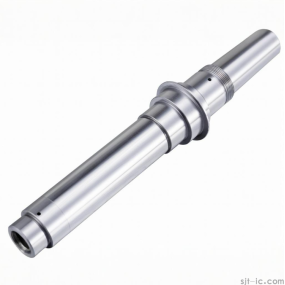
Turning operations for bronze CNC machining are commonly used for cylindrical parts such as shafts, bushings, rings, and connectors. During turning, the bronze workpiece rotates while a cutting tool removes material.
Typical machining considerations include:
Experienced machinists adjust these parameters according to the specific bronze alloy to achieve the best results.
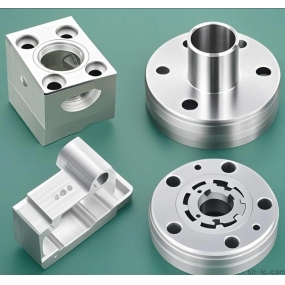
CNC milling is used for bronze parts with flat surfaces, slots, holes, pockets, and complex three-dimensional shapes.
Important milling practices include:
Many bronze products begin as cast parts because casting can create complex shapes with less material waste. CNC machining is then used to achieve precise dimensions and smooth surfaces.
However, cast bronze parts may contain internal defects that affect machining quality. Proper inspection and machining strategies are necessary before final production.
Although bronze is generally machinable, some alloys have high hardness and abrasive characteristics. Tool wear can reduce accuracy, increase production costs, and affect surface quality.
Common solutions include:
Professional CNC manufacturers use machining experience and inspection systems to maintain stable production quality throughout large orders.
Handling porosity in bronze casting for CNC products is an important challenge because small internal holes or weak areas can reduce product strength and affect appearance.
Solutions include:
Bronze products often require excellent surface quality, especially decorative parts or visible components. Poor machining conditions may create scratches, tool marks, or uneven textures.
To improve surface finish:
Post-machining polishing of CNC-made bronze products improves appearance and provides a smoother surface. This step is especially important for decorative bronze items, artistic products, and high-end components.
Common finishing methods include:
The final treatment depends on whether the product requires functional performance, decorative value, or long-term outdoor durability.
Selecting the right CNC machining supplier is important for achieving accurate and reliable bronze components. A capable manufacturer should have experience with bronze alloys, advanced CNC equipment, quality inspection systems, and professional engineering support.
EMAR provides CNC machining services for customized metal parts, including bronze products. With experience in precision machining, material handling, and surface finishing, EMAR helps customers transform designs into reliable finished components while controlling quality and production efficiency.
Whether the requirement is a small prototype or a large production order, a professional CNC machining partner can help solve challenges related to design, material selection, machining accuracy, and finishing.
CNC Machining Bronze Products combines the advantages of modern manufacturing technology with the excellent properties of bronze. By selecting the correct alloy, optimizing design, controlling machining parameters, preventing defects, and applying suitable finishing methods, manufacturers can produce bronze parts that are strong, accurate, and visually appealing.
Understanding each step of the process helps businesses reduce production risks and achieve better results for industrial, commercial, and decorative bronze applications.