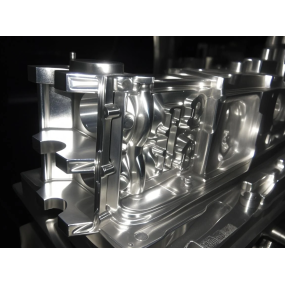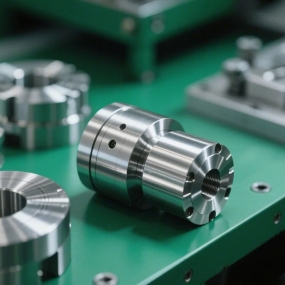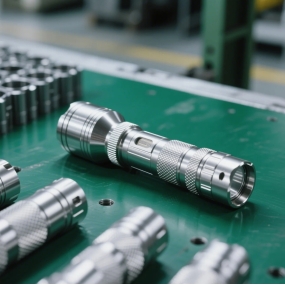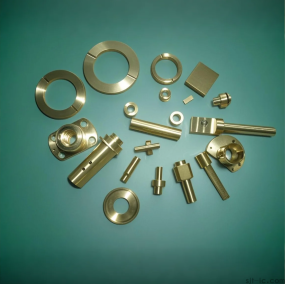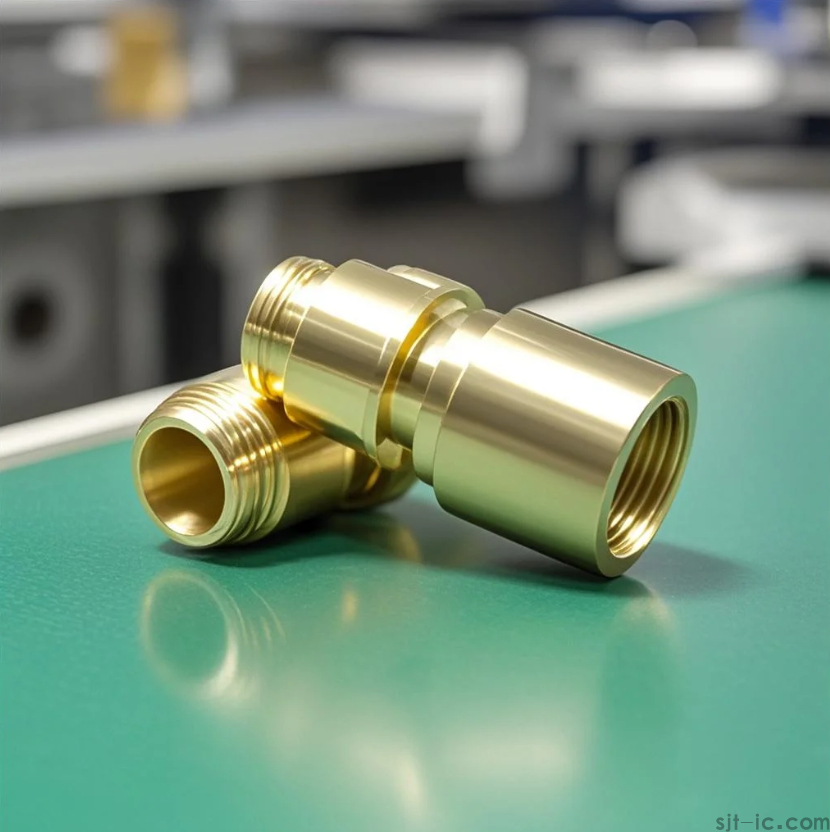
The CNC Machining Copper Process requires careful planning because copper is different from many common metals. Copper has excellent electrical conductivity, high thermal conductivity, and good corrosion resistance, making it widely used in electrical parts, automotive components, medical equipment, and precision industrial products.
However, many manufacturers face problems when machining copper, such as tool wear, poor surface quality, heat-related issues, and unstable cutting performance. Understanding copper properties and choosing the right machining methods can help produce accurate, high-quality parts while controlling production costs.
The first step to successful copper machining is understanding the copper characteristics for CNC machining. Copper is a soft and highly conductive material, which creates both advantages and challenges during machining.
Because of these characteristics, copper machining requires accurate programming, suitable tooling, and proper cutting strategies. A reliable CNC machining partner can help select the right process based on part design, material grade, and production requirements.
Proper tool selection in CNC copper machining has a direct impact on machining accuracy, tool life, and surface finish. Using the wrong tool can lead to material sticking, vibration, and poor-quality parts.
Common tool considerations for copper machining include:
For precision copper components, experienced CNC manufacturers such as EMAR focus on selecting suitable tools and machining strategies to achieve stable production results and meet strict customer requirements.
The correct cutting parameters for CNC copper processing are important for balancing machining speed, tool life, and part quality. Since copper is soft and conductive, overly aggressive settings may create problems instead of improving efficiency.
Important cutting parameter factors include:
There is no single cutting setting that works for every copper part. Factors such as copper alloy type, part shape, tolerance requirements, and machine condition must be considered before production.
Effective heat management in CNC machining of copper is essential because copper quickly transfers heat during cutting. Poor heat control may reduce tool performance and affect dimensional accuracy.
Common methods for managing heat include:
For high-precision copper parts, temperature control is especially important because small thermal changes can influence final dimensions. Professional CNC suppliers use controlled machining environments and process monitoring to maintain consistent quality.
A smooth surface is often required for copper components used in electrical, optical, and precision applications. Achieving good surface finish in CNC copper machining depends on several factors.
When surface requirements are strict, early communication between the customer and machining provider helps determine the best production approach.
Although copper is widely used because of its excellent properties, manufacturers may encounter several challenges during machining.
Solving these issues requires experience, process control, and quality inspection. Companies with strong CNC machining capabilities can reduce production risks by applying proven methods from design review to final inspection.
A well-planned machining process improves efficiency and reduces unnecessary costs. Key optimization steps include:
EMAR provides professional CNC machining solutions for copper parts, combining manufacturing experience, precision equipment, and quality control systems. Its machining expertise helps customers produce reliable copper components for different industries while improving production efficiency and consistency.
The CNC Machining Copper Process requires more than simply cutting the material. Successful copper machining depends on understanding material behavior, selecting the right tools, optimizing cutting parameters, controlling heat, and maintaining strict quality standards.
By working with an experienced CNC machining provider like EMAR, businesses can reduce machining challenges and achieve accurate, durable, and high-quality copper parts for demanding applications.