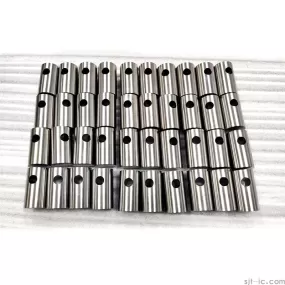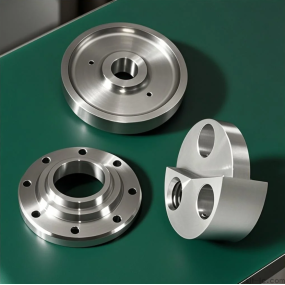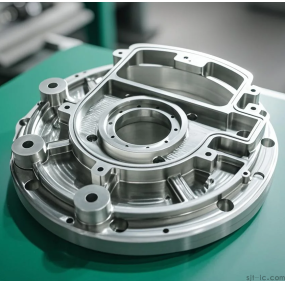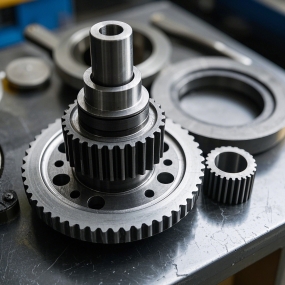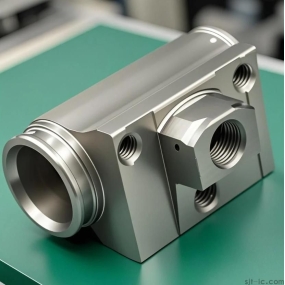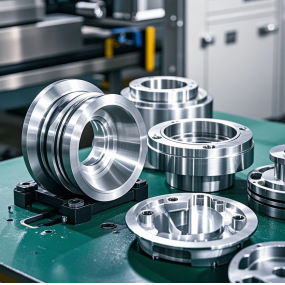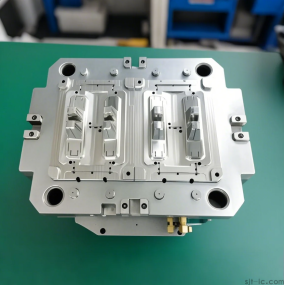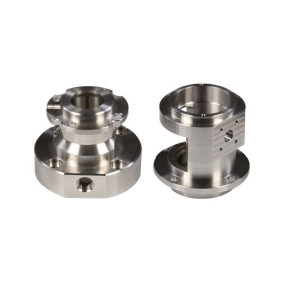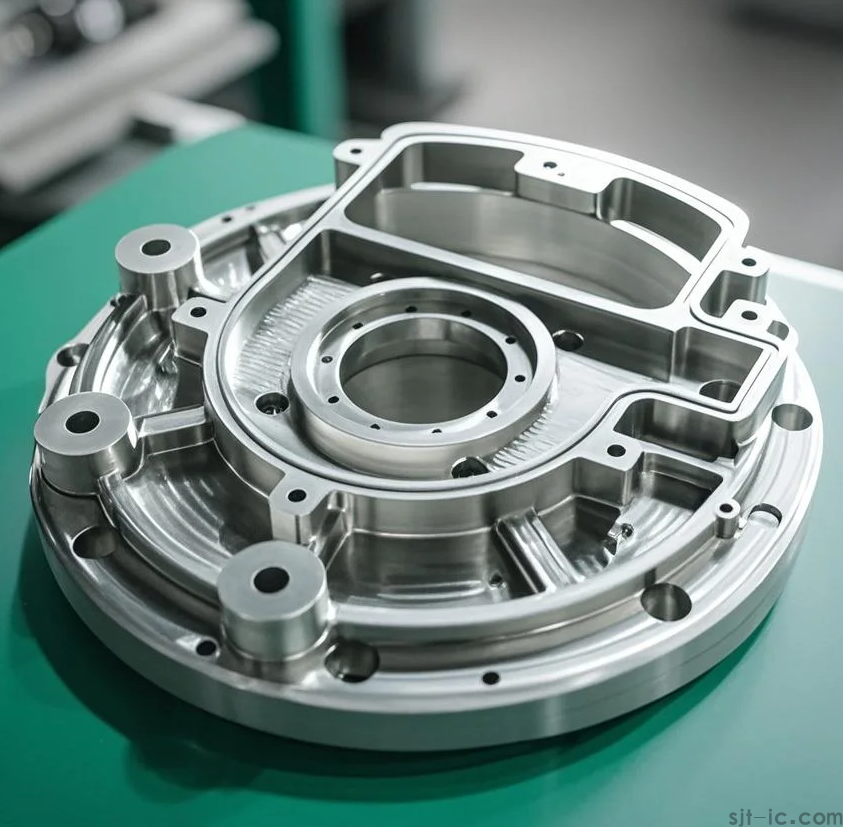
Engine parts must work under extreme conditions. They experience high pressure, strong vibration, heat, and continuous movement. Because of these challenges, manufacturers need production methods that can deliver high accuracy, strong materials, and stable quality. CNC Machining Engine Parts has become one of the most reliable solutions for producing engine components used in automotive, aerospace, marine, and industrial applications.
Many customers have concerns before starting an engine part machining project. They may worry about whether the parts will meet strict tolerances, whether the material can handle high temperatures, whether the final quality will be consistent, and whether the machining cost will stay within budget. A professional CNC machining provider helps solve these problems through careful design review, suitable material selection, advanced machining processes, and strict quality control.
Engine components require extremely accurate dimensions because even a small error can affect engine performance, fuel efficiency, and service life. CNC machining uses computer-controlled machines to produce parts according to precise CAD models. This allows manufacturers to achieve tight tolerances that are difficult to reach with traditional machining methods.
CNC machining is especially suitable for complex engine components because it can create detailed shapes and internal features. Parts such as cylinder heads, crankshafts, engine blocks, pistons, valve components, and connecting rods often include curved surfaces, deep holes, and complicated structures. Multi-axis CNC machines can process these complex geometries while maintaining accuracy.
Another important advantage is consistency. In mass production, every engine part must have the same dimensions and performance. CNC machining allows manufacturers to repeat the same machining program many times, reducing human error and improving production stability. This makes it a cost-effective choice for both prototypes and large production runs.
The design stage has a major impact on the final quality, cost, and manufacturing time of engine parts. Good communication between customers and machining providers is essential. Before machining begins, engineers need to understand how the part works inside the engine and what performance requirements it must meet.
Important information customers should provide includes:
Professional machining companies such as EMAR can support customers during the design review stage by checking whether the design is suitable for CNC production. This cooperation helps avoid unnecessary machining difficulties, reduce costs, and improve final part performance.
Material selection for engine part CNC machining directly affects durability, weight, heat resistance, and machining difficulty. Different engine parts require different materials depending on their working environment.
Aluminum alloys are widely used for engine parts because they are lightweight, have good thermal conductivity, and are relatively easy to machine. They are commonly used for cylinder heads, engine blocks, and covers. However, aluminum has lower wear resistance and strength compared with some steel materials, so it may not be suitable for extremely high-load applications without additional treatments.
Cast iron offers excellent wear resistance, vibration damping, and high-temperature performance. It is often used for engine blocks and cylinder liners. The disadvantage is that cast iron is heavier and more difficult to machine because its hardness can increase tool wear.
Steel materials provide high strength and toughness, making them suitable for crankshafts, gears, shafts, and other load-bearing engine components. Alloy steels can provide improved fatigue resistance and heat performance. However, harder steels require careful cutting parameters and stronger machining tools.
Stainless steel provides excellent corrosion resistance and good mechanical strength. It is suitable for engine parts exposed to moisture, chemicals, or high temperatures. The challenge is that stainless steel can create more heat during machining and may require special cutting tools.
Titanium alloys offer a high strength-to-weight ratio and excellent heat resistance. They are useful for high-performance engine applications. However, titanium is difficult to machine because it generates heat quickly and can reduce tool life if machining conditions are not controlled properly.
Superalloys are designed for extreme temperature environments. They are commonly used in advanced aerospace and high-performance engine applications. Their excellent heat resistance comes with higher machining difficulty and increased production costs.
CNC machining engine parts usually requires several machining operations. Each process is selected according to the part design, material, and accuracy requirements.
Milling uses rotating cutting tools to remove material and create flat surfaces, pockets, slots, and complex shapes. CNC milling is widely used for cylinder heads, engine blocks, and custom engine components. Carbide end mills are commonly used because they provide good hardness and wear resistance.
Turning is used for round parts such as shafts, crankshaft sections, and cylindrical components. The workpiece rotates while a cutting tool removes material. Proper control of cutting speed, feed rate, and depth of cut is important to achieve accurate dimensions.
Drilling creates holes, while boring improves the accuracy and surface quality of existing holes. These operations are critical for engine parts because precise holes are needed for bolts, bearings, fuel systems, and oil passages.
Grinding provides very high accuracy and smooth surfaces for parts that require tight fits, such as bearing surfaces and sealing areas. Finishing operations help improve appearance, reduce friction, and increase part performance.
Handling tool wear in engine part CNC machining is a major challenge, especially when machining hard materials such as titanium alloys, hardened steels, and superalloys. Worn tools can reduce accuracy, damage surface quality, and increase production costs.
Manufacturers manage tool wear by:
Heat generation is another common issue. Excessive heat can change material properties and affect dimensional accuracy. Proper cutting parameters and cooling methods help maintain stable machining conditions.
Choosing the correct machining parameters is important for balancing production efficiency and part quality. The main factors include cutting speed, feed rate, and depth of cut.
Experienced CNC engineers adjust these parameters based on the material, tool type, machine capability, and required tolerance.
Post-machining processes for CNC-machined engine parts improve mechanical performance, durability, and surface quality after machining.
The correct post-processing method depends on the engine part material and operating environment. For example, aluminum parts may require anodizing for better corrosion resistance, while steel components may need heat treatment for higher strength.
Quality control in engine part CNC manufacturing is essential because engine components must perform safely under demanding conditions. A reliable CNC machining supplier uses multiple inspection methods to verify every important requirement.
Companies with strong engineering experience, advanced CNC equipment, and complete inspection systems can provide more reliable engine components. EMAR supports CNC machining projects with professional manufacturing experience, helping customers produce accurate, durable, and consistent engine parts for different industries.
Selecting the right machining partner is important for controlling cost, improving quality, and reducing production risks. Customers should look for a supplier that understands engine applications, provides engineering support, has advanced CNC equipment, and follows strict quality management procedures.
From initial design communication and material selection to precision machining and final inspection, every step affects the performance of the finished component. With proper planning and professional CNC machining technology, manufacturers can produce engine parts that meet demanding requirements for strength, accuracy, and reliability.