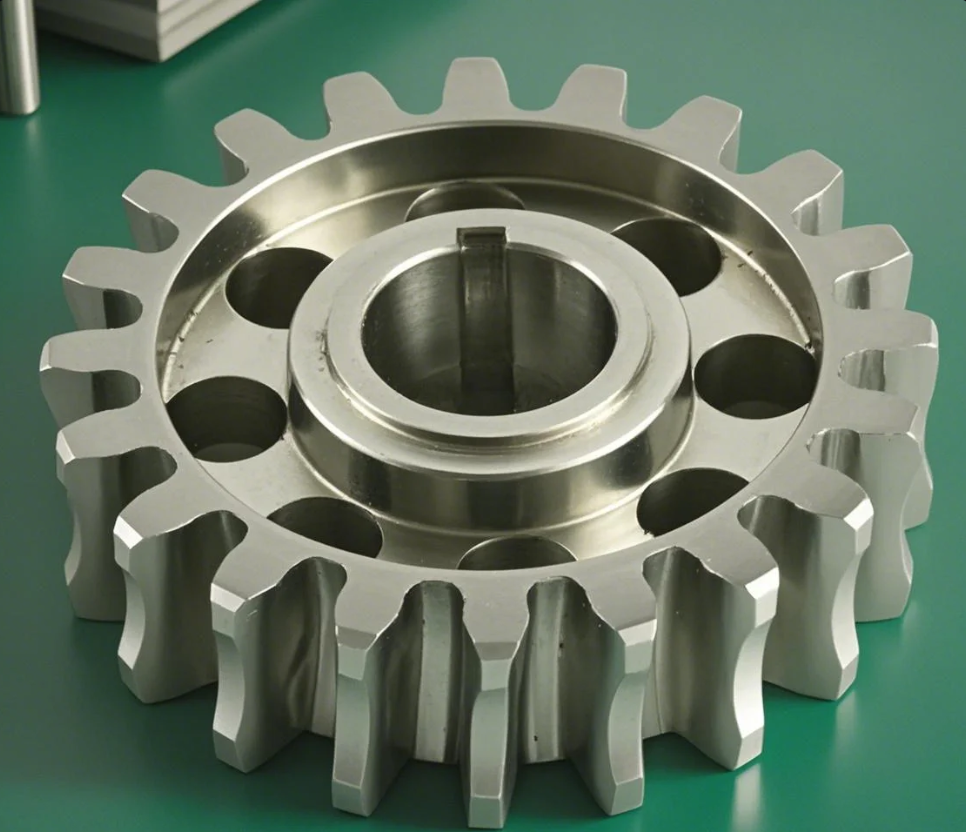
CNC Worm Gear Machining is an advanced manufacturing process used to produce worm gears with accurate tooth profiles, smooth motion, and reliable power transmission. Worm gears are widely used in automotive systems, industrial machinery, automation equipment, lifting devices, and many other applications where high reduction ratios and controlled movement are required.
Many customers have concerns when ordering worm gears, including how to achieve precise tooth geometry, how to choose the right material, and how to control manufacturing costs. CNC Machining provides an effective solution because it can create complex worm gear tooth profiles with high accuracy and repeatable quality. With proper design, material selection, machining methods, and inspection processes, CNC-machined worm gears can deliver long service life and stable performance.
Worm gears have a unique structure consisting of a worm and a worm wheel. Their spiral tooth shape requires accurate control of angles, profiles, and surface finishes. Traditional machining methods may struggle to maintain consistency, especially for complex designs and high-precision applications.
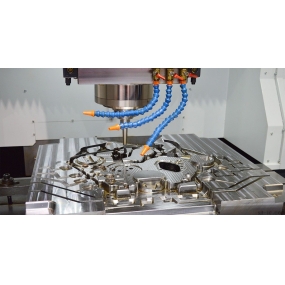
CNC machining is well suited for worm gears because computer-controlled equipment can precisely manage cutting movements and tool paths. This allows manufacturers to produce accurate tooth profiles, maintain consistent dimensions, and reduce production errors during both prototype and mass production.
The main advantages of CNC Worm Gear Machining include:
Companies with professional CNC machining experience, such as EMAR, can help customers develop reliable worm gear solutions by combining engineering knowledge, precision equipment, and strict quality management.
Proper design is the foundation of successful worm gear production. The design considerations for CNC-machined worm gears must include performance requirements, operating conditions, and manufacturing limitations.
The gear ratio determines how much speed reduction and torque increase the worm gear system can provide. A higher gear ratio can create greater speed reduction but may also increase friction and heat generation.
Engineers should select the correct ratio based on the application. For example:
The lead angle directly affects efficiency, friction, and self-locking ability. A larger lead angle can improve efficiency but may reduce the self-locking effect. A smaller lead angle can provide stronger holding force but may create more friction.
Tooth depth must be designed carefully to ensure enough contact area between the worm and worm wheel. Proper tooth depth improves load distribution and reduces wear.
The number of threads on the worm also affects performance. Single-thread worms usually provide higher reduction ratios, while multi-thread worms offer higher efficiency and faster operation.
Worm gear designs must consider operating loads, working speed, temperature, and environmental conditions. Incorrect design may lead to excessive wear, overheating, vibration, or early failure.
A professional CNC manufacturer can review factors such as torque requirements, operating cycles, and installation conditions before machining to ensure the final gear meets performance expectations.
Choosing the correct material is one of the most important steps in worm gear production. The material selection for worm gear CNC machining affects strength, wear resistance, operating life, and overall cost.
Bronze is one of the most common materials used for worm wheels because it provides excellent wear resistance and good friction performance when working with steel worms.
Advantages of bronze include:
Bronze worm wheels are often used in industrial machines, conveyors, and equipment requiring smooth and quiet operation.
Steel and alloy steels are commonly selected for worm shafts because they provide high strength and excellent load capacity.
Benefits include:
Alloy steels are especially useful when worm gears operate under high pressure, high speed, or heavy-duty conditions.
Producing accurate worm gears requires several machining operations. Each step must be carefully controlled to achieve the required tooth shape and surface quality.
Turning is usually the first operation used to create the basic shape of the worm gear component. CNC turning machines remove excess material and prepare the workpiece for further processing.
Important turning parameters include cutting speed, feed rate, and depth of cut. Proper settings help reduce vibration and maintain dimensional accuracy.
CNC milling is used to create specific features and complex surfaces. It is useful for prototypes and customized worm gear designs.
Selecting suitable cutting tools and optimized feed rates helps prevent tool wear and improves surface quality.
Hobbing is a common gear manufacturing method used to create precise worm teeth. The cutting tool rotates with the workpiece to generate the required spiral tooth profile.
Accurate control of tool alignment, cutting speed, and feed rate is essential for producing consistent tooth geometry.
Grinding is used for high-precision worm gears that require excellent surface finishes and tight tolerances. It improves tooth accuracy and reduces friction during operation.
One major challenge is handling tooth alignment in worm gear CNC machining. Even small alignment errors can cause uneven contact, increased noise, and reduced service life.
Manufacturers solve this issue by using accurate CNC programming, proper fixture design, precision measurement equipment, and careful tool setup.
Backlash is the small amount of movement between mating gear teeth. Too much backlash reduces positioning accuracy, while too little backlash may increase friction and heat.
Proper tooth geometry, machining accuracy, and assembly adjustment help achieve the correct backlash level for each application.
Machining generates heat that can change part dimensions. This is especially important for precision worm gears.
Manufacturers control thermal distortion by selecting suitable cutting parameters, using proper cooling methods, and applying stress-relief processes when needed.
After machining, additional treatments can improve worm gear performance. The post-machining processes for CNC-machined worm gears help increase strength, durability, and resistance to wear.
The correct post-machining process depends on the material, operating environment, and required service life.
Strict inspection is necessary to ensure worm gears meet performance requirements. Quality control in CNC-machined worm gears includes checking dimensions, tooth accuracy, material properties, and final performance.
Common inspection methods include:
Professional CNC manufacturers use advanced inspection equipment and documented quality systems to reduce production risks and provide dependable worm gear solutions.
Cost-effective worm gear manufacturing requires balancing performance, material choice, machining methods, and production volume.
EMAR provides CNC machining expertise for precision gear components, helping customers improve production efficiency while maintaining high standards for accuracy and reliability. Through engineering support, advanced machining processes, and quality inspection, EMAR helps deliver CNC worm gears suitable for different industrial applications.
CNC Worm Gear Machining is an effective solution for producing accurate, durable, and efficient worm gear systems. Successful manufacturing depends on careful design, suitable material selection, optimized machining processes, and strict quality control.
By considering factors such as gear ratio, lead angle, tooth depth, load requirements, and application conditions, engineers can create worm gears that provide smooth operation and long service life. With professional CNC machining support, businesses can achieve reliable worm gear performance while controlling manufacturing costs.