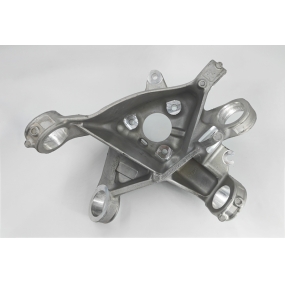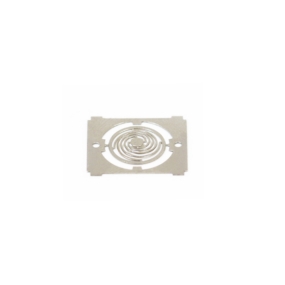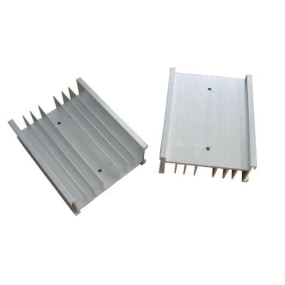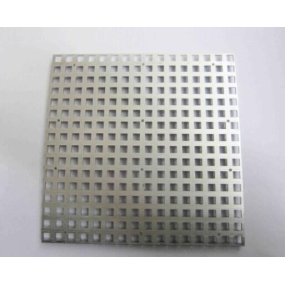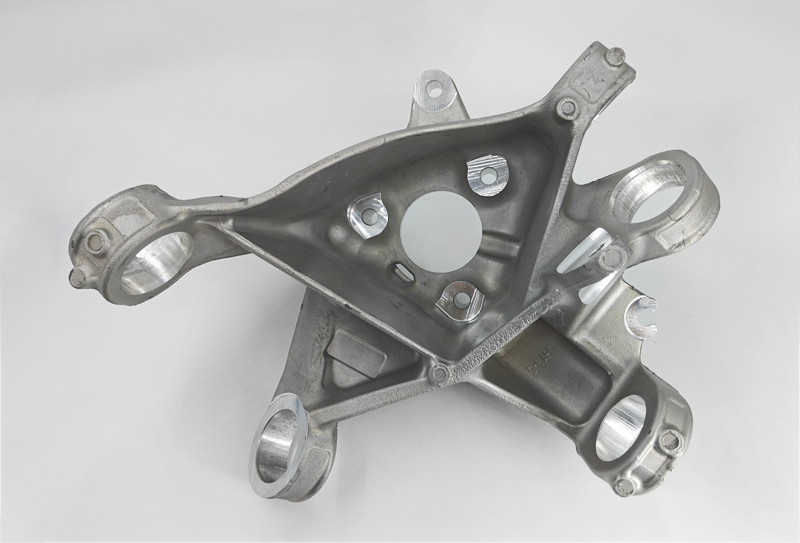
Five axis casting processing is an advanced manufacturing method that combines traditional casting technology with the flexibility of five-axis machining. It allows manufacturers to control the movement of molds or casting materials in multiple directions, including rotation and tilting. Compared with traditional casting methods that mainly rely on fixed molds, five-axis technology provides greater freedom to create complex shapes and improve part accuracy.
Many industries today need lightweight, strong, and highly accurate components. Traditional casting methods may struggle with complicated structures, internal channels, or strict dimensional requirements. Five-axis casting processing helps solve these problems by offering better control over the casting process and reducing the need for additional machining after casting.
Companies such as EMAR use advanced manufacturing knowledge and quality control systems to provide reliable five-axis casting solutions for customers who require complex and high-precision casting products.
Five axis casting processing is a manufacturing technique that uses five-axis movement during the casting process. The system can move along three linear directions and two rotational directions. This allows the mold, casting tool, or workpiece to change angles during production.
In traditional casting, the mold is usually fixed in one position. This can limit the shapes that can be produced. With five-axis casting, manufacturers can adjust the position and angle of the mold during casting, making it possible to create more complicated geometries.
For example, an aerospace component may require curved internal channels, special rib structures, or lightweight designs. A five-axis system can help create these features directly during casting instead of relying on multiple machining steps afterward.
Understanding this technology is important because it explains why modern manufacturers can produce parts with higher complexity, better accuracy, and improved performance.
One of the main advantages of five-axis casting is its ability to produce parts with complex shapes. Industries such as aerospace, automotive, and medical manufacturing often require components that cannot be easily made with traditional casting.
For example, aircraft turbine casings need carefully designed internal and external structures to improve airflow and reduce weight. Five-axis casting can create curved passages, detailed ribs, and optimized structures during the casting stage.
This ability reduces the need for extensive post-processing and allows engineers to design parts based on performance requirements instead of manufacturing limitations.
Another important benefit is improved precision. Five-axis control allows better adjustment of mold positions and casting conditions. This helps reduce dimensional variation between different parts.
For example, luxury vehicle manufacturers require engine components with accurate dimensions so that different parts can fit together correctly. Five-axis casting processing helps produce consistent components with fewer corrections during assembly.
The improved precision in five-axis casting processing also reduces machining time because less material needs to be removed after casting.
Traditional casting may require several additional operations, such as drilling, cutting, and surface finishing. Five-axis casting can create more features during the initial production stage, reducing the number of extra steps.
This can improve production efficiency and lower manufacturing costs, especially for complex parts produced in medium or large quantities.
The first step in five-axis casting is preparing a suitable mold. Unlike traditional molds, five-axis casting molds must be designed to support movement and angle changes during production.
Engineers usually use advanced design software to plan the mold structure and movement paths. The mold material must also be selected carefully according to the casting temperature and production requirements.
For example, when producing a large industrial valve body, engineers may design a mold that can rotate during casting. This helps the molten material flow into difficult areas and improves the final part quality.
A well-designed mold is the foundation of successful five-axis casting because it directly affects the shape, strength, and accuracy of the final product.
The next stage involves controlling the actual casting process. During this step, the five-axis machine adjusts the position and angle of the mold or casting system.
The operator must carefully manage important factors such as:
For example, in complex metal casting, changing the mold angle during pouring can help prevent air bubbles and incomplete filling. This produces stronger and more reliable castings.
These key processes in five-axis casting require experienced engineers and accurate equipment control to achieve stable results.
One of the main challenges in five-axis casting processing is the high level of technical knowledge required. The process combines casting technology, machine programming, material science, and quality control.
Operators must understand how mold movement affects material flow and final part quality. Creating the correct movement path can be difficult because even small errors may cause defects.
For this reason, manufacturers need experienced engineers who understand both casting principles and five-axis machine operation.
Five-axis casting requires advanced equipment, specialized software, and skilled workers. The initial investment can be higher compared with traditional casting methods.
For small manufacturers, purchasing and maintaining five-axis equipment may be challenging. However, the long-term benefits, such as fewer machining steps, improved quality, and reduced material waste, can make the investment worthwhile.
Because five-axis casting creates complex parts, inspection is very important. Manufacturers need advanced measuring tools to check dimensions, surface quality, and internal structures.
A strong quality management system helps identify problems early and ensures that final products meet customer requirements.
The aerospace industry is one of the most important applications of five-axis casting. Aircraft parts often require lightweight structures, high strength, and complex designs.
Components such as engine housings, structural supports, and specialized brackets can benefit from five-axis casting technology. The process allows engineers to create optimized shapes that improve aircraft performance while reducing weight.
Five-axis casting is also useful in medical manufacturing. Medical implants often require customized shapes and high accuracy.
For example, hip and knee implant components can be produced with complex surface structures designed to improve fit and function. The ability to create detailed geometries makes five-axis casting suitable for advanced medical applications.
Automotive manufacturers use five-axis casting for components that require strength, precision, and reliable performance.
Transmission parts, engine components, and lightweight structural parts can benefit from improved accuracy and reduced machining requirements.
High dimensional accuracy is a major advantage of five-axis casting processing. The ability to control movement from multiple directions helps manufacturers produce parts with consistent measurements.
For example, automotive transmission components require accurate holes, surfaces, and connection points. Five-axis casting can reduce dimensional errors and improve assembly efficiency.
Surface quality is another important factor. By controlling material flow and mold movement, manufacturers can achieve smoother surfaces.
This is especially valuable for products that require both appearance and function, such as high-end equipment housings or precision mechanical parts.
Better surface finish can also reduce additional polishing and finishing work, saving production time.
EMAR has professional experience in five axis casting processing and understands the technical requirements involved in producing complex casting products. With skilled engineers and advanced manufacturing equipment, EMAR can manage mold design, casting control, and precision requirements effectively.
For industries that need complex components, EMAR focuses on combining advanced technology with practical manufacturing experience. This helps customers receive casting products with reliable performance and consistent quality.
Quality assurance is an important part of EMAR's five-axis casting process. The company applies strict inspection procedures to check dimensional accuracy, surface finish, and overall product reliability.
By controlling every stage of production, EMAR helps customers reduce production risks and achieve high-quality casting results. Whether for aerospace, automotive, medical, or industrial applications, EMAR provides dependable five-axis casting solutions designed to meet demanding requirements.
Five axis casting processing provides manufacturers with a powerful solution for producing complex, accurate, and high-performance components. Its ability to control mold movement, improve precision, and reduce additional machining makes it valuable across many industries.
Although the technology involves challenges such as higher costs and technical complexity, experienced manufacturers can overcome these issues through advanced equipment, skilled teams, and strong quality systems.
With expertise in five-axis casting technology, EMAR helps customers achieve reliable and high-quality casting products for modern manufacturing needs.