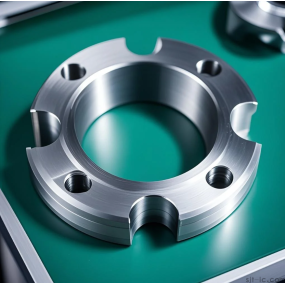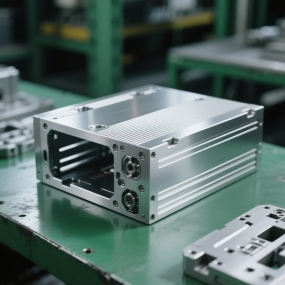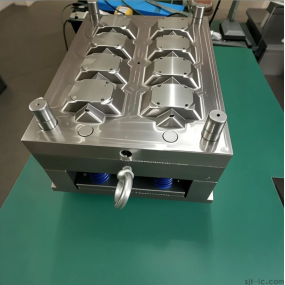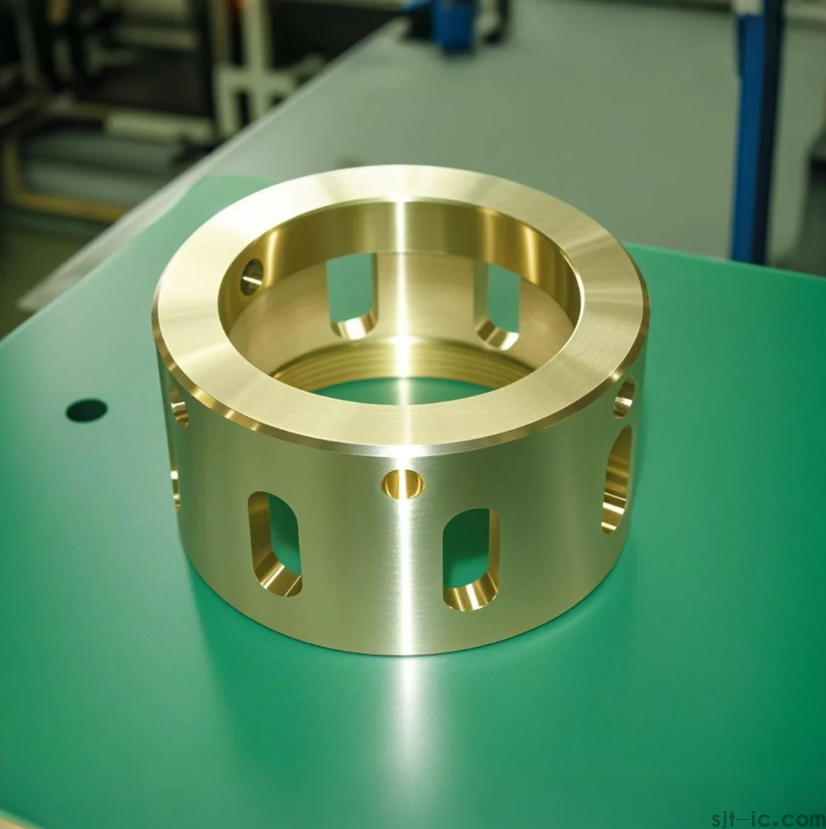
Medical devices and surgical tools must work safely and accurately every time. A small error in size, shape, or surface quality can affect how a medical part performs during a procedure. This is why CNC Machining Medical Parts has become an important manufacturing solution for the medical industry.
CNC machining uses computer-controlled machines to produce medical components with very high accuracy and repeatability. It can create complex shapes, maintain extremely tight tolerances, and support strict medical quality requirements. For companies developing medical devices, choosing the right CNC machining partner is essential to reduce production risks, meet regulatory requirements, and deliver reliable products.
Medical parts often require dimensions that must be controlled within very small limits. Components such as surgical instruments, implants, diagnostic equipment parts, and medical device housings need precise fitting and smooth operation. CNC machining helps manufacturers achieve these requirements through automated and accurate production.
One of the biggest advantages of CNC machining is precision. Advanced CNC equipment can produce parts with extremely tight tolerances, sometimes reaching ±0.01 mm or tighter depending on the material, machine capability, and design requirements. This level of accuracy helps ensure that medical components fit correctly, move properly, and perform safely.
CNC machining also provides excellent repeatability. Once a machining program is verified, the same design can be produced many times with consistent quality. This is especially important for medical production, where every part must meet the same safety standards.
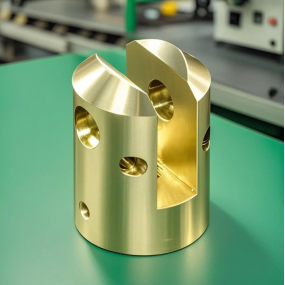
In addition, CNC machining can create complex geometries that are difficult to produce with traditional manufacturing methods. Small channels, precise holes, thin walls, and detailed structures can be manufactured for advanced medical applications.
The manufacturing process begins with careful product design. The design considerations for CNC-machined medical parts must focus not only on function but also on safety, cleaning, and regulatory requirements.
Engineers need to understand the part's role in medical procedures before creating the design. A surgical tool, implant component, or diagnostic equipment part may have different requirements for strength, flexibility, size, and surface quality.
A professional CNC machining supplier such as EMAR works with customers during the design stage to review drawings, manufacturing challenges, and quality requirements. Early design communication helps prevent production problems and reduces unnecessary costs.
Choosing the correct material is one of the most important steps in medical part manufacturing. The biocompatible material selection for medical parts depends on how the component will be used, how long it contacts the body, and what environmental conditions it must withstand.
Titanium is widely used for medical applications because it combines high strength, low weight, and excellent corrosion resistance. It is commonly used for implants, surgical tools, and orthopedic components. Titanium also has good biocompatibility, making it suitable for long-term medical use.
Medical-grade stainless steel is another popular choice because it offers strength, durability, and good resistance to corrosion. It is often used for surgical instruments, precision medical devices, and reusable equipment.
Some medical components require lightweight and chemical-resistant materials. Medical-grade plastics such as PEEK and other approved polymers can provide good performance while meeting specific medical requirements.
The selected material must also support machining performance. Factors such as hardness, thermal properties, and cutting behavior affect tool selection and machining parameters.
Medical parts may require different CNC machining operations depending on their design and application. The main processes include turning, milling, and micro-machining.
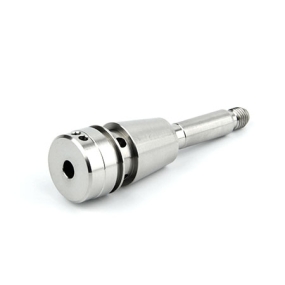
Turning operations in medical part production are commonly used for cylindrical components such as shafts, pins, screws, and precision connectors. During turning, the workpiece rotates while a cutting tool removes material to create accurate external and internal features.
Proper cutting conditions are important for medical-grade materials. Manufacturers must carefully control:
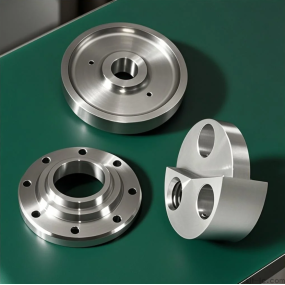
CNC milling is suitable for medical parts with complex shapes, multiple surfaces, and detailed features. Multi-axis CNC milling machines can produce complicated geometries while reducing the need for multiple setups.
High-quality cutting tools, such as carbide end mills and precision drills, are often selected to maintain accuracy and extend tool life. Proper coolant control also helps manage heat during machining, especially when working with titanium and stainless steel.
Many modern medical devices require extremely small components. Micro-machining allows manufacturers to create miniature features with high accuracy, including tiny holes, grooves, and precision structures used in advanced medical equipment.
Medical manufacturing has stricter requirements than many other industries. Manufacturers must solve several challenges during production.
Handling sterility in medical part CNC machining requires careful control of the production environment. Although CNC machining itself does not create a sterile final product, manufacturers must prevent contamination during processing and ensure proper cleaning after machining.
Medical components often require extremely precise dimensions. Temperature changes, tool wear, machine vibration, and material characteristics can affect accuracy. Experienced manufacturers use machine calibration, tool monitoring, and inspection systems to maintain consistent results.
Surface finish is critical for medical parts because rough surfaces may collect contaminants or affect biological performance. CNC machining parameters, tool selection, and finishing methods must be carefully controlled to achieve the required surface quality.
After machining, medical parts often require additional treatments to improve performance and safety.
Quality control in medical part CNC manufacturing is essential because medical products must meet strict safety requirements. A reliable manufacturer should have complete inspection systems and production records.
Important quality control practices include:
Manufacturers with strong quality systems help medical companies reduce risks and maintain confidence in their products. EMAR provides CNC machining services for medical components with attention to precision machining, material control, inspection procedures, and customer-specific requirements.
Selecting a CNC machining supplier is not only about machine capability. Medical companies should consider experience, quality management, engineering support, and production reliability.
CNC Machining Medical Parts requires a combination of advanced equipment, skilled engineers, strict process control, and attention to detail. By working with an experienced manufacturer like EMAR, medical companies can produce accurate, reliable, and high-quality components that support safer healthcare solutions.