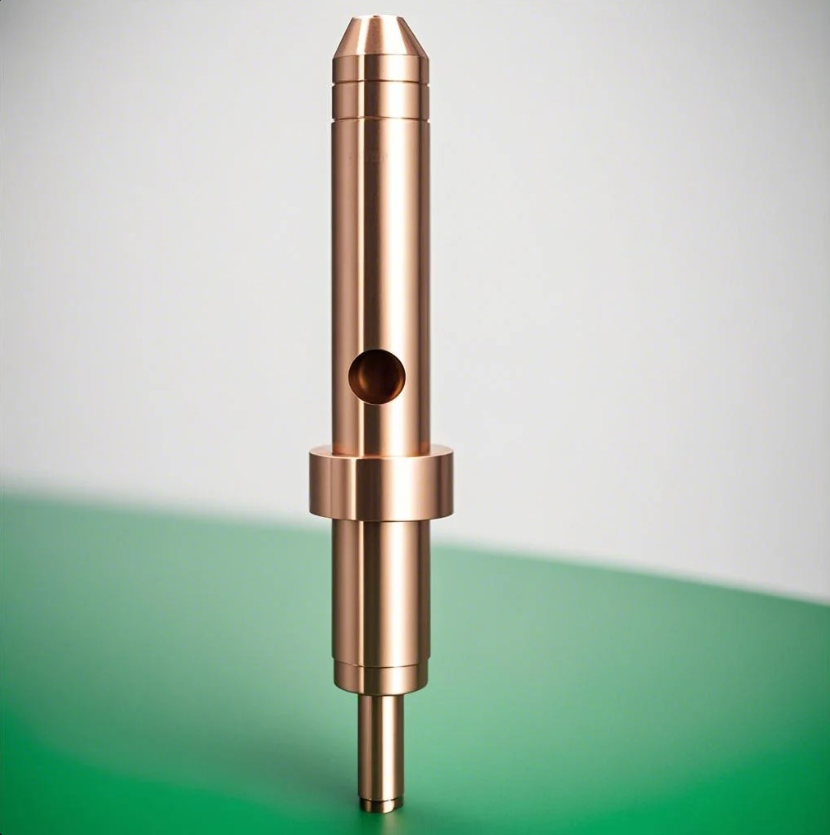
How to CNC Machine Beryllium Copper is a common question for manufacturers who need strong, reliable, and highly conductive metal parts. Beryllium copper is a special copper alloy that offers a unique combination of electrical conductivity, thermal conductivity, mechanical strength, wear resistance, and corrosion resistance. These properties make it valuable for industries such as aerospace, electronics, automotive, medical equipment, and precision tooling.
However, CNC Machining beryllium copper is not the same as machining ordinary copper or aluminum. The material has specific challenges, including work-hardening, chip control, tool wear, and safety concerns. With the right material selection, cutting tools, machining methods, and safety controls, manufacturers can produce accurate and high-quality beryllium copper parts.
Beryllium copper is widely used because it combines the advantages of copper with the strength of an engineering alloy. It is often selected when a part needs both excellent conductivity and mechanical performance.
Because of these properties, beryllium copper is often used for precision springs, electrical contacts, molds, bearings, connectors, and non-sparking tools.
One of the most important steps before machining is choosing the correct alloy grade. Different beryllium copper materials provide different performance characteristics.
The correct material depends on the final application. For example, a high-strength spring component may require C17200, while an electrical connector that needs better conductivity may benefit from C17500.
Proper preparation before cutting improves machining accuracy and reduces production problems. Pre-machining beryllium copper CNC work should include material inspection, handling preparation, and process planning.
Before placing beryllium copper stock into a CNC machine, manufacturers should inspect:
Safety is a critical part of beryllium copper machining. Solid beryllium copper parts are generally safe to handle, but machining processes can create fine dust or particles that may become hazardous if inhaled or ingested.
Safety in beryllium copper CNC machining requires proper controls, including:
Beryllium copper can be processed using common CNC methods, but each operation requires careful parameter control. The main machining operations for beryllium copper include milling, turning, drilling, and grinding.
CNC milling is used to create complex shapes, slots, pockets, holes, and detailed features. It is widely used for precision beryllium copper components.
Recommended tools:
Typical cutting guidelines:
Optimized toolpaths, constant cutting engagement, and proper cooling help prevent work-hardening and improve surface quality.
Turning is used to produce cylindrical parts such as pins, shafts, bushings, and electrical components.
Recommended tools:
Typical machining practices:
Drilling creates holes for assembly, electrical connections, and mechanical fastening. Beryllium copper can produce long chips during drilling, so chip control is important.
Grinding is used when extremely accurate dimensions or smooth surface finishes are required.
Handling work-hardening in beryllium copper CNC is one of the biggest machining challenges. If cutting conditions are incorrect, the surface can become harder, making future cutting more difficult and increasing tool wear.
Common causes include:
Practical solutions include:
Beryllium copper usually produces small, tough chips that can affect surface quality and tool performance if not controlled properly.
To improve chip management:
Water-soluble coolants and high-quality machining lubricants are commonly used because they help control temperature and improve tool life.
Post-machining beryllium copper processes help improve performance, appearance, and reliability. The correct finishing method depends on the final application.
Heat treatment can significantly increase the strength and hardness of beryllium copper. Aging treatments are commonly used after machining to achieve the required mechanical properties.
Surface treatments may include:
Precision inspection ensures that machined parts meet customer requirements. Common quality checks include:
CNC machining beryllium copper requires experience with material behavior, precision machining techniques, and safety management. EMAR provides professional CNC machining services for copper alloys and other difficult-to-machine materials, helping customers achieve accurate parts with consistent quality.
By combining advanced CNC equipment, skilled machining processes, careful material handling, and strict inspection methods, EMAR can support prototypes, small batches, and production runs for industries that require reliable beryllium copper components.
Learning How to CNC Machine Beryllium Copper requires understanding the material's unique properties and challenges. The key factors are selecting the correct alloy, preparing the material properly, choosing suitable carbide tools, controlling cutting parameters, preventing work-hardening, and maintaining safe machining conditions.
With proper planning and professional CNC machining methods, beryllium copper can be transformed into high-precision parts that deliver excellent electrical performance, strength, and long service life.