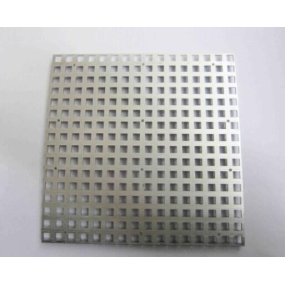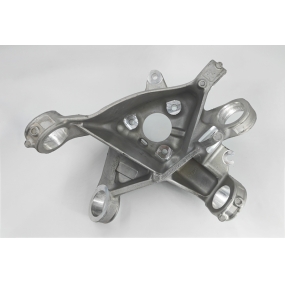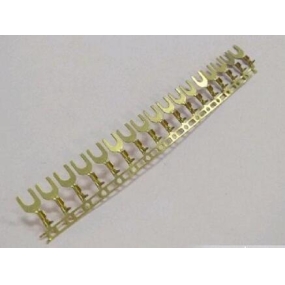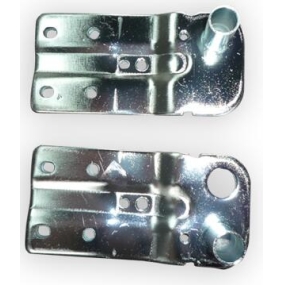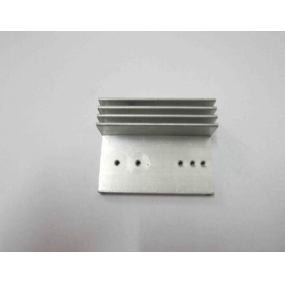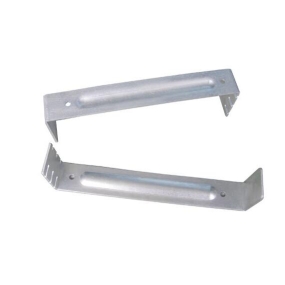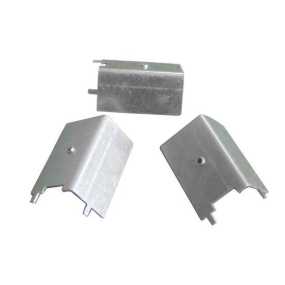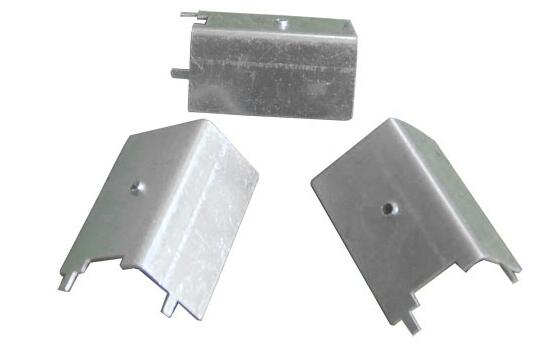
The stamping processing of aluminum alloy radiator is an important manufacturing method used to produce lightweight, efficient, and cost-effective cooling parts for electronics, vehicles, industrial equipment, and power devices. By using stamping technology, manufacturers can create radiator fins, housings, and other complex structures from aluminum alloy sheets with high production efficiency and stable quality.
For companies and engineers who need reliable thermal management solutions, understanding how aluminum alloy radiators are designed and produced helps them choose the right materials, manufacturing methods, and quality standards. This article explains the key steps, from material selection to final inspection, in simple language.
Aluminum alloy is one of the most popular materials for radiator manufacturing because it offers a good balance between heat transfer ability, weight, durability, and production cost. These advantages make it suitable for many applications, including LED lighting, automotive cooling systems, power supplies, and electronic devices.
The main advantages of aluminum alloy in radiator stamping include:
For example, a laptop cooling module needs a radiator that is thin and lightweight, while an automotive battery cooling system needs strong heat removal ability with low added weight. Aluminum alloy can meet both requirements through proper stamping design.
Before stamping begins, careful preparation is necessary to ensure the final radiator has stable performance. Poor material quality or improper preparation can cause cracks, deformation, or weak heat transfer.
The first step in pre-stamping for aluminum alloy radiator production is checking the aluminum alloy sheet. Manufacturers usually inspect:
Selecting the correct aluminum alloy grade is also important. Some alloys provide better strength, while others offer better formability and thermal performance. The choice depends on the radiator application and design requirements.
The aluminum sheet surface should be cleaned before entering the stamping process. Oil, dust, and other contaminants can affect forming quality and later finishing processes.
Common preparation steps include:
Proper preparation improves stamping stability and reduces production waste.
The main purpose of stamping is to transform flat aluminum alloy sheets into useful radiator structures. Through controlled pressure and specially designed dies, manufacturers can create thin fins, mounting areas, and protective housings.
Stamping techniques for aluminum alloy radiator production usually include several important steps.
Radiator fins are designed to increase surface area so heat can escape faster. The stamping die must accurately control the fin height, spacing, and shape.
A well-designed die helps achieve:
For example, a high-power electronic device may require dense fins to remove more heat, while a small consumer product may need a simpler fin structure to save space.
Besides fins, some aluminum alloy radiators include protective covers, mounting brackets, or supporting structures. Stamping can form these shapes quickly while keeping accurate dimensions.
The die design must consider:
Pressure control is a key factor in aluminum alloy stamping. Too much pressure may cause cracks or deformation, while insufficient pressure may result in incomplete forming.
Manufacturers adjust stamping force according to:
Modern stamping equipment allows better control of production conditions, helping achieve consistent radiator quality during large-volume manufacturing.
After stamping, aluminum radiator parts usually need additional processing to improve appearance, safety, and heat transfer efficiency.
The post-stamping treatment of aluminum alloy radiator commonly includes the following steps:
During stamping, small sharp edges or metal burrs may appear around cut areas. Deburring removes these unwanted parts and makes the radiator safer to handle and easier to assemble.
A smooth surface also helps prevent damage to nearby components during installation.
Surface finishing can improve both appearance and thermal performance. Common treatments include cleaning, polishing, oxidation treatment, and protective coatings.
These treatments can help:
For example, an aluminum radiator used outdoors may require stronger surface protection than one installed inside a consumer electronic product.
Reliable quality control is essential because radiator performance directly affects the safety and lifespan of the final equipment. Professional manufacturers check both physical dimensions and thermal performance.
Quality control in aluminum alloy radiator stamping focuses on several areas:
Manufacturers inspect important measurements such as:
Accurate dimensions ensure that the radiator fits correctly with other components during assembly.
A radiator is not only required to look correct; it must also remove heat effectively. Testing may include checking temperature changes, airflow performance, and heat transfer ability under working conditions.
A good radiator should maintain stable cooling performance while operating for long periods.
Final inspections also look for:
These checks help ensure that every radiator meets customer expectations before delivery.
Choosing an experienced stamping partner can make a major difference in radiator quality, production efficiency, and cost control. Professional manufacturers understand how aluminum alloy behaves during stamping and can optimize dies, processes, and inspections according to customer needs.
EMAR provides customized Metal Stamping services for aluminum alloy radiators, helping customers develop radiator components with accurate shapes, reliable structures, and stable heat dissipation performance. With experience in precision stamping, die design, and quality management, EMAR supports different industries that require customized thermal solutions.
When selecting a stamping supplier, customers should consider:
The stamping processing of aluminum alloy radiator combines material advantages, precision manufacturing, and strict quality management. By understanding each step, businesses can select better radiator solutions and achieve reliable heat management for modern equipment.