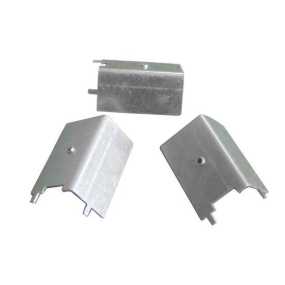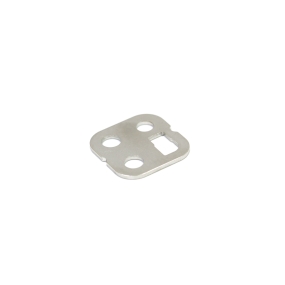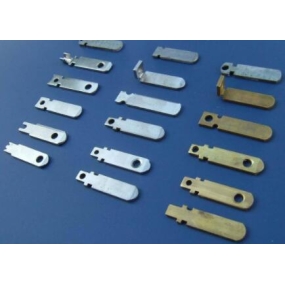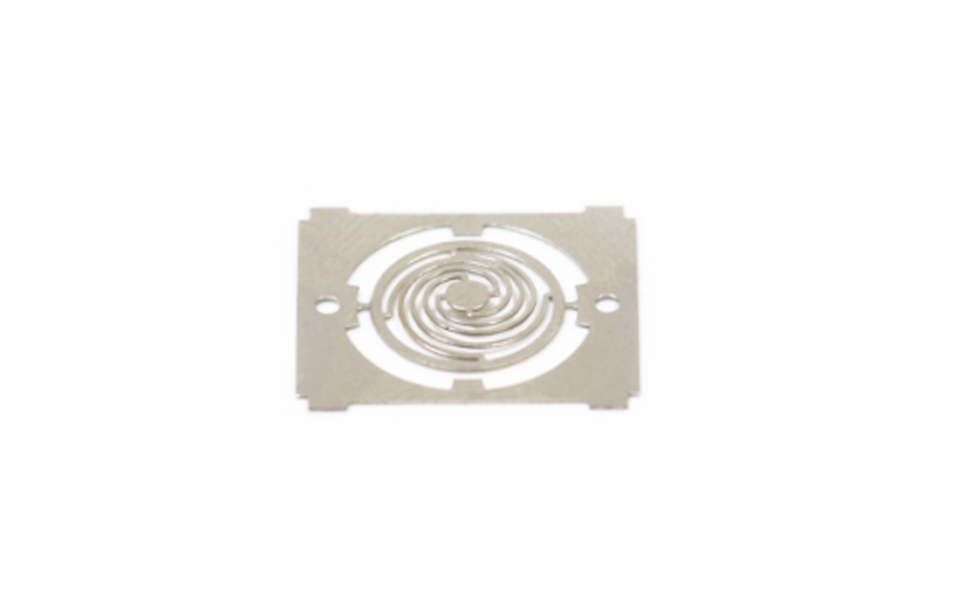
In modern manufacturing, small metal components often play a critical role in product performance. Precision stamping metal shrapnel is one of these important parts. Although it is usually small in size, it can provide reliable force, electrical connection, and mechanical support in many products, from smartphones and computers to automobiles and industrial equipment.
Many engineers and buyers need to understand how these parts are made, which materials are suitable, and how quality is controlled before selecting a supplier. This article explains the key points of precision stamping metal shrapnel, including its functions, manufacturing process, material selection, quality inspection, and real-world applications.
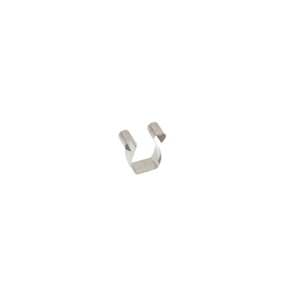
Precision stamping metal shrapnel refers to small spring-like metal components produced through a high-accuracy stamping process. These parts are usually made from thin metal sheets and formed into specific shapes, such as U-shaped, L-shaped, or curved structures.
The special design allows the shrapnel to create elastic force when pressed or installed. This spring action enables it to perform functions such as holding components in place, maintaining pressure, creating electrical contact, or absorbing small movements.
For example, inside a mobile phone, a small metal shrapnel can hold the battery firmly and maintain a stable connection. In an electronic connector, it can provide continuous contact pressure between two conductive parts.
Understanding the basic structure of precision stamping metal shrapnel helps manufacturers and buyers choose the right design for different product requirements.
One of the main functions of precision stamping metal shrapnel is clamping and fixing. The elastic force of the metal part allows it to firmly hold other components without requiring complex fastening structures.
A common example is a battery holder in electronic devices. The shrapnel presses against the battery terminal, keeping the battery stable during movement or vibration. Without enough clamping force, the battery connection may become unstable and cause power interruptions.
In automotive and mechanical equipment, shrapnels can also secure sensors, covers, or small internal parts, helping improve product reliability.
Precision stamping metal shrapnel is also widely used to provide controlled pressure between contacting surfaces. This is especially important in electrical products.
For example, in a connector, the shrapnel pushes against a matching terminal to maintain a stable electrical connection. In computer components, this pressure helps ensure reliable signal transmission between parts such as memory modules and circuit boards.
A properly designed shrapnel can reduce contact failure, improve product lifespan, and maintain stable performance under repeated use.
The manufacturing process of precision stamping metal shrapnel begins with product design. Engineers use CAD software to create detailed drawings that define the shrapnel's shape, size, thickness, and spring performance requirements.
After the design is completed, a stamping die is produced. The die is one of the most important tools in manufacturing because it determines the final shape and accuracy of the metal part.
For complex applications, such as automotive sensors or high-precision electronic connectors, the die must be manufactured with very tight tolerances. Professional die-making includes machining, heat treatment, and surface finishing to ensure long-term stability.
During stamping, metal sheets are placed into a stamping press. The machine applies strong pressure through the die, cutting and forming the material into the required shrapnel shape.
Modern stamping equipment can produce large quantities of parts quickly while maintaining consistent quality. However, production parameters such as stamping speed, pressure, and material feeding accuracy must be carefully controlled.
For example, when producing thousands of electronic connector shrapnels, even a small manufacturing error can affect assembly performance. Therefore, precise process control is essential.
After stamping, some shrapnels require additional treatments. Surface coating, polishing, or plating may be applied to improve corrosion resistance, conductivity, or wear resistance.
For electrical applications, coatings such as nickel or gold plating may help improve contact performance and reduce oxidation problems.
The material selection for precision stamping metal shrapnel directly affects its performance, durability, and application suitability.
The correct material depends on factors such as working environment, required force, temperature conditions, and electrical requirements.
Material thickness is another important factor in shrapnel design. A thicker metal sheet can provide stronger force and higher load capacity, while a thinner sheet allows more flexibility and saves installation space.
For example, a compact wearable device may require a thin shrapnel because internal space is limited. In contrast, automotive components may require thicker materials to withstand vibration and repeated stress.
Choosing the correct thickness helps balance performance, size, and production cost.
The quality control in precision stamping metal shrapnel process is essential because small size differences can affect the final product.
Manufacturers use tools such as micrometers, calipers, and coordinate measuring machines (CMM) to check important dimensions, including length, width, thickness, and shape accuracy.
For example, if a connector shrapnel is slightly too large or too small, it may fail to create the correct contact pressure. Accurate measurement helps prevent assembly problems.
Mechanical testing ensures that the shrapnel can work reliably under real conditions. Common tests include:
These tests are especially important for automotive and industrial applications where parts may experience thousands or millions of operating cycles.
The applications of precision stamping metal shrapnel are extensive in the electronics industry. These components are found in connectors, switches, battery holders, and circuit assemblies.
For example, USB connectors use metal contact components to maintain electrical connections. Laptops and mobile devices use shrapnels to secure batteries and provide stable power transmission.
Because electronic products require small size and high reliability, precision stamping technology is especially important.
Automotive manufacturers also rely on precision stamping metal shrapnel for many systems, including sensors, electrical modules, and interior mechanisms.
For example, shrapnels can help secure sensor components or provide spring force in electrical systems. In vehicle interiors, they may support mechanisms that require repeated movement and reliable positioning.
High-quality shrapnels help improve vehicle safety, durability, and overall performance.
Beyond electronics and automobiles, precision stamping metal shrapnel is used in medical devices, communication equipment, household appliances, and industrial machines.
Whenever a product needs reliable spring force, compact structure, or stable contact performance, precision metal shrapnel can provide an effective solution.
Producing reliable precision stamping metal shrapnel requires experience in design, tooling, material selection, stamping technology, and inspection processes. EMAR has developed professional manufacturing capabilities in precision Metal Stamping and supports customers with customized shrapnel solutions.
With knowledge of different industries, EMAR can help design and manufacture shrapnels that meet specific requirements, including shape accuracy, spring performance, material needs, and production volume.
EMAR focuses on quality throughout the entire manufacturing process. From selecting suitable materials to inspecting finished products, strict control methods help ensure consistent performance.
Advanced measurement and testing procedures are used to verify dimensions, mechanical properties, and product reliability. This quality-focused approach allows EMAR to provide precision stamping metal shrapnel products suitable for demanding applications in electronics, automotive, and industrial fields.
Precision stamping metal shrapnel may be a small component, but its role in modern products is extremely important. It provides essential functions such as fixing parts, maintaining pressure, and creating reliable electrical connections.
Understanding the manufacturing process, material selection, and quality control methods helps companies choose better solutions for their products. With professional manufacturing experience and strict quality management, suppliers like EMAR can deliver high-quality precision stamping metal shrapnel that supports reliable and long-lasting products.