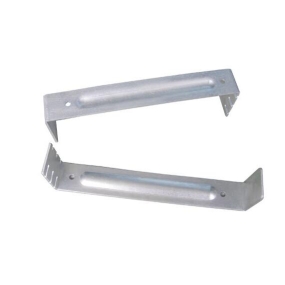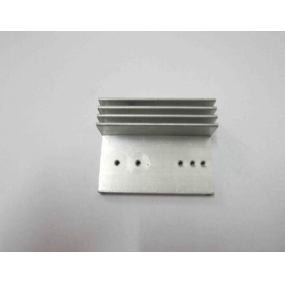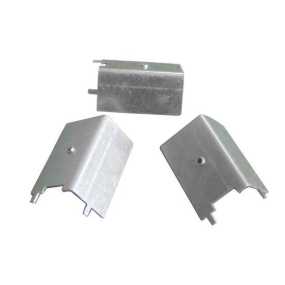
Reliable electrical connections are important in many products, including automobiles, home appliances, electronic devices, industrial equipment, and communication systems. One key component that makes these connections possible is the metal terminal. Precision terminal metal stamping for connecting wires is a manufacturing process used to produce accurate, strong, and durable terminals that connect wires safely and efficiently.
This process uses advanced stamping equipment to shape metal sheets into terminal parts with precise sizes and stable performance. By selecting the right materials, controlling stamping steps, and applying strict inspections, manufacturers can create terminals that provide excellent electrical conductivity and long service life.
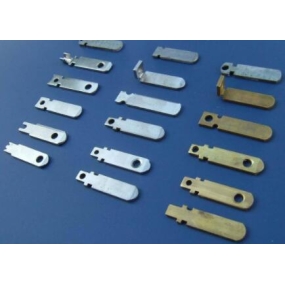
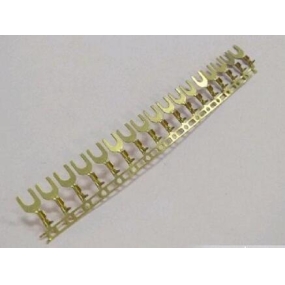
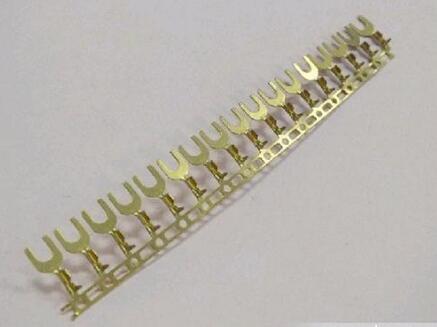
Precision terminal metal stamping for connecting wires is a process that uses special stamping dies and high-accuracy machines to cut and shape metal sheets into wire connection terminals. These terminals are designed to hold wires firmly and allow electrical current to pass through with low resistance.
Unlike simple metal cutting, precision stamping can create complex terminal shapes in large quantities while maintaining consistent quality. It is widely used for connectors in vehicles, batteries, circuit boards, power systems, and electronic products.
For example, a car contains many wire connection points. Each terminal must fit correctly, maintain good contact, and resist vibration. Precision stamping helps manufacturers produce thousands of identical terminals that meet these requirements.
The choice of metal directly affects terminal performance. Material selection in precision terminal stamping for connecting wires focuses on finding metals that provide good electrical conductivity, mechanical strength, corrosion resistance, and processing performance.
Copper alloys are the most common materials used for electrical terminals because copper has excellent electrical conductivity. However, pure copper can sometimes be too soft for applications that require strong mechanical performance. Adding small amounts of other elements creates copper alloys with better strength and durability.
Many terminals receive surface coatings after stamping. Materials such as tin, nickel, or gold plating can improve corrosion resistance, reduce contact resistance, and increase connection reliability.
For example, terminals used in outdoor equipment may require stronger protection against moisture and oxidation, while electronic connectors may need gold plating for stable signal transmission.
The manufacturing process requires careful control at every stage. Stamping processes for precision terminal metal stamping for connecting wires usually include blanking, piercing, forming, and final inspection.
Metal sheets or strips are selected according to the terminal design. The material thickness must meet the product requirements to ensure strength and flexibility.
The stamping machine cuts the metal strip into the basic terminal shape. Accurate blanking ensures the following processes can be completed correctly.
Small holes, slots, or openings are created in the terminal. These features allow the terminal to connect with housings, locking parts, or other components.
The metal piece is shaped into its final three-dimensional structure. Bending angles and contact shapes must be controlled carefully to ensure proper wire connection.
After stamping, terminals may receive surface treatment, cleaning, and additional processing before assembly.
Modern precision stamping machines can produce complex terminals quickly while maintaining tight dimensional control. This makes the process suitable for both small electronic connectors and large automotive production projects.
Good terminal design improves connection safety and product performance. Design considerations in precision terminal metal stamping for connecting wires include contact area, terminal shape, material thickness, and wire holding ability.
The contact area between the terminal and the wire or connector must be large enough to provide stable electrical flow. A poor contact design may increase electrical resistance and create heat during operation.
Engineers usually optimize the contact surface to achieve a balance between conductivity and mechanical strength.
A terminal should hold the wire firmly even when exposed to vibration or movement. Common designs include crimping sections that grip the wire tightly without damaging the conductor.
The terminal shape must match the connector housing and other components. Even a small size difference can cause loose connections or assembly problems.
For example, terminals used in automotive wiring systems must maintain precise dimensions because vehicles experience vibration, temperature changes, and long operating periods.
High-quality terminals require strict testing during production. Quality control in precision terminal metal stamping for connecting wires ensures that every component meets electrical and mechanical requirements.
Manufacturers measure terminal length, width, thickness, hole position, and bending angles to confirm accuracy.
Testing checks whether the terminal allows current to pass efficiently and maintains low electrical resistance.
Pull tests and mechanical checks verify that wires remain securely attached after connection.
Surface defects, scratches, deformation, or coating problems are checked to prevent failures in final products.
Professional manufacturers use inspection tools and production monitoring systems to reduce defects and maintain stable quality during high-volume production.
Manufacturers need to balance quality and production cost. Cost-efficient precision terminal metal stamping for connecting wires helps companies reduce waste, improve production speed, and achieve reliable results.
Working with an experienced stamping supplier can also help companies improve product design, select suitable materials, and avoid unnecessary manufacturing expenses.
When selecting a supplier for wire connection terminals, companies should consider several important factors:
EMAR provides professional precision metal stamping solutions for electrical connection components. With experience in terminal manufacturing, precision tooling, and quality management, EMAR helps customers develop reliable terminals for different applications, from consumer electronics to industrial equipment.
By combining suitable materials, accurate stamping technology, and strict quality control, EMAR's precision terminal metal stamping services for connecting wires help customers achieve stable electrical connections and efficient production.
Precision terminal metal stamping for connecting wires plays an important role in modern electrical systems. Choosing the correct copper alloy, applying accurate stamping processes, designing reliable connection structures, and performing careful quality inspections are all necessary for producing high-performance terminals.
Whether used in vehicles, electronic devices, or industrial machines, well-made stamped terminals improve safety, durability, and electrical performance. With professional manufacturing support, companies can achieve reliable connections while controlling production costs and improving product quality.